Protecting Your Investment: Cybersecurity and Data Security for Warehouse Robotic Fleets

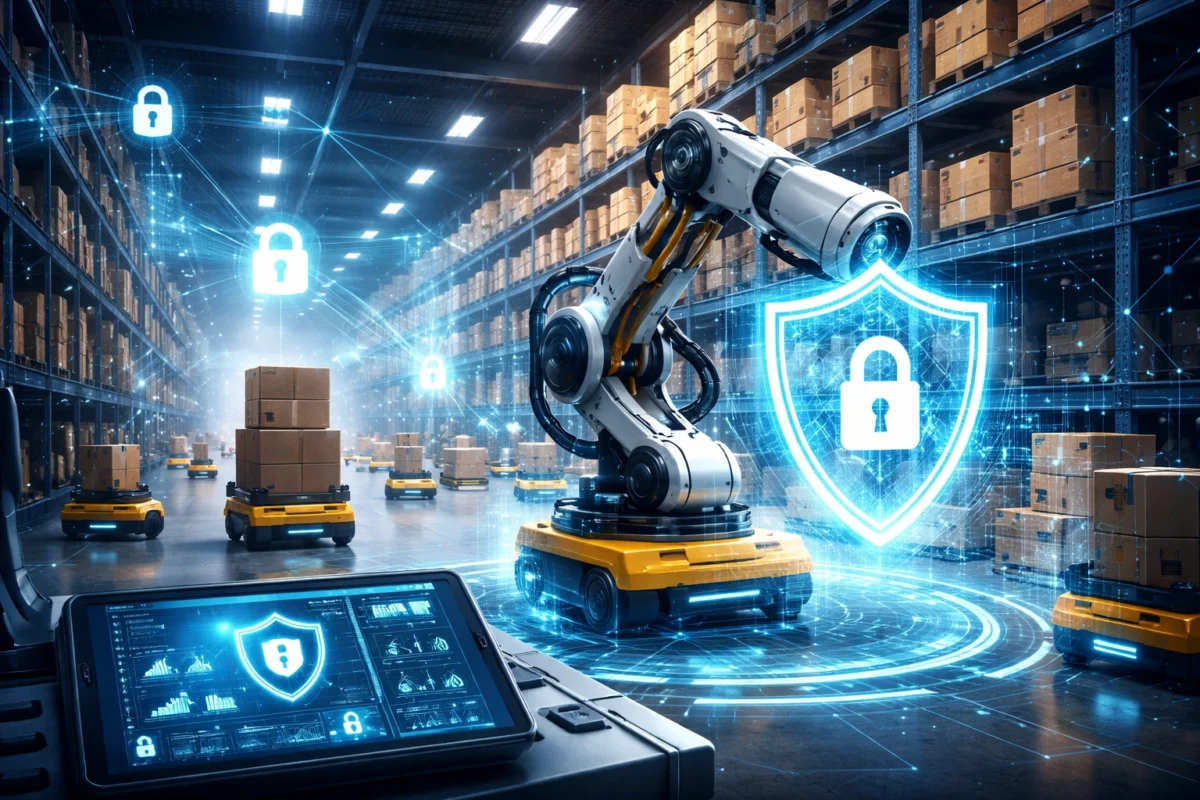
Warehouse robotics has evolved incredibly fast. We’ve gone from manual labor to fleets of robots that can pick, scan, and sort inventory entirely on their own. But while that constant connectivity is great for efficiency, it also opens a new door for risk. Because these robots rely so heavily on seamless data flows and network access, any vulnerability in the software can bring the whole operation to a halt. At this point, cybersecurity isn’t just a technical ‘extra’, it’s the foundation of a safe automation strategy.
Why Robotic Fleets Attract Cyber Threats
Robotic fleets control physical processes. They move goods, guide inventory, and interact with workers. This makes them high-value targets. A cyberattack on a warehouse robot does not just affect data. It can stop operations, damage inventory, or create safety hazards. Attackers understand this leverage. The more autonomous a fleet becomes, the more important security becomes.
The Hidden Risks Inside Connected Warehouses
Many warehouse robots operate on always-on networks. They communicate with fleet managers, cloud platforms, and warehouse management systems. If these connections are not properly protected, attackers can exploit them. Weak authentication, outdated firmware, and unsecured APIs create silent entry points. These risks often go unnoticed because robots are seen as machines, not digital systems. In reality, they are both.
Why Data Security Matters as Much as Robot Safety
Robots generate and consume large volumes of data. They track movement, inventory locations, system health, and operational timing. This data is sensitive. It reveals how a warehouse functions and where its weaknesses lie.
If compromised, it can be used to disrupt operations or gain competitive insight. Strong warehouse data security protects not only information but also decision-making. Without trusted data, automation loses its value.
Network Design as a Security Foundation
Secure robotic fleets start with network design. Robots should not share open networks with office systems or public access points. Separating operational networks from business networks limits exposure. If one system is breached, then the damage stays contained. This separation is especially important in large facilities where hundreds of robots operate simultaneously. Network design becomes the first line of defense.
Securing Robot Communication Channels
Modern robots rely on constant communication. They exchange commands, status updates, and sensor data in real time. If these messages are intercepted or altered, robot behavior can be manipulated. Secure communication ensures that robots only respond to trusted instructions. Encryption and authentication protect these channels. This prevents attackers from injecting false commands or stealing operational data.
Also See: Fixed Automation vs. Flexible Warehouse Robotics: Which Automation Is Right for You?
Identity Control Inside Robotic Fleets
Every robot needs a digital identity. Without it, systems will not be able to verify who is allowed to communicate or make changes. Shared credentials weaken security and make incidents harder to trace. Individual identities allow precise access control and fast isolation when problems arise. This approach treats robots like critical users within the system.
Firmware Updates and Long-Term Security
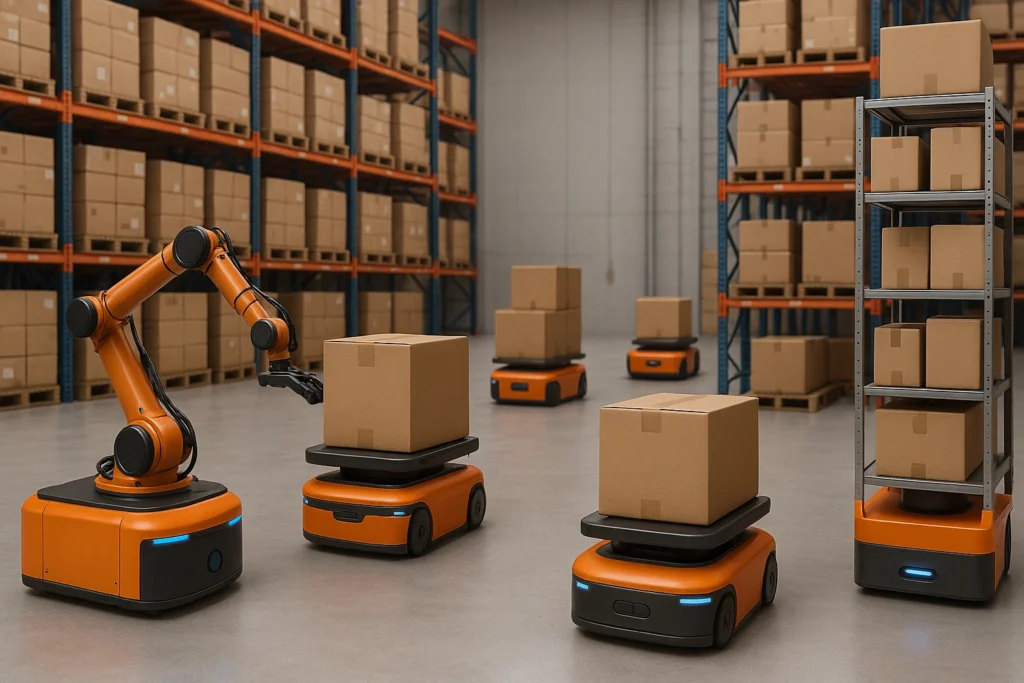
Robots depend on software updates to stay reliable and safe. These updates fix vulnerabilities and improve performance. However, unsecured update processes can be exploited and if attackers compromise the update path, they gain deep control over the system.
Secure update mechanisms ensure that only verified software is installed and this protects robots throughout their operational life.
When Cybersecurity Becomes a Safety Issue
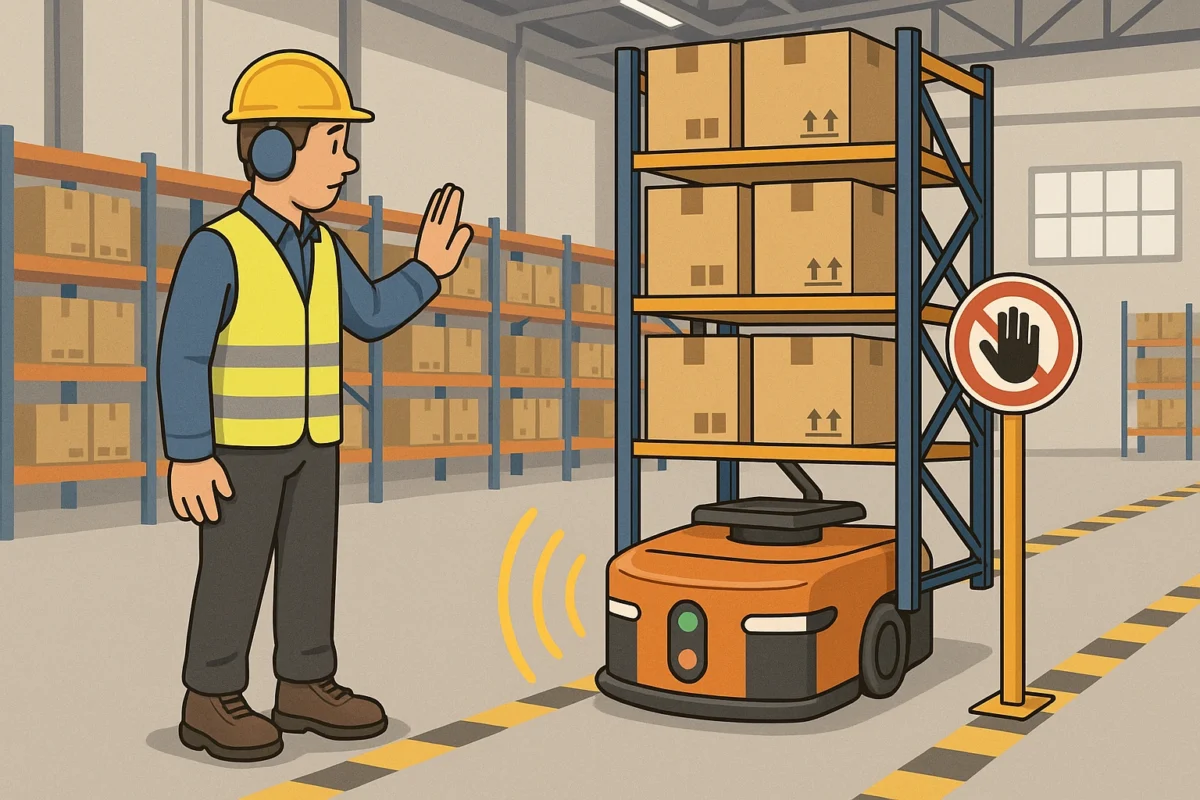
Cybersecurity failures can lead to physical consequences. A compromised robot may move unpredictably or ignore safety boundaries. This creates risks for workers and infrastructure. In automated warehouses, digital security and physical safety are tightly linked. Protecting systems from cyber threats also protects people on the warehouse floor.
Continuous Monitoring and Threat Detection
Security cannot rely on prevention alone. Robotic fleets must be monitored continuously. Abnormal behavior, unexpected commands, or unusual network activity can signal an attack. Early detection allows fast response. This minimizes downtime and prevents cascading failures across the fleet. Visibility is essential in highly automated environments.
Preparing for Incidents Before They Happen
Even strong defenses cannot guarantee zero incidents. What matters is response. Warehouses need clear procedures for isolating robots, shutting down systems safely, and restoring operations. These plans reduce confusion during high-pressure situations. Prepared teams recover faster and limit financial impact. Incident planning turns risk into manageable events.
Compliance and Trust in Automation Security
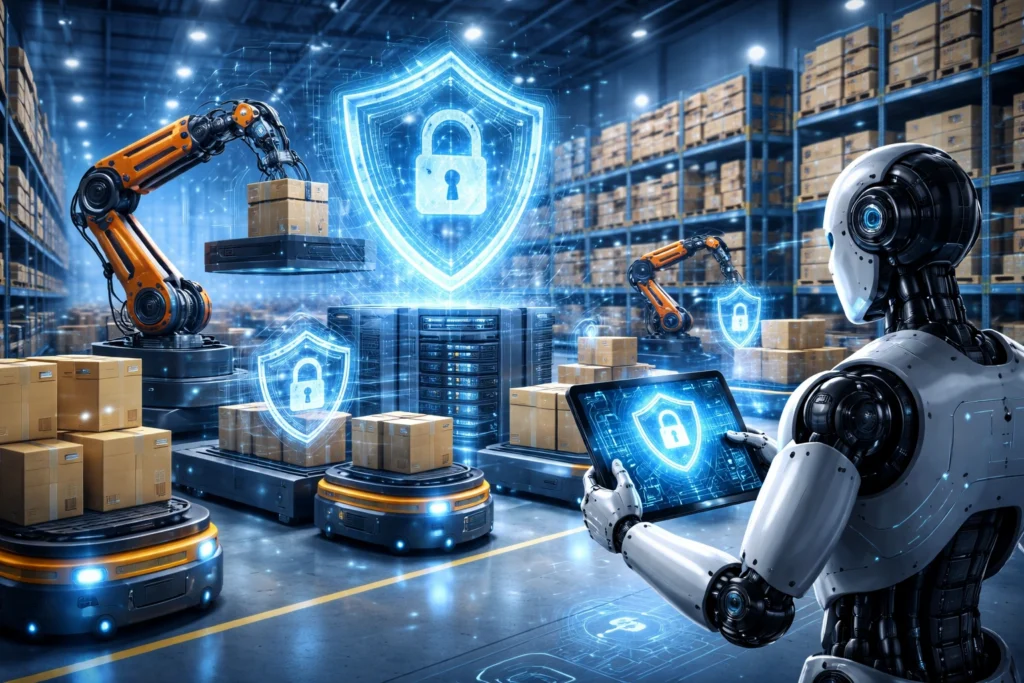
As automation expands, security standards are becoming stricter. Regulatory frameworks increasingly cover operational technology. Aligning robotic security with recognized standards improves resilience. It also builds trust with
- Partners
- Insurers
- Regulators
Compliance is no longer just about audits. It is about proving that automation is responsibly managed.
Conclusion
Warehouse robotics transforms operations, but it also changes risk profiles. Connected robots require the same level of protection as critical infrastructure. Cybersecurity and data security are essential for protecting robotic fleets, maintaining safety, and preserving long-term value.
Secure automation is not optional. It is the foundation of sustainable warehouse innovation.
FAQ: Cybersecurity for Warehouse Robotics
Why is cybersecurity critical for warehouse robotic fleets?
A cyber breach can stop workflows, damage inventory, or create safety risks. Protecting these systems ensures uptime, safety, and operational continuity.
What types of data do warehouse robots need to protect?
Robots handle navigation data, inventory locations, system health information, and operational timing. If this data is exposed or altered, it can disrupt decisions and compromise the entire automation process.
Can cyberattacks cause physical damage in warehouses?
Yes. If a robot’s commands or sensor data are manipulated, it may behave unpredictably. This can lead to collisions, damaged goods, or unsafe conditions for workers on the floor.
How often should robotic fleet software be updated?
Updates should be applied regularly and through secure channels. Timely updates close known vulnerabilities and keep robotic systems resilient against emerging threats.
Does cybersecurity affect the return on investment of warehouse robots?
Absolutely. Strong security reduces downtime, prevents costly disruptions, and extends the lifespan of robotic systems. It protects both the financial and operational value of automation investments.