How Robots are Changing Warehouse Operations: An Insight

Introduction

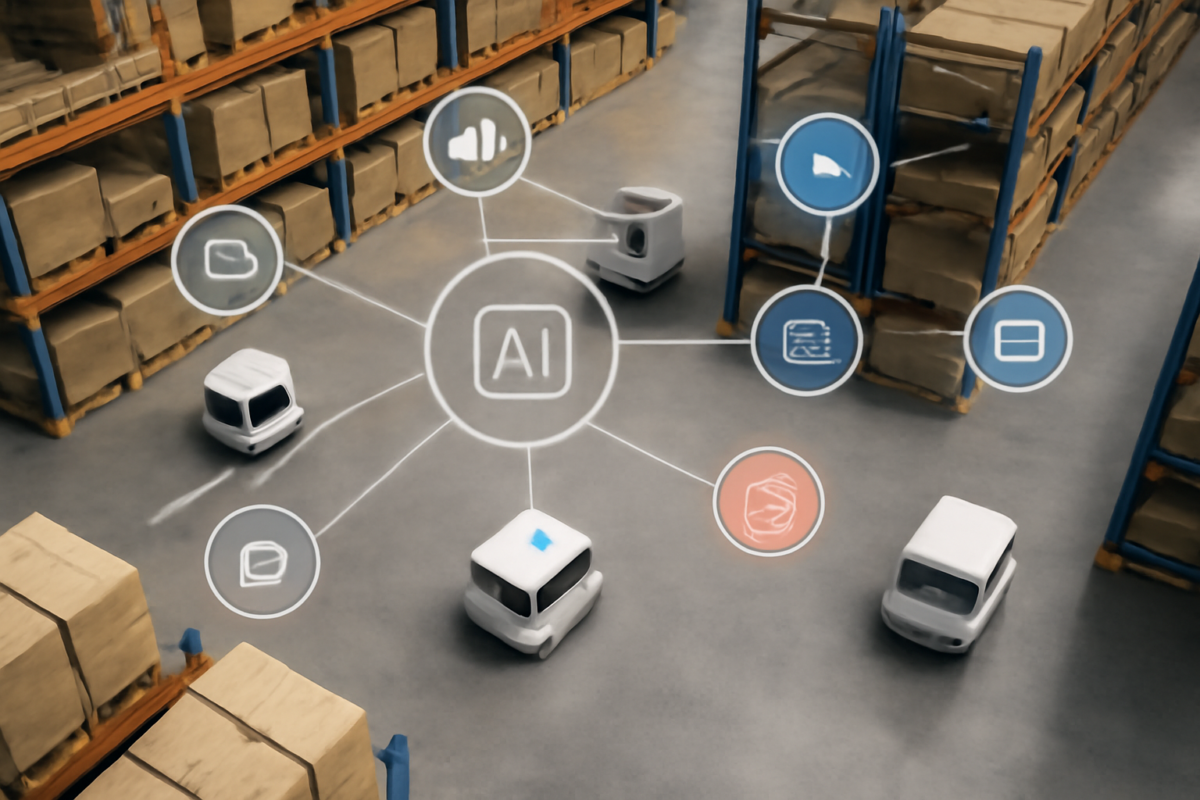
The logistics and warehousing industry is undergoing a profound transformation, largely due to the integration of robots in warehouses. From inventory management to order fulfillment, warehouse robotics technology is streamlining operations, increasing efficiency, and reducing costs. Robots are no longer just a futuristic concept; they are actively shaping the way warehouses operate.

In this blog, we will explore how warehouse robots are changing warehouse operations, the technology behind robotic warehouse systems, and the broader impact on the supply chain. Whether you are a business owner, logistics professional, or someone interested in the future of warehouse automation, this guide will provide you with valuable insights into the role of robots in warehouses.


What is Warehouse Robotics Technology?

1. Defining Warehouse Robotics Technology

Warehouse robotics technology refers to the use of robots, artificial intelligence (AI), machine learning, and automation systems to carry out tasks traditionally done by human workers in a warehouse. These tasks can include inventory management, picking, packing, sorting, and transporting goods. The primary advantage of using robotics in warehouses is that these systems can work autonomously, at a faster pace, and with higher precision than human workers.

These technologies work in tandem with other warehouse systems (like conveyor belts, AI-driven software, and autonomous mobile robots (AMRs)) to create a more efficient and seamless operation. As a result, businesses are able to scale their operations, reduce labor costs, and improve order fulfillment speed.

Benefits:

  • Higher efficiency with minimal human intervention.
  • Faster processing and order fulfillment.
  • Cost reduction through automation.

How Robots Are Changing Warehouse Operations

2. The Role of Robots in Warehouses

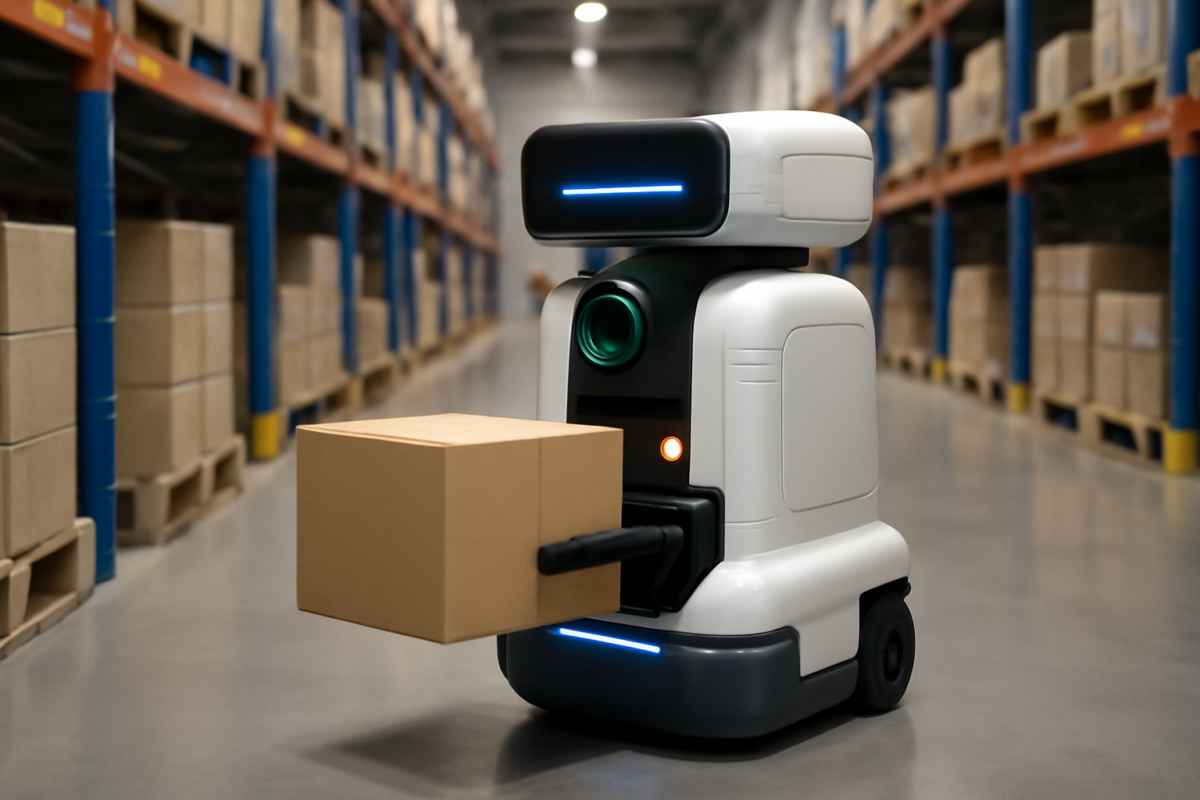
Robots in warehouses perform a wide range of functions that would otherwise require significant manual labor. They are not just limited to carrying out basic tasks; modern warehouse robots can handle complex processes, like inventory tracking, dynamic sorting, and automated picking.

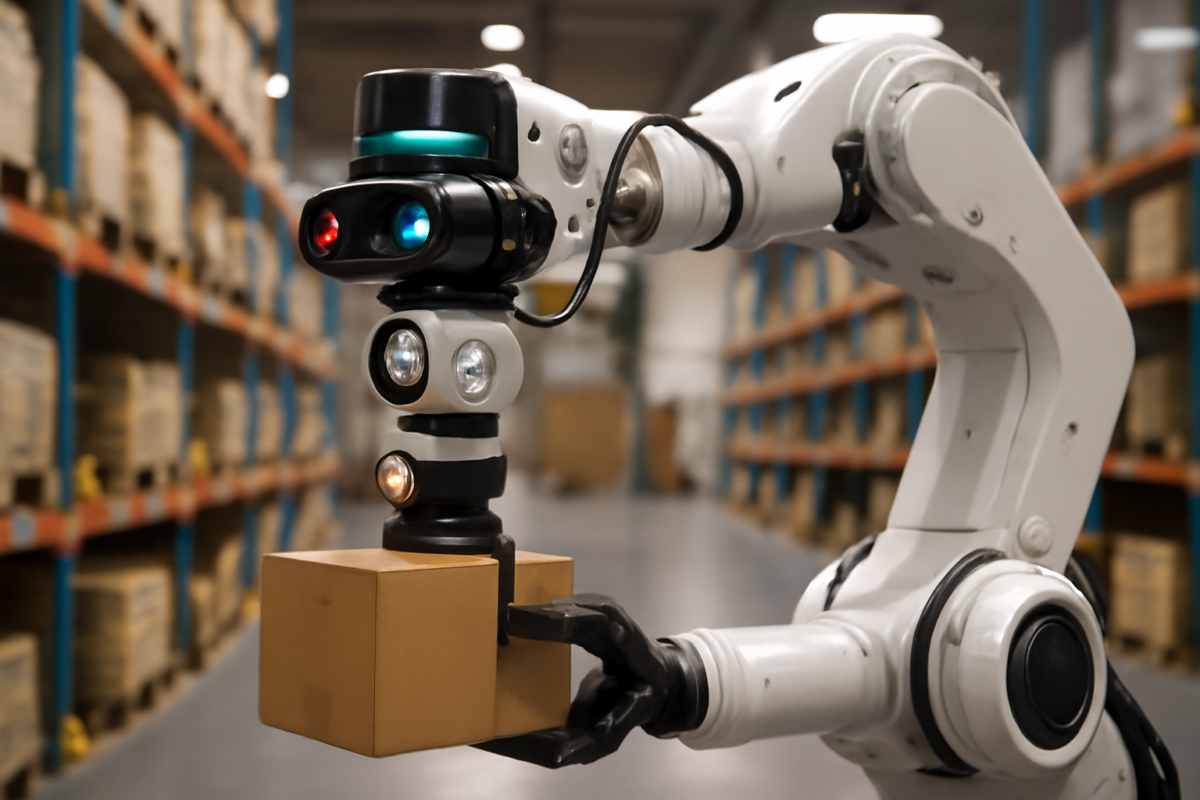
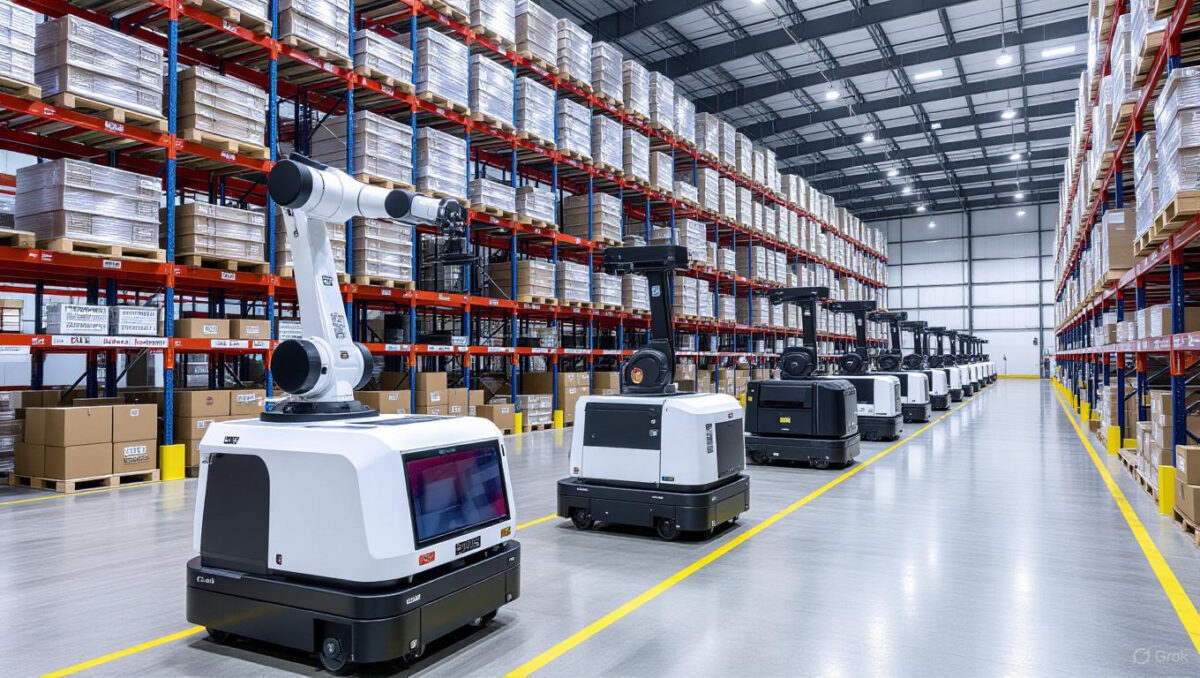
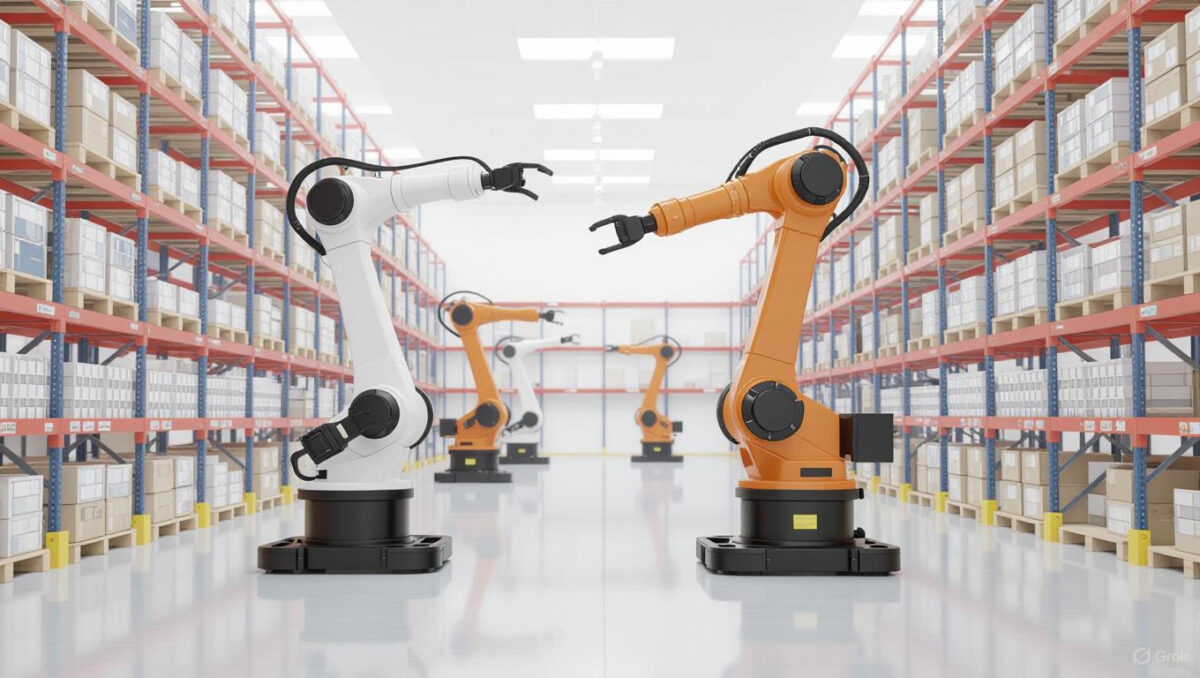
Warehouse robots use sensors and cameras to navigate the warehouse, ensuring that products are picked, sorted, and transported without human assistance. Some of the most commonly used robots include autonomous mobile robots (AMRs), robotic arms, and automated guided vehicles (AGVs). These robots work together to create a fully integrated system that moves goods around the warehouse, increasing the overall speed and accuracy of warehouse operations.

Benefits:

  • Increased speed in picking and transporting goods.
  • Improved precision and accuracy in inventory management.
  • 24/7 operation without downtime.

3. Robotic Warehouse Automation: Streamlining Operations

Robotic warehouse automation refers to the use of robotics systems to automate tasks traditionally performed by human workers in warehouses. These tasks can include everything from picking and sorting to packaging and shipping.

The most significant advantage of warehouse robotics automation is that it reduces reliance on human labor for repetitive tasks, which often leads to inefficiencies, errors, and higher costs. By automating these tasks, robotic systems not only enhance efficiency but also reduce human error, resulting in faster and more accurate order fulfillment.

For example, robotic arms can sort products by type, size, and weight, while autonomous robots can transport those products to the correct location for packing or shipment. The seamless integration of these systems leads to faster fulfillment cycles and improved throughput.

Benefits:

  • Enhanced accuracy in inventory management and order picking.
  • Reduced labor costs and lower dependency on manual work.
  • Optimized workflows for smoother warehouse operations.

How Robots Are Enhancing the Warehouse Supply Chain

4. Robots Warehouse: Improving Supply Chain Efficiency

Robots warehouse are transforming the supply chain by enhancing inventory management and order fulfillment. As the backbone of warehouse operations, robots are now playing a critical role in how goods move through the entire supply chain. By automating material handling, sorting, and packaging, robots help streamline the supply chain, making it faster and more efficient.

For instance, AMRs can autonomously transport products to different parts of the warehouse, while robotic arms handle more complex tasks like sorting and packaging. These robots ensure that products are handled efficiently, reducing delays and increasing throughput.

Furthermore, the use of robots improves supply chain visibility. With real-time tracking and data integration, warehouse robots ensure that managers have accurate information about inventory levels, product movement, and order statuses, which allows for better decision-making and improved forecasting.

Benefits:

  • Faster shipping and delivery times.
  • Improved supply chain transparency with real-time data.
  • Better resource allocation through optimized processes.

5. Robotics in Warehouse Management

Robotics in warehouse management involves the integration of automated systems to optimize the entire warehouse operation, from receiving goods to final delivery. With robots in warehouses, businesses can track products more efficiently, reduce inventory errors, and even predict demand patterns with the help of AI-driven analytics.

Warehouse robots are integrated with warehouse management systems (WMS) to provide real-time data about inventory, product locations, and even product movement within the warehouse. This integration allows for better decision-making and ensures that the warehouse operates as efficiently as possible.

Benefits:

  • Streamlined warehouse management through automation.
  • Real-time data tracking and improved inventory visibility.
  • Smarter decision-making using AI and robotics.

The Future of Robotics Warehouse Technology

6. The Future of Robotic Warehouse Systems

As robotics warehouse technology continues to advance, we can expect more autonomous systems that are smarter, faster, and more adaptable to changing warehouse environments. The future of robots in warehouses will involve collaborative robots (cobots) working alongside human workers, enhancing the overall warehouse operation.

Future innovations in warehouse robotics will also include AI-powered robots, machine learning, and advanced sensors that allow robots to handle even more complex tasks. For example, robots might be able to predict inventory needs, autonomously place items in storage, or even self-maintain with predictive maintenance technologies.

Benefits:

  • Continued growth in robotic automation.
  • Smarter robots that learn and adapt to warehouse environments.
  • Increased efficiency through innovations in AI and robotics.

Conclusion

The integration of robots in warehouses is fundamentally changing the way logistics and supply chain operations are managed. From inventory tracking to order fulfillment, warehouse robotics technology is enabling faster, more efficient, and cost-effective warehouse operations. Robotic warehouse systems are not only improving the speed and accuracy of tasks but also allowing businesses to scale their operations and improve their supply chain performance.

As robotic warehouse automation continues to advance, the warehouse robotics market will only grow, offering businesses new opportunities to innovate and remain competitive in the fast-paced world of logistics. The future of robots in warehouses is bright, and it will continue to shape the future of warehousing and supply chain management.


Start Integrating Robotic Warehouse Systems Today

Interested in learning how robotic warehouse systems can improve your warehouse operations? Subscribe to our newsletter for the latest insights on warehouse robotics, automation technology, and the future of logistics robotics. Or download our free guide to start integrating robotic systems into your warehouse today!

Collaborative Robots: The Key to Unlocking Peak Warehouse Efficiency

With the booming growth of eCommerce and increasingly complex supply chains, companies are desperately seeking smarter ways to boost their speed, safety, and accuracy. The answer? Collaborative robots, or cobots. 

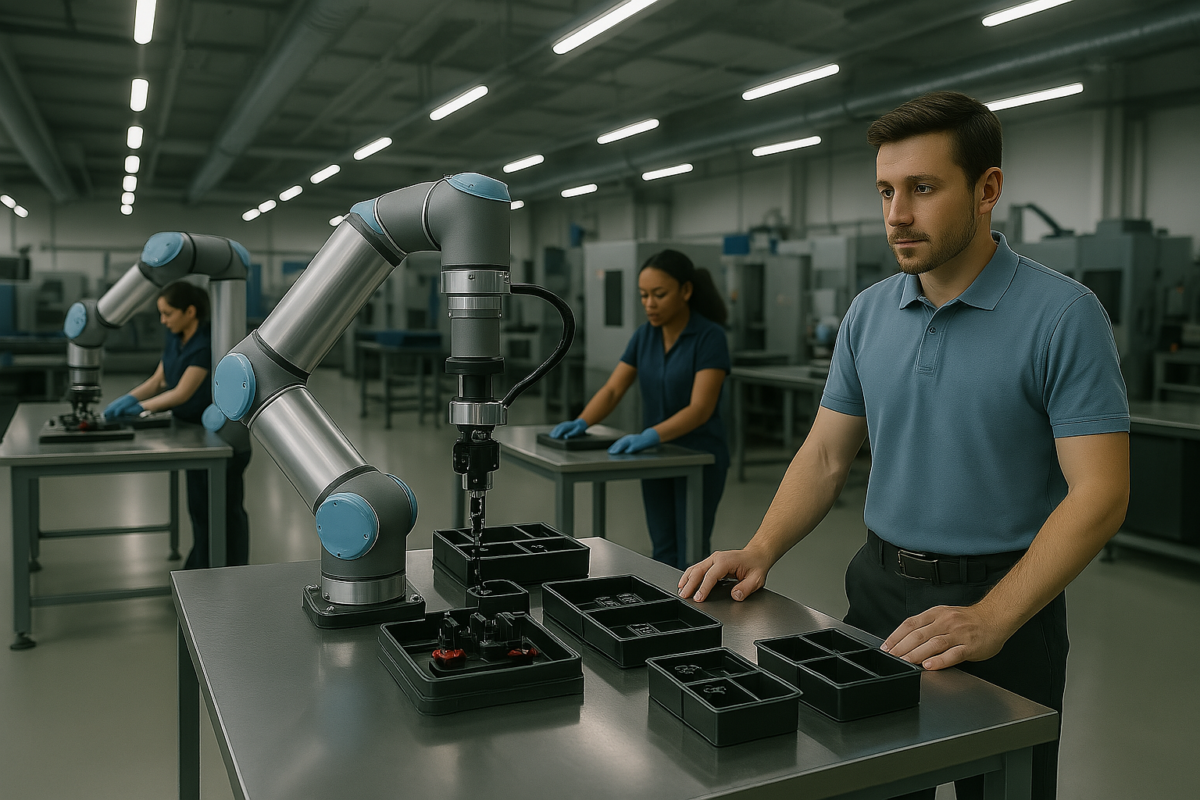
Forget the old industrial robots stuck behind cages. Cobots are specifically designed to work side-by-side with human teams. They bring shared intelligence, flexibility, and pinpoint precision to the floor, significantly boosting warehouse efficiency. They are the essential link combining human adaptability with robotic consistency and are creating the hybrid workflows that now define automated warehouse operations.

In this article, let’s explore how cobots are reshaping the logistics industry, why they’re the secret to operational excellence, and how they’re setting the standard for next-generation robotic picking systems.

What Are Collaborative Robots?

Collaborative Robots or cobots are robots engineered to collaborate with human workers in shared workspaces. They’re smaller, safer, and more adaptable than traditional industrial robots.

Equipped with advanced sensors, cameras, and AI software, cobots can detect obstacles, interpret gestures, and adjust their movements in real time. As a result, this makes them ideal for dynamic environments like warehouses, where flexibility and human coordination are key.

Unlike large fixed robots that require safety cages, cobots operate safely alongside people helping pick, pack, move, and sort items with precision.

In short, cobots don’t replace workers; they improve human capability.

The Science of Collaboration: How Cobots Boost Efficiency

In warehouse environments, efficiency depends on three key variables which are speed, accuracy, and safety. Cobots elevate all three simultaneously through intelligent design and data-driven interaction.

1. Seamless Human-Robot Partnership

Cobots are equipped with force and proximity sensors that allow them to recognize human presence. When a person approaches, they automatically slow down or pause ensuring safe collaboration.

This synergy enables shared tasks like:

  • Handing over items for packing or inspection
  • Coordinating picking and sorting sequences
  • Automating repetitive lifting or stacking operations

Humans handle complex decision-making, while cobots manage precision and endurance-heavy tasks. The result is faster throughput with fewer errors and injuries.

2. Real-Time Adaptability

Traditional automation follows rigid programming. Cobots, however, can learn from data and adapt to changing workflows. Using machine vision and AI-based motion control, they respond to real-time warehouse conditions such as fluctuating demand or new item placements.

This adaptability makes cobots invaluable in dynamic fulfillment centers, where inventory layout and demand shift daily.

3. Consistency Without Burnout

While human performance fluctuates with fatigue, cobots maintain 24/7 operational precision. They don’t tire, lose focus, or skip steps. Over time, they ensure consistent cycle times and product handling accuracy which is critical for warehouse efficiency in high-volume operations.

Also See: Exploring Robotic Grasping Techniques for Optimal Inventory Handling

Cobots vs. Traditional Robots: A New Paradigm in Warehousing

FeatureTraditional RobotsCollaborative Robots (Cobots)
Work EnvironmentIsolated from humansShares workspace with humans
FlexibilityFixed tasks and layoutsAdaptable to multiple workflows
SafetyRequires cages and barriersSafe with built-in sensors
ProgrammingComplex codingIntuitive or AI-driven learning
Setup CostHigh (custom infrastructure)Lower, faster deployment
Ideal Use CaseMass manufacturingDynamic warehouses and fulfillment

Cobots represent the shift from rigid automation to collaborative intelligence where machines that think, adjust, and assist in real time.

The Role of Cobots in Modern Warehouse Operations

what is cobots in warehousing

1. Picking and Packing

In robotic picking systems, cobots identify items using computer vision, pick them up with robotic grippers, and place them in bins or cartons. Paired with humans, they can reduce picking errors by over 50% while speeding up fulfillment times.

2. Sorting and Inventory Management

Cobots can scan barcodes, weigh products, and place them in appropriate categories improving inventory accuracy and traceability. Combined with warehouse management systems (WMS), they can autonomously navigate shelves and update stock in real time.

3. Heavy Lifting Assistance

Workers no longer need to strain themselves lifting heavy boxes or pallets. Cobots handle repetitive or physically demanding tasks, minimizing injury risks and improving worker morale.

4. Quality Control

With integrated sensors and cameras, cobots inspect items for defects, verifying packaging and labeling accuracy. Their precision enhances quality assurance in environments where mistakes can be costly.

Benefits of Collaborative Robots in Warehousing

When deployed effectively, cobots create a harmonious balance between human intuition and robotic precision. Benefits include:

Higher Throughput: Human-cobot teams complete tasks faster and more accurately than humans or robots alone.

Reduced Downtime: Cobots can work around the clock, maintaining continuous production even during off-hours.

Improved Safety: Advanced sensors prevent collisions, protecting workers from harm.

Cost Efficiency: Lower setup and maintenance costs than traditional automation systems.

Scalability: Cobots can be easily added, removed, or reprogrammed as business needs evolve.

Employee Empowerment: Workers focus on supervision, quality, and creative problem-solving while cobots handle repetitive work.

Overcoming Challenges in Cobot Implementation

While cobots offer immense potential, businesses must address a few challenges for successful integration:

Change Management: Workers may initially fear replacement. Transparent communication and training are key to promoting collaboration.

Integration Costs: Though affordable, cobots still require software, sensors, and process redesigns to function optimally.

Technical Expertise: Maintenance teams need basic understanding of robotic software and safety protocols.

Workflow Optimization: Not every task benefits from automation identifying high-impact processes ensures best ROI.

Companies that overcome these hurdles often experience rapid performance boosts and cultural acceptance of human-robot partnerships.

The Future of Cobots in Warehouse Automation

what is human-robot partnership

The next wave of cobot technology will be defined by AI-driven learning, autonomous coordination, and data connectivity.

Future trends include:

  • Swarm Collaboration: Groups of cobots communicating wirelessly to perform synchronized warehouse tasks.
  • Predictive Maintenance: Using AI to detect hardware wear and prevent downtime.
  • Cloud-Based Robotics: Centralized systems managing fleets of cobots across multiple facilities.
  • Enhanced Mobility: Cobots equipped with wheels and arms for hybrid movement and manipulation tasks.
  • Human Gesture Recognition: Interpreting worker signals for seamless task delegation.

FAQ: Collaborative Robots

What makes cobots different from industrial robots?

Cobots are designed for collaboration, with safety features that allow them to work near humans. Industrial robots are isolated and perform repetitive tasks without human interaction.

Are cobots safe for warehouse workers?

Yes. They’re equipped with sensors, cameras, and real-time feedback systems that prevent collisions and injuries.

How do cobots improve warehouse efficiency?

Cobots handle repetitive, labor-intensive tasks, allowing human workers to focus on value-driven roles like supervision, quality control, and decision-making.

Do cobots require programming skills?

Not necessarily. Many modern cobots feature drag-and-drop interfaces or AI-assisted learning, making setup simple even for non-engineers.

What is the ROI of cobot adoption?

Most companies report ROI within 12–24 months due to increased throughput, lower labor costs, and reduced workplace injuries.

Conclusion

Collaborative robots are changing how we think about productivity in the modern warehouse. They represent a powerful partnership, seamlessly blending the irreplaceable intelligence and adaptability of humans with the consistency and tireless precision of a robot. This unique combination offers levels of accuracy, safety, and scalability that are simply beyond the reach of older, traditional automation systems. 

Importantly, this isn’t about replacing people, it’s about redefining the human role and unlocking greater potential within the existing workforce. As our warehouses transition into smarter, more responsive environments, cobots in warehousing are the engine of this change. They are the quiet force driving massive gains in efficiency, making work easier for the whole team, and actively reshaping the future of logistics.

Benefits of Robotic Warehouse Systems for Modern Logistics

Introduction

In the fast-paced world of logistics, efficiency and accuracy are crucial for success. Traditional warehouse operations, often reliant on manual labor, are now being replaced by robotic warehouse systems, revolutionizing how goods are stored, sorted, and shipped. The integration of warehouse robotics into logistics operations not only boosts productivity but also enhances safety, reduces errors, and lowers operational costs.

As warehouse robotics companies continue to innovate, robotic warehouse automation is becoming more widespread, changing the landscape of the warehouse robotics market. This blog will explore the numerous benefits of robotic warehouse systems and how they are shaping the future of modern logistics.


What Are Robotic Warehouse Systems?

1. Defining Robotic Warehouse Systems

Robotic warehouse systems refer to automated solutions designed to perform tasks traditionally done by human workers within a warehouse. These tasks include inventory management, order picking, sorting, and transporting goods. The key distinction between traditional warehouses and those employing robotic systems is the use of robots that operate autonomously or in collaboration with humans to streamline operations.

These systems often utilize autonomous mobile robots (AMRs), robotic arms, automated guided vehicles (AGVs), and AI-powered software to manage inventory and optimize workflows. Robotics warehouse automation can significantly reduce labor costs, improve order fulfillment times, and increase overall warehouse efficiency.

Benefits:

  • Increased operational efficiency.
  • Reduced dependency on human labor for repetitive tasks.
  • Faster order fulfillment and processing times.

The Benefits of Robotic Warehouse Systems

2. Increased Efficiency and Productivity

One of the most significant advantages of robotic warehouse systems is the increase in efficiency and productivity. Robots can work continuously, without the need for breaks, sleep, or shift changes, which allows warehouses to operate 24/7. This round-the-clock operation boosts productivity and reduces the overall time spent on inventory management and order fulfillment.

Robots can perform tasks such as sorting and picking much faster than humans, reducing the time required to retrieve and package products. Additionally, robots can work in environments that may be challenging for humans, such as tight spaces, high-density storage areas, and hazardous environments, increasing warehouse capacity and efficiency.

Benefits:

  • Non-stop operations without breaks or downtime.
  • Increased throughput and faster processing times.
  • Higher capacity for sorting, picking, and inventory management.

3. Improved Accuracy and Reduced Errors

Human error is inevitable in any manual process, but with robotic warehouse systems, the risk of errors is minimized. Robots can accurately pick, pack, and sort products with precision, ensuring that the right products are shipped to customers every time. Warehouse robotics can also track inventory levels in real-time, reducing the likelihood of stockouts or overstocking, which can lead to lost sales or excess inventory costs.

Automated systems are designed to follow predefined instructions to the letter, reducing mistakes in order fulfillment, inventory management, and product handling. This improvement in accuracy has a direct impact on customer satisfaction, as it leads to fewer returns, exchanges, and complaints.

Benefits:

  • Higher order accuracy and fewer shipping errors.
  • Real-time inventory tracking with automated systems.
  • Increased customer satisfaction due to fewer mistakes.

The Impact of Warehouse Robotics Companies on Modern Logistics

4. Advancements in Technology by Warehouse Robotics Companies

Warehouse robotics companies are continuously developing new and advanced technologies to improve the functionality and efficiency of robotic warehouse systems. These companies are introducing next-generation robots that are faster, smarter, and more adaptable than ever before.

AI and machine learning are being incorporated into warehouse robots, enabling them to learn from their environment and adapt to new tasks without human intervention. For example, robotic systems can now handle more complex tasks, such as identifying and categorizing items, managing stock, and performing quality control.

With the development of more intelligent robots, warehouse robotics is becoming more sophisticated, allowing businesses to tackle more complicated logistics challenges. These innovations help to create a more flexible, responsive, and scalable supply chain.

Benefits:

  • Advanced AI integration to improve decision-making.
  • Smarter robots that can handle complex tasks autonomously.
  • More efficient operations through continuous innovation.

5. Cost Savings in Labor and Operations

Although the initial investment in robotic warehouse systems can be significant, the long-term cost savings are considerable. By automating tasks traditionally performed by human workers, warehouses can reduce their reliance on manual labor, leading to lower labor costs. This is particularly important in industries with high labor turnover or where labor shortages exist.

Additionally, warehouse robotics help reduce other operational costs, such as energy consumption, storage inefficiencies, and errors in order fulfillment. The long-term savings from automated robotics warehouse systems are substantial, especially as these systems continue to scale and improve over time.

Benefits:

  • Lower labor costs through automation.
  • Reduced operational expenses related to human error and inefficiency.
  • Long-term cost savings as technology advances.

Warehouse Robotics Market and Its Growing Influence

6. The Growing Demand for Warehouse Robotics in the Market

The warehouse robotics market is expanding rapidly, as more and more businesses realize the advantages of automation. Warehouse robotics have become a vital part of logistics and supply chain management, with companies of all sizes adopting robotic systems to improve their efficiency and scalability.

From large retailers like Amazon and Walmart to smaller logistics providers, businesses are investing heavily in robotic warehouse systems. As demand for e-commerce continues to rise, the need for efficient, automated warehouses has never been greater. This trend is expected to continue as more robots in warehouses are integrated into supply chains across industries.

Benefits:

  • Increased demand for warehouse robotics solutions.
  • Greater adoption across various industries and warehouse sizes.
  • Expansion of the robotics market, with more companies implementing automation.

7. The Future of Warehouse Robotics and Automation

The future of robotic warehouse systems is exciting, with continuous advancements in AI, machine learning, and automation technology. As these systems become more intelligent and adaptable, they will play an even bigger role in the future of logistics and warehouse operations.

We can expect to see further integration of autonomous mobile robots (AMRs), robotic arms, and AI-powered software to optimize inventory management, order fulfillment, and supply chain operations. These innovations will enable warehouses to scale more easily, improve operational efficiency, and offer a better customer experience.

Benefits:

  • Continuous improvement of robotics technology.
  • Seamless integration with other supply chain and warehouse systems.
  • Sustainable growth for businesses adopting robotic systems.

Conclusion

Robotic warehouse systems are transforming the logistics and supply chain industries by increasing efficiency, reducing labor costs, and enhancing accuracy. As warehouse robotics companies continue to innovate, robotic warehouse automation will play an even larger role in shaping the future of warehouse operations.

With the ability to work around the clock, reduce human error, and optimize inventory management, robots are revolutionizing how goods are stored, sorted, and shipped. The warehouse robotics market is growing rapidly, and businesses are increasingly realizing the long-term benefits of automation.

By embracing robotic warehouse systems, companies can enhance their operational performance, lower costs, and position themselves for success in the competitive world of logistics.


Start Implementing Robotic Warehouse Systems Today

Interested in improving the efficiency of your warehouse operations? Subscribe to our newsletter for the latest updates on robotic warehouse systems, automation technology, and how you can enhance your warehouse operations. Or download our free guide to learn more about warehouse robotics and robotic warehouse automation.

Exploring Robotic Grasping Techniques for Optimal Inventory Handling

Every warehouse struggles with the same basic problem of getting thousands of items moved quickly, safely, and accurately. In this demanding environment, inventory handling robots are a must-have. But what really makes them efficient isn’t just how fast they drive or how much they can lift. It’s how well they can grab things. That’s where robotic grasping techniques come into play.

These systems blend physics, sensors, and AI to achieve the precision of a human hand, all while beating humans in consistency and stamina. Whether a robot is picking up a delicate glass bottle or a huge, bulky box, the grasping technology is the key to how effectively it can interact with inventory in a real-world warehouse. 

In this article, let’s dive into how breakthroughs in robot gripping are changing modern warehouses, making inventory handling faster, safer, and much smarter.

The Science Behind Robotic Grasping

At its core, robotic grasping is about one simple act of grabbing an object. But making a robot do that accurately involves physics, engineering, and data science.

Each grasp is a balance between force and sensitivity. Too much pressure, and an object breaks. Too little, and it slips. Robotics engineers solve this using advanced sensors and algorithms that help robots interpret weight, texture, shape, and resistance before deciding how to grip.

A grasping system involves:

Force sensors: Measure how tightly the robot should hold an item.

Vision cameras: Help identify object size, shape, and orientation.

AI-based decision systems: Learn from past attempts to improve future grasping accuracy.

End-effectors (grippers): The robot’s “fingers,” designed for specific materials or item types.

This combination enables robotic warehouse solutions to manage diverse inventory with human-like adaptability but at machine-level consistency.

Key Robotic Grasping Techniques Used in Warehouses

Different types of objects require different types of grasps. Engineers have developed specialized robotic grasping techniques to handle this variety.

1. Suction-Based Grasping

Suction grippers use vacuum pressure to lift smooth, flat surfaces like boxes, plastics, or sealed bags. They’re widely used in automated picking robots because they’re fast and can handle multiple items simultaneously.

Best for: Light, uniform items.

Limitation: Not suitable for porous or irregular surfaces.

2. Mechanical Fingered Grippers

These mimic the human hand. Fingered grippers can adapt to shape and hold irregular objects, making them ideal for warehouse picker robotics.

Best for: Fragile or irregular items.

Limitation: Slower than suction-based systems for repetitive tasks.

3. Soft Robotics Grasping

Soft grippers, made of flexible materials like silicone, mold around the object instead of clamping it. They’re crucial in industries where precision and care matter—like food or pharmaceuticals.

Best for: Delicate items and irregular shapes.

Limitation: Lower lifting strength.

4. Magnetic Grippers

Used for metallic objects, magnetic grippers provide strong, contact-free handling. They are popular in logistics automation environments with metal components or tools.

Best for: Metal objects and industrial components.

Limitation: Ineffective with non-metal items.

5. Hybrid Grasping Systems

Modern warehouses often use hybrid systems that combine suction, mechanical, and AI-based grasping to handle complex product ranges. These adaptive systems can recognize an object and automatically choose the most efficient grasping technique.

The real innovation lies in the adaptability of robots that can switch between methods seamlessly based on data and environmental feedback.

Also See: How Autonomous Warehouse Robots Are Shaping the Future of Warehousing

Role of AI and Machine Learning in Grasping

AI isn’t just controlling warehouse operations, it’s teaching robots how to touch.

AI-driven robotic grasping systems use neural networks to analyze object data from cameras and sensors. Over time, they build “experience,” improving how they handle unfamiliar shapes or materials.

Machine learning models in robotic picking efficiency analyze previous successes and failures to refine the grasping algorithm. For example, if a robot drops a plastic bottle because it applied too little force, the model adjusts future attempts.

This adaptive intelligence transforms robots from rigid machines into flexible problem solvers capable of identifying, gripping, and moving thousands of unique items with increasing precision.

Enhancing Warehouse Productivity Through Smarter Grasping

Modern warehouses run on tight schedules. Every second matters. Smarter grasping systems translate directly into measurable improvements in warehouse picker productivity.

Here’s how:

1. Faster Cycle Times

Robots equipped with advanced gripping systems can identify and lift items faster, reducing downtime between picks.

2. Reduced Damage Rates

Precision gripping minimizes product damage, especially in industries handling fragile goods.

3. Higher Operational Uptime

AI-driven diagnostics detect gripper wear or sensor misalignment before they cause failure, ensuring maximum uptime.

4. Seamless Human-Robot Collaboration

Modern robots can safely operate alongside human workers, handing off items or performing repetitive picks—reducing fatigue and boosting workplace safety.

5. Efficient Multi-Item Handling

New gripper designs allow robots to pick multiple items simultaneously, streamlining order fulfillment in inventory robotics environments.

By merging robotic picking efficiency with real-time analytics, warehouses can reach higher throughput without increasing floor space or labor costs.

The Connection Between Grasping and Warehouse Safety

While efficiency drives innovation, warehouse robotics safety remains a top priority. Robots must grasp and move items without endangering people or property.

Safety-focused features include:

  • Tactile sensors that detect unexpected contact.
  • AI motion prediction that prevents collisions.
  • Automatic shut-off mechanisms during anomalies.

These technologies align with evolving safety regulations and help create a collaborative warehouse environment where humans and robots work side by side.

Robotics in Modern Inventory Management

The warehouse of the future isn’t just automated, it’s intelligent.

Warehouse technology now integrates grasping systems with inventory databases and AI-driven analytics tools. When an order arrives, the robot:

  • Identifies the product in storage.
  • Calculates the optimal path.
  • Choose the correct grasping method.
  • Retrieves and prepares the item for shipment.

This seamless connection between physical motion and digital intelligence creates an automated picking robot ecosystem that maximizes speed, accuracy, and energy efficiency.

Challenges in Robotic Grasping Techniques

what is warehouse picker robotics

Even with all the innovation, robotic grasping still faces challenges:

Irregular Shapes: Unpredictable items still pose difficulties for rigid grippers.

Dynamic Environments: Constantly changing warehouse layouts or lighting can affect vision sensors.

Material Variability: Reflective, soft, or slippery items require adaptive grasping intelligence.

Cost and Scalability: Advanced systems can be expensive for small to mid-sized operations.

However, emerging technologies like tactile AI sensors and 3D vision systems are rapidly solving these barriers, making precision automation more accessible across industries.

The Future of Robotic Grasping Techniques

While warehouses lead in robotic grasping innovation, the same technology is expanding to:

  • Healthcare robots handling delicate instruments.
  • Agricultural robots picking fruits and vegetables.
  • Manufacturing robots assembling microcomponents.

As grasping systems evolve, their purpose grows: to create robots capable of understanding touch

FAQ: Robotic Grasping Techniques

What are robotic grasping techniques?

They are specialized methods used by robots to pick, hold, and move items with precision, depending on shape, size, and texture.

Why is grasping important in warehouse automation?

It defines how efficiently robots can handle items without damage, directly affecting productivity and safety.

What types of grippers are used in robotic warehouses?

Common types include suction, mechanical, magnetic, and soft grippers—each suited for specific materials.

How does AI improve robotic grasping?

AI enables robots to learn from data, adapting grip force and angle dynamically for different object types.

Can robots work safely alongside humans?

Yes. Collaborative robots use advanced sensors and AI prediction models to ensure safe human-robot interaction.

Conclusion

Precision grasping is the key to the future of logistics robotics. As warehouses modernize, robotic techniques must deliver more than just automation; they need intelligence, adaptability, and a refined touch. 

By connecting state-of-the-art robot grippers with smart AI control systems, we’re creating a new standard for inventory handling and warehouse automation. The outcome is clear: quicker operations, higher accuracy, and safer facilities, all thanks to machines that have mastered the art of the perfect grip.

Amazon Robots in the Warehouse: Efficiency and Innovation

Introduction

Amazon is known for revolutionizing e-commerce, but another area where the company is making significant strides is in warehouse robotics. With its vast network of fulfillment centers, Amazon has been at the forefront of using robots in warehouses to increase efficiency, speed, and accuracy in its operations. From robotic arms to autonomous mobile robots (AMRs), Amazon robots warehouse are not just transforming the way products are sorted and packed, but also how the entire supply chain functions.

In this blog, we’ll explore how robots at Amazon warehouse are improving operational efficiency and what innovations Amazon is introducing with its robotics warehouse systems. We’ll also discuss the future of Amazon warehouse robots and how they continue to push the boundaries of logistics.


What Are Amazon Robots in the Warehouse?

1. The Rise of Robots at Amazon Warehouses

Amazon has been using robots in Amazon warehouses for several years, but the company’s robotics warehouse technology continues to evolve. Amazon Robotics, which began as Kiva Systems in 2012, has since become a key part of Amazon’s automation strategy. These robots at Amazon warehouses are designed to perform a variety of tasks, from picking and sorting to transporting goods throughout the fulfillment center.

The robots used by Amazon are equipped with sensors and AI algorithms that allow them to navigate through complex warehouse environments, move products, and communicate with other robots and warehouse systems in real-time. Amazon robots warehouse include robotic arms for sorting and packaging and autonomous mobile robots (AMRs) for transporting inventory.

Benefits:

  • Improved operational efficiency with automation.
  • Faster order fulfillment with robotic systems.
  • Reduced human error in sorting and packing.

How Amazon Robots Are Enhancing Efficiency in Warehouses

2. Faster and More Efficient Picking and Packing

One of the primary ways Amazon warehouse robots are improving efficiency is by automating picking and packing. Traditionally, warehouse workers would walk up and down aisles to pick products. Now, with the help of robots, autonomous robots like the Kiva robots bring shelves of products directly to human workers, who then pick the required items. This system reduces the time it takes to retrieve goods, allowing for faster processing and order fulfillment.

Additionally, robotic arms in Amazon’s warehouses help automate the packing process, ensuring that items are packed into boxes with minimal human intervention. This speeds up the entire logistics cycle, ensuring quicker deliveries and improved customer satisfaction.

Benefits:

  • Faster picking and packing processes.
  • Reduced labor costs and increased productivity.
  • Improved accuracy in order fulfillment.

3. Autonomous Mobile Robots (AMRs) for Efficient Transportation

Another significant innovation at Amazon warehouses is the use of autonomous mobile robots (AMRs). These robots are responsible for moving products between different parts of the warehouse. Instead of relying on forklifts or human workers to transport goods, AMRs can autonomously navigate the warehouse, avoiding obstacles and optimizing their paths to transport goods efficiently.

The use of AMRs allows Amazon to maximize the use of available space in its fulfillment centers and keep goods flowing through the system seamlessly. These robots are equipped with advanced sensors and machine learning algorithms that help them adapt to new tasks and environments quickly.

Benefits:

  • Optimized transportation of goods within the warehouse.
  • Increased storage space and efficient use of warehouse capacity.
  • Faster processing times with reduced human involvement.

Amazon Robotics: A Step Towards a Fully Automated Warehouse

4. How Amazon is Using Robots to Streamline Warehouse Operations

Amazon’s use of robots in warehouses isn’t limited to picking and packing. Amazon robotics warehouse systems are deeply integrated into the company’s overall fulfillment process. These robots work together with AI-powered systems to handle inventory management, sort products, and optimize storage.

Robots are also playing an essential role in quality control, ensuring that products are handled carefully and are placed in the correct locations within the warehouse. With real-time data from sensors and cameras, these systems can track every product’s location and movement, enabling quick and accurate updates to Amazon’s inventory system.

Benefits:

  • Efficient inventory management with real-time tracking.
  • Improved warehouse coordination with AI and robotics.
  • Better quality control through automated systems.

The Future of Amazon Robotics in Warehouses

5. Scaling Amazon’s Robotics Technology for Global Warehouses

The future of Amazon robots in warehouses looks promising. With the success of Amazon Robotics and Kiva robots, Amazon plans to expand its robotic systems to more of its fulfillment centers around the world. As e-commerce demand continues to increase, robots at Amazon warehouse will play an even more vital role in scaling Amazon’s logistics operations.

The company is investing in next-generation robots, such as collaborative robots (cobots) that can work alongside humans in warehouses. These cobots are designed to assist human workers with physically demanding tasks, such as lifting heavy packages, without replacing them entirely. This evolution in warehouse technology will help Amazon further streamline its operations and maintain its competitive edge in the e-commerce industry.

Benefits:

  • Scalable robotic systems for global fulfillment centers.
  • Collaborative robots working alongside humans to enhance productivity.
  • Future-proofing Amazon’s warehouse operations with cutting-edge technology.

6. Environmental and Sustainability Benefits of Amazon Robots

As robots in Amazon warehouses continue to evolve, sustainability is becoming an increasingly important factor in their development. With automated robotics, Amazon can improve energy efficiency, reduce waste, and lower its carbon footprint by optimizing warehouse operations.

For example, Amazon robots are designed to reduce energy consumption by operating more efficiently than traditional warehouse equipment. These robots also help minimize waste by improving the accuracy of order picking and reducing packaging materials.

Benefits:

  • Reduced energy consumption and environmental impact.
  • Waste reduction through efficient processes.
  • Sustainable growth through the use of robotic systems.

Conclusion

Amazon robots are revolutionizing the way warehouses operate, making processes faster, more efficient, and more scalable. From autonomous mobile robots to robotic arms for sorting and packing, Amazon robotics warehouse systems are enhancing the speed and accuracy of logistics, enabling Amazon to meet growing customer demand. As robots in Amazon warehouse continue to evolve, they will play an even more significant role in shaping the future of warehousing, e-commerce, and supply chain management.

With continued innovation, Amazon robot will continue to push the boundaries of what’s possible in warehouse automation. The efficiency and innovation brought by Amazon’s use of robotics will remain a central part of its success in the e-commerce industry.


Start Exploring the Future of Warehouse Robotics

Interested in learning more about how Amazon robots in warehouses are changing the logistics industry? Subscribe to our newsletter for more insights into warehouse robotics, automation technology, and the future of robotic systems in logistics. Or download our free guide to understand how Amazon robotics can transform your warehouse operations today!

AI and Robotics: The Perfect Combination for Warehouse Accuracy

Accuracy is the heartbeat of warehouse operations. A single error in picking, packing, or inventory tracking can ripple through supply chains, leading to delays, returns, and lost customer trust. Traditional manual methods, even with basic automation, often fall short in high-volume environments.

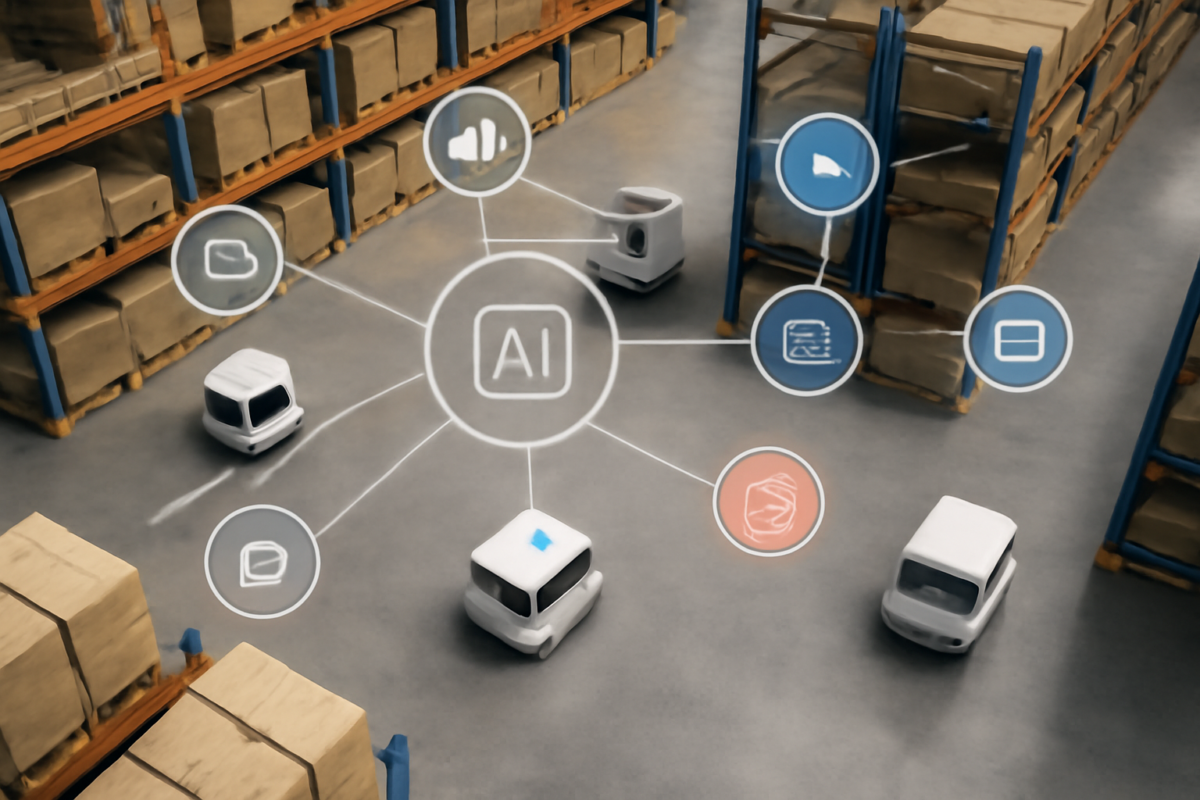
This is where AI and robotics step in. Together, they form a powerful duo that goes beyond mechanical efficiency. Robotics provides the physical execution like lifting, moving, and sorting while AI provides the intelligence to guide decisions. The result? Warehouse accuracy robotics that set new standards for precision, efficiency, and scalability.

In this article, let’s explore how AI robotics warehouse systems are transforming operations, why accuracy matters more than ever, and what future innovations will shape smarter logistics.

The Challenge of Accuracy in High-Speed Logistics

The fundamental challenge in a high-speed warehouse is that human pickers, despite their dexterity, are prone to fatigue and distraction. This leads to common errors like mispicking the wrong product, damaging fragile goods, or miscounting inventory. 

Even small error rates are costly when scaled across millions of orders annually. Early warehouse automation solutions addressed speed but struggled with the variability and complexity of inventory: 

Fixed Automation (Conveyors, AGVs): Excellent for moving large volumes but lacked the fine motor skills for piece-picking. 

Early Industrial Robots: Highly precise for repetitive tasks (like welding) but lacked the perception to handle unstructured environments or a variety of SKU.

The advent of AI changed the game by giving robots the ability to “see” and “think,” turning them from dumb, powerful tools into intelligent, adaptable colleagues. The fusion of AI and robotics ensures that the system not only moves quickly but, more importantly, knows what it is doing with absolute certainty, achieving unprecedented robotic picking accuracy.

Also See: Enhancing Safety and Productivity with Warehouse Robotics

Why Accuracy Matters in Warehousing

In a world where customers expect same-day delivery and error-free fulfillment, accuracy is non-negotiable. With millions of SKUs and complex logistics, manual processes cannot sustain the speed and precision required. This is why warehouse automation solutions are rapidly becoming industry standards.

Consider these impacts:

  • Cost of errors: Each mispick or mis-shipment creates return costs, restocking expenses, and wasted labor.
  • Customer trust: A single wrong order can reduce brand loyalty. Repeat mistakes can lose a customer permanently.
  • Supply chain disruption: Inaccuracies delay not just individual orders but entire workflows across distribution networks.

The Role of Robotics in Warehouse Accuracy

what is AI robotics warehouse

Robotics bring consistency and endurance to warehousing tasks. Unlike humans, robots don’t tire or lose focus. In accuracy-driven operations, this matters.

Key Robotics Applications include:

Robotic Picking Systems: Automated arms with advanced grippers reduce picking errors, ensuring the right item is selected every time.

Automated Guided Vehicles (AGVs): These mobile robots transport items seamlessly, minimizing misplacement.

Inventory Robotics: Robots equipped with cameras and sensors scan inventory in real time, keeping stock counts accurate.

Collaborative Robots (Cobots): Working alongside humans, cobots enhance efficiency while reducing error-prone tasks.

By improving robotic picking accuracy and reducing reliance on human judgment, robotics lay the groundwork for higher precision in warehouses.

AI: The Brain Behind the Precision

AI serves as the cognitive engine for smart robotics systems, providing the crucial layers of intelligence necessary for accurate handling.

1. Computer Vision and Object Recognition

The primary function of AI in this context is to see the world as data. Using high-resolution cameras, 3D scanners, and advanced computer vision algorithms, the robot can:

  • Differentiate Between SKUs: AI can instantly distinguish between two visually similar products (e.g., two different flavors of the same brand of cereal box) by analyzing minute details, such as subtle packaging changes or small text differences that a human might overlook in haste.
  • Determine Pose and Orientation: Crucially, the AI calculates the exact position and orientation (pose) of the target item within the bin or on the shelf. This provides the robot arm with the necessary coordinates for a precise grip.
  • Handle Clutter: Unlike simpler systems, AI robotics warehouse solutions use deep learning to understand cluttered bins, effectively separating the target item from surrounding noise and shadows.

2. Predictive Grasping and Force Control

Once the AI has identified the target, it uses machine learning to plan the perfect grasp which is a measure of robot precision:

  • Grip Optimization: The model selects the ideal end-effector (gripper) and determines the exact pressure and angle required to secure the item without damaging it. For a fragile item, it might use a gentle vacuum cup; for a heavy box, a more robust parallel gripper.
  • Weight and Material Prediction: By analyzing the visual data and comparing it to its inventory database, the AI can predict the item’s weight and material properties, adjusting the picking force in real-time. This dynamic force control minimizes product damage, a common source of error and cost in manual picking.

How AI and Robotics Work Together

The true breakthrough happens when AI and robotics combine. Robotics provides the hands, while AI supplies the brain.

Examples of AI-Robotics Synergy:

Smart Picking: A robot arm identifies items via AI-powered vision, validates them against the order, and executes precise picks.

Automated Inventory Management: AI algorithms sync with robotic scanners to update stock levels instantly.

Error Prevention: If a robot misidentifies an item, AI cross-checks data from sensors and corrects the action.

Dynamic Pathfinding: AI guides warehouse robots through optimized routes, avoiding congestion and ensuring fast delivery.

Together, these systems achieve robot precision at a level impossible with traditional automation alone.

Benefits of AI-Driven Warehouse Accuracy Robotics

Adopting smart robotics systems in warehouses unlocks multiple benefits:

Higher Inventory Accuracy

Robots paired with AI achieve near-perfect stock counts, minimizing shrinkage and discrepancies.

Fewer Picking Errors

Intelligent robots validate every pick against digital orders, reducing costly mistakes.

Faster Fulfillment

By combining robotic speed with AI optimization, warehouses fulfill orders faster without sacrificing quality.

Cost Savings

Reduced returns, lower labor costs, and optimized operations lead to significant long-term savings.

Scalability

As order volumes grow, AI-driven robots can adapt seamlessly without requiring massive workforce changes.

Improved Safety

With AI monitoring, robots avoid collisions and handle repetitive or dangerous tasks, creating safer workplaces.

Challenges in AI and Robotics Adoption

Despite clear benefits, challenges remain:

High Implementation Costs: Robotics systems and AI integration require significant investment.

Data Overload: Massive streams of inventory and sensor data must be processed effectively.

Integration Complexity: Aligning AI with existing warehouse management robotics can be challenging.

Skill Gaps: Workforce training is essential to manage and maintain advanced systems.

Addressing these challenges requires strong planning, reliable robotic logistics software, and phased adoption strategies.

The Future of AI and Warehouse Accuracy Robotics

Looking ahead, AI and robotics will continue to evolve:

Swarm Robotics: Coordinated fleets of robots will handle complex tasks collectively.

Self-Healing AI Systems: Predictive maintenance will reduce downtime and improve warehouse uptime robots.

Digital Twins: Real-time simulations will test warehouse layouts for maximum efficiency.

Human-Robot Collaboration: AI will create safer, more intuitive environments for people and machines to work together.

Warehouses that invest now in warehouse automation solutions will set the benchmark for precision and reliability.

Conclusion

The blend of AI and robotics is revolutionizing how accurate our warehouses can be. Robots handle the work with speed and consistency, while AI provides the intelligence and flexibility. When combined, these smart robotic systems drastically cut down on errors, lead to better inventory optimization, and significantly boost productivity across the board. 

As warehouse automation keeps advancing, companies that adopt this powerful combination won’t just see greater accuracy; they’ll also build a stronger, more resilient business better equipped to handle today’s tough logistics competition.

FAQ: Warehouse Accuracy Robotics

How do AI and robotics improve warehouse accuracy compared to manual methods?

Robots reduce human error, while AI ensures tasks are optimized and verified, creating near-perfect accuracy.

Are AI-driven robotics systems suitable for small warehouses?

Yes. Scalable solutions exist, though initial costs can be a barrier. Cloud-based AI tools make adoption easier for smaller facilities.

What industries benefit most from AI-robotics warehouses?

E-commerce, retail, pharmaceuticals, and food logistics gain the most due to high SKU counts and strict accuracy needs.

Can AI prevent warehouse downtime?

Yes. AI predicts equipment failures and schedules proactive maintenance, keeping robots and systems operational.

How Autonomous Warehouse Robots Are Shaping the Future of Warehousing

Introduction

The logistics and warehousing industry is undergoing a major transformation, and one of the driving forces behind this shift is the rise of autonomous warehouse robots. These advanced robots are not only enhancing operational efficiency but also shaping the future of how warehouses and distribution centers function. As autonomous mobile robots for warehouse become more advanced, they are helping businesses streamline processes, reduce costs, and improve safety.

In this blog, we will explore how autonomous warehouse robot are changing the landscape of warehouse automation, the role they play in enhancing robotics warehouse operations, and why they are essential for the future of warehousing.


What Are Autonomous Warehouse Robots?

1. Defining Autonomous Warehouse Robots

Autonomous warehouse robot are robots that operate independently in warehouse environments without the need for human intervention. These robots are equipped with sensors, artificial intelligence (AI), and machine learning algorithms that allow them to navigate the warehouse, perform tasks, and communicate with other systems within the warehouse. Their autonomy allows them to work around the clock, increasing the efficiency and speed of warehouse operations.

Unlike traditional robots that require human input or remote control, autonomous robots are capable of decision-making based on their environment and predefined tasks. This level of automation in warehousing is transforming how goods are handled, moved, and sorted within distribution centers.

Benefits:

  • Self-operating robots with no human control.
  • Higher efficiency in warehouse operations.
  • 24/7 productivity, reducing downtime.

The Role of Robotics in Warehouse Automation

2. How Robotics Warehouse Systems Are Enhancing Efficiency

The integration of robotics warehouse systems into warehousing operations has significantly improved operational efficiency. Autonomous warehouse robot can perform a variety of tasks, including inventory management, order picking, sorting, and material handling, all while operating with high precision.

These robots work collaboratively with automated systems, such as conveyor belts and sorting systems, to seamlessly move goods within the warehouse. By automating repetitive and time-consuming tasks, these robots free up human workers to focus on more complex activities, such as quality control, customer service, and overseeing robotic operations.

Benefits:

  • Reduced human error through robotic precision.
  • Faster processing and order fulfillment.
  • Increased productivity by automating repetitive tasks.

3. Autonomous Mobile Robots for Warehouse Operations

One of the standout features of autonomous warehouse robot is their ability to move goods throughout the warehouse using autonomous mobile robots (AMRs). These AMRs navigate the warehouse by using advanced navigation systems, AI, and machine learning, which allow them to avoid obstacles, identify and follow designated paths, and transport materials across long distances within the facility.

Unlike traditional automated guided vehicles (AGVs) that require fixed tracks or rails, AMRs are highly flexible and adaptable to dynamic warehouse environments. They can be programmed to work alongside other robots and human workers, ensuring smooth operations and better coordination between different warehouse systems.

Benefits:

  • Increased flexibility and adaptability compared to traditional systems.
  • Seamless integration with other robotic systems and human workers.
  • Efficient material handling across large warehouse spaces.

The Advantages of Autonomous Warehouse Robots

4. Enhancing Safety in Warehouse Environments

Autonomous warehouse robot contribute significantly to improving warehouse safety. Since robots take over physically demanding tasks and work in environments that may be hazardous, they help reduce the risk of injuries caused by repetitive movements, lifting, and working with heavy machinery.

Additionally, autonomous robots can operate in tight spaces and navigate environments that are difficult for humans to reach, such as areas with high shelving or high-stress tasks. This reduces the risk of accidents, improving safety for human workers while ensuring a smoother workflow.

Benefits:

  • Safer work environments for human employees.
  • Reduction in workplace injuries and fatigue.
  • Increased safety when handling heavy loads or hazardous tasks.

5. Improving Inventory Management and Accuracy

One of the most significant benefits of robotic warehouse systems is their ability to perform inventory management with high accuracy and efficiency. Autonomous warehouse robots can scan and track inventory in real-time, reducing the chances of stockouts, overstocking, and human error in inventory tracking.

Robots equipped with RFID scanners and barcode readers can quickly identify and sort products, ensuring that the right items are in the right place. Additionally, robots can work in tight aisles or high-rack environments, improving storage capacity and inventory management.

Benefits:

  • Real-time inventory tracking with higher accuracy.
  • Reduced stock discrepancies and errors.
  • Efficient use of warehouse space and resources.

The Future of Autonomous Warehouse Robots

6. Emerging Trends in Autonomous Warehouse Robots

The future of autonomous warehouse robots looks bright, with continuous advancements in robotics, AI, and machine learning driving innovation. In the coming years, we can expect to see smarter robots that can learn from their environment, improve their decision-making abilities, and integrate more seamlessly with other systems within the warehouse.

Some key trends include:

  • Collaborative robots (cobots) working alongside humans.
  • Increased use of AI-powered robots for predictive maintenance and performance optimization.
  • Advanced sensors and computer vision for even more precise and efficient navigation.

These advancements will lead to more efficient, autonomous, and intelligent warehouse operations that require fewer human interventions and provide better scalability for businesses.

Benefits:

  • Continual improvement in robotic capabilities.
  • Seamless interaction between humans and robots.
  • Smarter and more efficient operations.

7. The Impact of Autonomous Robots on Warehouse Costs

While the initial investment in autonomous warehouse robots can be significant, the long-term savings are considerable. Warehouse automation reduces reliance on human labor, lowers operating costs, and boosts productivity. Additionally, robots in warehouses can work continuously without the need for breaks or shifts, providing businesses with a 24/7 workforce.

As technology becomes more affordable and efficient, we can expect autonomous warehouse robot to become an even more attractive option for businesses seeking to reduce their logistics costs and optimize operations.

Benefits:

  • Cost savings through reduced labor expenses.
  • Increased operational efficiency with 24/7 robot functionality.
  • Scalable solutions that can grow with demand.

Conclusion

Autonomous warehouse robots are revolutionizing the logistics industry by automating key warehouse functions such as inventory management, order picking, and material handling. With robotic warehouse systems, businesses can achieve higher efficiency, reduce costs, and enhance safety in their operations.

As robotics technology continues to advance, we can expect autonomous robots to play an even bigger role in transforming warehouse environments, making them smarter, faster, and more cost-effective. With the benefits of automation and the future potential of these robots, the logistics and warehousing industries are entering a new era of productivity and innovation.


Start Implementing Autonomous Robots in Your Warehouse Today

Interested in autonomous warehouse robot? Subscribe to our newsletter for more insights on robotics warehouse systems, warehouse automation, and how autonomous mobile robots can improve your logistics operations. Or download our free guide to learn how to implement robotics solutions in your warehouse today!

Enhancing Safety and Productivity with Warehouse Robotics

The truth is, modern warehouses are stretched thin. The relentless growth of online shopping, the pressure of instant gratification (like same-day delivery), and constant supply chain interruptions have made manual labor simply unsustainable. Warehouse operators urgently need AI solutions to keep up the pace while protecting their people. This is where the power of warehouse robotics safety comes in. 

Robotics from sophisticated picking arms to fleet-footed autonomous vehicles are literally redesigning the warehouse floor. Beyond just increasing speed, these machines are a massive boon to safety. They cut down on dangerous incidents, create optimized workflows, and ensure employees can work under better conditions. In this article, let’s explore how robotics in warehouse management are the key to balancing high-stakes efficiency with essential worker safety.

The Dual Challenge: Speed and Safety

Historically, increasing warehouse operations automation and speed often came at the cost of human safety. Manual material handling is fraught with risks, leading to a high incidence of musculoskeletal disorders (MSDs), slips, trips, and collisions. On the other hand, traditional fixed automation systems, while fast, often required extensive safety fencing, which limited human access and flexibility.

The new generation of warehouse robotics solves this dual challenge by integrating sophisticated safety technology directly into the core design and operation of the machines. The goal is to maximize robotic picker productivity while achieving zero human-robot incidents. This is accomplished through three integrated technological pillars:

Sensing and Perception: Giving robots the ability to “see” and “understand” their environment. 

AI-Driven Decision Making: Allowing robots to react safely to unforeseen events in real-time. 

Physical Design for Safety: Engineering the hardware to be inherently safe.

Also See: The Future of Automated Warehouse Robots: Revolutionizing Logistics

How Robotics Improves Warehouse Safety

what is robotic picker productivity

1. Reducing Hazardous Manual Labor

Heavy lifting and repetitive bending are leading causes of warehouse injuries. Safe robotic picking systems handle these physically demanding tasks, protecting workers from strain and fatigue.

2. Automated Collision Avoidance

Modern inventory robotics are equipped with sensors, cameras, and AI-driven obstacle detection. They can navigate busy aisles without bumping into racks, forklifts, or employees.

3. Consistent Compliance

Unlike humans, robots don’t skip safety protocols. With pre-programmed rules and robotics safety technology, they consistently follow safe speeds, routes, and procedures.

4. Hazard Detection

Some robots are equipped with thermal or environmental sensors. These tools help identify spills, overheating equipment, or unsafe conditions before they become serious hazards.

How Robotics Improves Productivity

1. Faster Picking and Packing

Robotic picker productivity far outpaces manual workers for repetitive tasks. Robots can sort, pack, and move goods with minimal downtime.

2. 24/7 Operation

Unlike humans, robots don’t tire. Automated systems keep warehouses running around the clock, maximizing output without overtime costs.

3. Optimized Inventory Management

Warehouse management robotics track stock levels in real time. This prevents out-of-stock errors, improves replenishment accuracy, and saves time spent on manual counts.

4. Reduced Errors

Human errors in order picking create costly returns. With safe robotic picking systems, error rates drop significantly, improving both efficiency and customer satisfaction.

AI Warehouse Solutions: Smarter, Safer Systems

AI is the brain behind modern warehouse robotics. By combining robotics hardware with intelligent software, warehouses achieve new levels of safety and performance.

Predictive Analytics: AI predicts equipment maintenance needs, reducing unexpected downtime.

Smart Routing: Algorithms guide robots along the safest, most efficient paths.

Adaptive Learning: Robots learn from past actions to improve accuracy in picking and navigation.

Human Collaboration: AI ensures robots adjust movements to avoid risks when humans are nearby.

Real-World Applications of Robotics in Warehouses

Automated Guided Vehicles (AGVs)

AGVs transport pallets and goods across the warehouse floor safely, eliminating forklift accidents.

Robotic Picking Arms

With advanced vision systems, robotic arms handle fragile or oddly shaped items, reducing product damage.

Inventory Drones

Drones fly through aisles to scan inventory at lightning speed, ensuring accurate data with minimal disruption.

Collaborative Robots (Cobots)

Cobots work alongside humans, assisting in packing, picking, or quality checks while ensuring worker safety.

Also See: Understanding the Science of Robotic Warehouse Navigation

The Business Benefits of Robotics Adoption

what is automated warehouse safety

Some of the benefits of adopting robotics in warehouse include:

Lower Operational Costs: Fewer accidents mean lower insurance premiums and compensation claims.

Higher Employee Satisfaction: Workers focus on safer, less strenuous tasks.

Scalability: As demand grows, robotic fleets scale without compromising safety.

Improved Reputation: Companies known for safety and efficiency attract better talent and more customers.

Challenges to Consider

While the benefits are strong, implementing warehouse operations automation also comes with challenges:

  • High Initial Investment: Robotics hardware and software require significant upfront capital.
  • Integration Complexity: Systems must align with existing warehouse management software.
  • Maintenance Needs: Robots require ongoing care to remain safe and efficient.
  • Workforce Training: Employees must adapt to new roles alongside robotic systems.

The Future of Warehouse Robotics Safety

The future of warehouse automation technology lies in collaboration, intelligence, and scalability. Expect to see:

  • Stronger Human-Robot Partnerships: Cobots designed to enhance human capabilities.
  • More Autonomous Systems: Fully AI-driven robots managing complex picking and routing.
  • Advanced Safety Standards: Global guidelines for robot picking safety and interaction.
  • Integrated Smart Warehouses: A network where robotics, IoT, and AI create seamless operations.

FAQ: Warehouse Robotics Safety

How do warehouse robots improve safety?

They reduce heavy lifting, avoid collisions, and detect hazards, lowering the risk of workplace accidents.

Can robots completely replace human workers?

Not entirely. Robots handle repetitive and dangerous tasks, while humans focus on problem-solving and oversight.

Are warehouse robots expensive to maintain?

Maintenance is required, but predictive AI tools reduce unexpected failures, keeping costs manageable.

How does robotics impact employee satisfaction?

By removing physically demanding tasks, employees feel safer and more valued in their roles.

What industries benefit most from warehouse robotics?

E-commerce, retail, pharmaceuticals, and food logistics see the greatest benefits.

Conclusion

Warehouse robotics are essential for businesses balancing safety with productivity. From robotics safety technology that prevents accidents to AI warehouse solutions that optimize operations, these tools protect workers and strengthen efficiency. 

By adopting warehouse operations automation, companies not only future-proof their logistics but also create safer, more productive environments for everyone involved.

The Future of Automated Warehouse Robots: Revolutionizing Logistics

Introduction

The logistics industry is undergoing a dramatic transformation, and at the heart of this evolution are automated warehouse robots. These advanced machines are increasingly becoming integral to modern warehouses, revolutionizing how businesses manage their supply chains, handle inventory, and fulfill orders. With the growing demand for speed, accuracy, and efficiency in logistics, companies are turning to warehouse robotics to meet these challenges.

In this blog, we will explore how robots in warehouses are reshaping logistics operations, the role of warehouse robots companies, and how industry leaders like Amazon are leveraging robotics to enhance their warehouse operations. We’ll also look at the benefits of automated warehouse robots and how they are improving productivity and reducing costs in logistics.


What Are Automated Warehouse Robots?

1. Defining Automated Warehouse Robots

Automated warehouse robots are machines designed to perform tasks typically done by humans in a warehouse or distribution center. These tasks can include picking, sorting, packing, and transporting goods within the warehouse. Unlike traditional manual labor, these robots operate autonomously, utilizing advanced sensors, AI algorithms, and machine learning to navigate and carry out tasks with precision.

The key feature of automated warehouse robots is their ability to operate without direct human intervention, thereby increasing efficiency and productivity while reducing the likelihood of human error. These robots are also often designed to work in collaboration with human workers, allowing for a more integrated warehouse system.

Benefits:

  • Reduced labor costs by automating routine tasks.
  • Increased productivity through 24/7 operation.
  • Higher accuracy in inventory management and order fulfillment.

The Role of Warehouse Robotics in Logistics

2. How Warehouse Robotics is Transforming the Logistics Industry

Warehouse robotics is not just a trend; it’s a significant shift in how warehouses and distribution centers operate. From robotic arms for sorting and packing to autonomous mobile robots (AMRs) for transporting goods, warehouse robots are improving the speed and accuracy of logistics operations.

These robots can work in environments that might be challenging for human workers, such as high-density storage areas, high-risk tasks, or hazardous conditions. By taking over routine and physically demanding jobs, robots allow human workers to focus on more complex tasks, ultimately leading to a more efficient and safer warehouse environment.

Benefits:

  • Faster order fulfillment with increased throughput.
  • Improved safety by reducing human exposure to hazardous conditions.
  • Optimized space utilization through robot-driven storage systems.

Amazon Robots in the Warehouse: A Leading Example

3. How Amazon is Using Robotics to Improve Warehouse Efficiency

Amazon, a leader in the e-commerce industry, has embraced warehouse robotics to streamline its logistics operations. With its vast network of fulfillment centers, Amazon has incorporated robotic systems into nearly every aspect of its operations, from inventory management to order fulfillment.

One of the most famous examples of Amazon’s warehouse robotics is its Kiva robots, now known as Amazon Robotics. These robots are responsible for automating the picking and packing processes, moving goods to human workers who then prepare them for shipment. Amazon’s robotics system allows for faster processing times, more efficient use of space, and fewer errors in order fulfillment.

In addition to Kiva robots, Amazon uses other advanced robotic systems such as autonomous mobile robots (AMRs), robotic arms, and AI-driven sorting systems, all working together to create a seamless, highly efficient warehouse operation.

Benefits:

  • Fast order fulfillment with robot-driven automation.
  • Scalable operations that grow with increasing demand.
  • Improved warehouse productivity with the integration of robots.

Robots in Warehouse Operations: Enhancing Efficiency and Reducing Costs

4. How Robots Improve Operational Efficiency in Warehouses

Robots in warehouses play a crucial role in improving operational efficiency. Automated systems handle repetitive tasks such as order picking, sorting, and inventory management, all of which are essential to warehouse operations. By allowing robots to perform these tasks, human workers can focus on more value-added activities, such as quality control and customer service.

The robotic warehouse systems are designed to work around the clock, reducing the dependency on human labor, increasing operational capacity, and speeding up order processing times. Moreover, these systems can communicate with each other to coordinate tasks in real time, ensuring smooth operations and quick adaptation to changing demand.

Benefits:

  • Faster cycle times for inventory handling and order fulfillment.
  • Optimized workflows with robots working alongside humans.
  • Cost savings in labor and operational expenses.

The Future of Warehouse Robotics: Trends and Innovations

5. The Evolution of Robotic Systems in Warehouses

As technology advances, the future of automated warehouse robots looks even brighter. The next generation of warehouse robots will include smarter AI, better machine learning capabilities, and advanced sensor technologies. These robots will be able to work even more autonomously, integrating seamlessly into the supply chain and warehouse management systems.

Some of the emerging trends in warehouse robotics include:

  • AI-powered robots: Robots that use AI to make real-time decisions and adapt to changes in the warehouse environment.
  • Collaborative robots (cobots): Robots designed to work alongside humans, enhancing efficiency and reducing the risk of accidents.
  • Advanced sorting robots: Robots that can handle a wide variety of products, including irregularly shaped or fragile items.

With these advancements, the role of robots in warehouses will continue to expand, leading to more efficient, cost-effective, and innovative warehouse operations.

Benefits:

  • Continuous improvement of robotic capabilities.
  • Greater flexibility in handling diverse tasks.
  • Enhanced collaboration between humans and robots.

The Impact of Warehouse Robots on the Future of Logistics

6. Warehouse Robots: The Backbone of Future Logistics Networks

Automated warehouse robots are rapidly becoming the backbone of modern logistics networks. As e-commerce and supply chain demands continue to grow, companies must adapt to new technologies to remain competitive. Robotic warehouse systems are helping businesses meet these demands by improving speed, accuracy, and scalability.

The integration of robots into warehouses is not just about replacing human labor but enhancing the entire logistics ecosystem. Warehouse robots enable companies to process more orders in less time, reduce operational costs, and deliver goods faster to customers.

Benefits:

  • Increased operational agility in logistics networks.
  • Cost-efficient operations through automation.
  • Enhanced customer satisfaction with faster deliveries.

Conclusion

The rise of automated warehouse robots marks a new chapter in the logistics and supply chain industries. With the ability to streamline processes, reduce costs, and improve efficiency, robots in warehouses are revolutionizing how companies handle inventory and fulfill orders. Companies like Amazon are leading the charge with robotic warehouse systems, and as technology continues to evolve, the role of robots will only become more critical in shaping the future of logistics.

By embracing warehouse robotics, businesses can increase productivity, optimize workflows, and position themselves for success in an increasingly competitive market. As automation continues to play a larger role in warehouses, the potential for growth in automated warehouse robots is virtually limitless.


Embrace the Future of Warehouse Robotics Today

Interested in incorporating automated warehouse robots into your operations? Subscribe to our newsletter for the latest insights on warehouse robotics, AI-driven automation, and how robotic systems can improve your logistics operations. Or download our free guide to learn how to optimize your warehouse with robotic systems and warehouse automation.

Understanding the Science of Robotic Warehouse Navigation

Warehouses today are buzzing, complicated places with products, people, and machines. And right in the middle of all that activity, you’ll find autonomous mobile robots (AMRs), moving with amazing precision to fill orders and keep everything running smoothly. These robots might feel like something from a sci-fi movie, but their ability to navigate, find items, and steer clear of obstacles is actually based on a clever mix of computer science, math, and engineering. 

The science behind how they get around is incredibly advanced, blending real-time data from different sensors with sophisticated algorithms to make sure they’re always operating at peak efficiency and safety. 

In this article, let’s explore the core technologies and principles that allow these robots to move with such incredible accuracy, completely changing the world of warehouse automation.

What Is Robotic Warehouse Navigation?

Robotic warehouse navigation is the process by which autonomous robots move through storage environments to pick, transport, and deliver goods. Unlike conveyor belts or fixed automation, these robots think on the move. They combine sensors, algorithms, and AI to interpret their surroundings and plan efficient routes.

The main goals of robotic navigation include:

  • Moving goods quickly without errors.
  • Avoiding collisions with racks, conveyors, or workers.
  • Adjusting in real time to changes in the environment.
  • Supporting large-scale automated warehouse picking.

At its core, navigation is about perception, decision-making, and action—turning raw sensor data into precise movement.

The Core Science Behind Navigation Technology

1. Sensors as the Robot’s Eyes and Ears

Robots rely on multiple sensors to perceive their surroundings. These include:

LIDAR: Projects lasers to map distances and create 3D models of the warehouse.

Cameras: Recognize barcodes, colors, and object shapes for accurate item identification.

Ultrasonic Sensors: Detect nearby obstacles in tight spaces.

IMUs (Inertial Measurement Units): Track acceleration and orientation to measure movement.

Together, these sensors allow robots to “see” and “hear” the warehouse.

Also See: Sensor Fusion Robotics: The Future of Robotic Picking Accuracy

2. Pathfinding Algorithms

Robots don’t just wander. They follow optimized paths, thanks to algorithms like A* (A-star) or Dijkstra’s algorithm. These methods calculate the fastest and safest routes from one point to another, balancing speed with safety.

3. Simultaneous Localization and Mapping (SLAM)

SLAM is a breakthrough in AI robotics navigation. It enables robots to build maps of their environment while figuring out their own position within it. As warehouses evolve, robots update these maps in real time, staying accurate even in shifting layouts.

4. Machine Learning for Smarter Decisions

Over time, robots learn patterns: peak traffic areas, common obstacles, and high-demand zones. By applying AI robotics navigation, robots anticipate and adapt, becoming more efficient with every trip.

Why Navigation Is Critical for Warehouse Automation

Boosting Efficiency

Efficient navigation means faster order picking and smoother workflows. Robots that take optimal paths reduce congestion and increase throughput.

Enhancing Accuracy

Navigation is directly tied to robotic picking accuracy. A misplaced item or missed aisle can disrupt entire shipments. With precise movement, robots consistently reach the right spot at the right time.

Supporting Scalability

As order volumes grow, more robots can be added seamlessly. Because navigation systems are decentralized, they scale without creating bottlenecks.

Improving Safety

Navigation technology reduces collisions with racks, equipment, or people. This makes warehouse automation technology safer for both machines and workers.

Types of Robotic Navigation in Warehouses

1. Fixed Path Navigation

Early robots followed fixed magnetic strips or QR codes on floors. While reliable, this system lacked flexibility when layouts changed.

2. Free Navigation with SLAM

Modern robots rely on SLAM and AI pathfinding. They move freely without fixed paths, adapting instantly when aisles or racks are rearranged.

3. Hybrid Systems

Some warehouses combine fixed routes for repetitive tasks with free navigation for complex ones. This balances stability and adaptability.

How Robots Achieve Pathfinding Accuracy

Dynamic Mapping: Updating layouts in real time prevents robots from getting “lost.”

Obstacle Avoidance: Robots detect humans, forklifts, or unexpected objects and reroute instantly.

Traffic Control: Advanced robotics logistics systems coordinate multiple robots to avoid traffic jams.

Redundancy: Multiple sensors cross-check information, ensuring one faulty reading doesn’t cause errors.

This combination of redundancy and intelligence guarantees robust performance in high-pressure environments.

The Role of AI in Navigation Technology Robotics

AI takes robotic navigation beyond simple movement:

  • Predictive Pathing: Anticipating traffic based on time of day or order flow.
  • Adaptive Speed Control: Slowing down in crowded areas, speeding up in open aisles.
  • Collaborative Routing: Multiple robots sharing data to optimize warehouse-wide efficiency.
  • Error Reduction: AI detects anomalies, such as missing items, and adjusts accordingly.

Benefits of Robotic Warehouse Navigation

Operational Advantages

  • Higher Throughput: More orders processed per hour.
  • Lower Costs: Reduced reliance on manual labor.
  • Reliability: Consistent accuracy, even during peak loads.

Strategic Advantages

  • Flexibility: Easy to adapt to new product lines or layouts.
  • Sustainability: Smarter routing reduces energy consumption.
  • Competitive Edge: Faster and more reliable fulfillment enhances customer satisfaction.

Challenges in Robotic Navigation

what is warehouse robots

Complex Environments: Busy warehouses create unpredictable conditions.

Integration with Legacy Systems: Older inventory software may not sync with advanced robotics logistics systems.

High Upfront Costs: Sensors and AI-powered robots require investment.

Data Overload: Robots generate massive streams of navigation data that need advanced warehouse automation technology to manage.

Despite challenges, most warehouses achieve ROI within a few years due to improved efficiency and reduced errors.

FAQ: Robotic Warehouse Navigation

How do warehouse robots know where they’re going?

They use sensors, AI algorithms, and mapping systems like SLAM to calculate and adjust paths.

Are robots replacing human pickers?

Not fully. Robots handle repetitive navigation and transport, while humans focus on complex tasks.

What happens if a robot’s sensors fail?

Redundant systems ensure that backup sensors take over to prevent accidents or errors.

Can navigation robots work in small warehouses?

Yes. Modern systems are scalable and can be tailored to fit small, medium, or mega-warehouses.

How does robotic navigation impact sustainability?

By optimizing routes and reducing wasted energy, navigation systems lower overall carbon footprints.

Conclusion

From automated warehouse picking to full-scale robotics logistics systems, robotic warehouse navigation significantly boosts efficiency, safety, and scalability. As warehouses continue to get smarter, navigation will remain the most critical factor driving the effectiveness and innovation of warehouse robotics. 

The underlying science behind these systems reveals a simple truth: robots aren’t just moving things; they’re completely changing how the global supply chain operates.