Why Amazon is Using Robots in Their Warehouses: Efficiency

Introduction

Amazon, a leader in e-commerce and logistics, is renowned for its use of technology to streamline operations and improve customer experience. One of the most transformative innovations in Amazon’s warehouses is the integration of robots. With robots in Amazon warehouses, the company has revolutionized its fulfillment process, enhancing efficiency, speed, and accuracy in ways that traditional methods couldn’t achieve.

This blog will explore why Amazon is using robots in their warehouses, the efficiency they bring, and how Amazon warehouse robotics is driving innovation in logistics. We’ll also look at how Amazon robot warehouse are helping to meet the growing demand for faster delivery and more efficient warehouse operations.


What Are Amazon Robots in Their Warehouses?

1. Defining Amazon Robots Warehouse

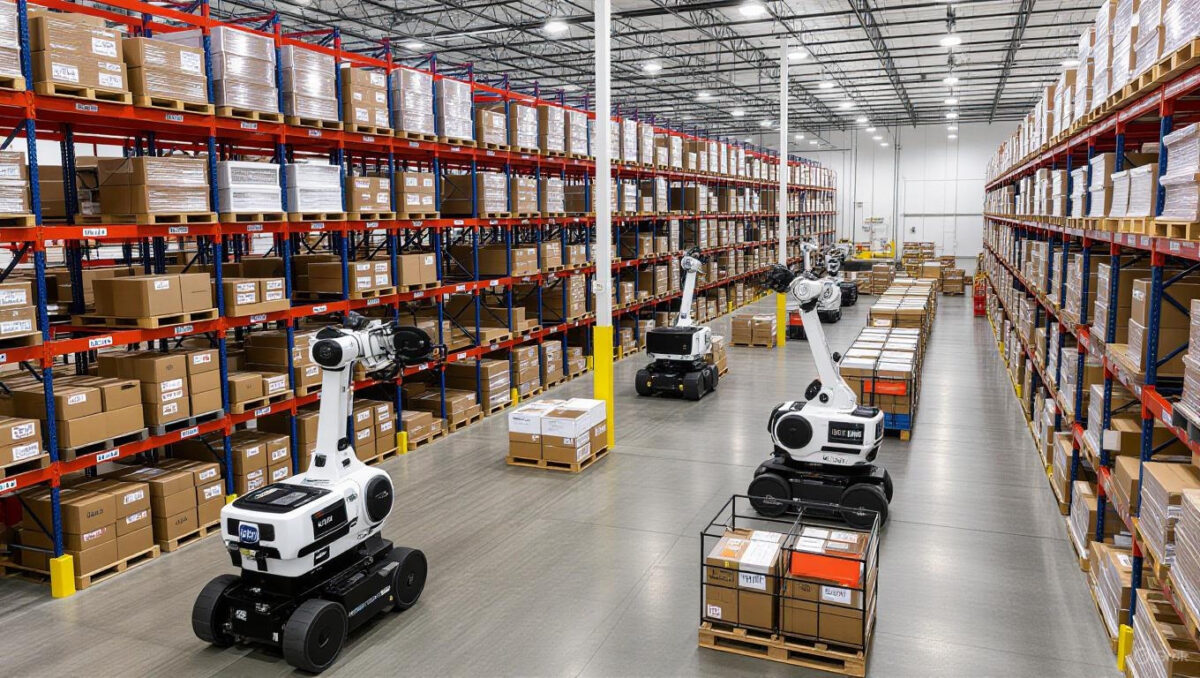
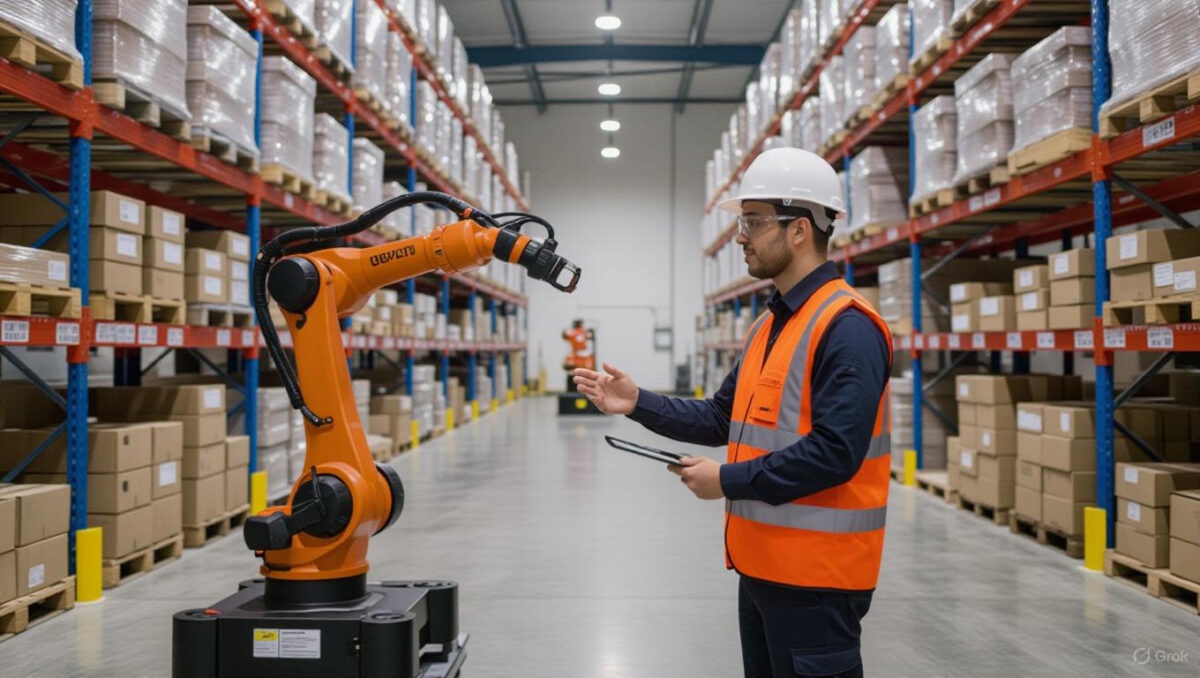
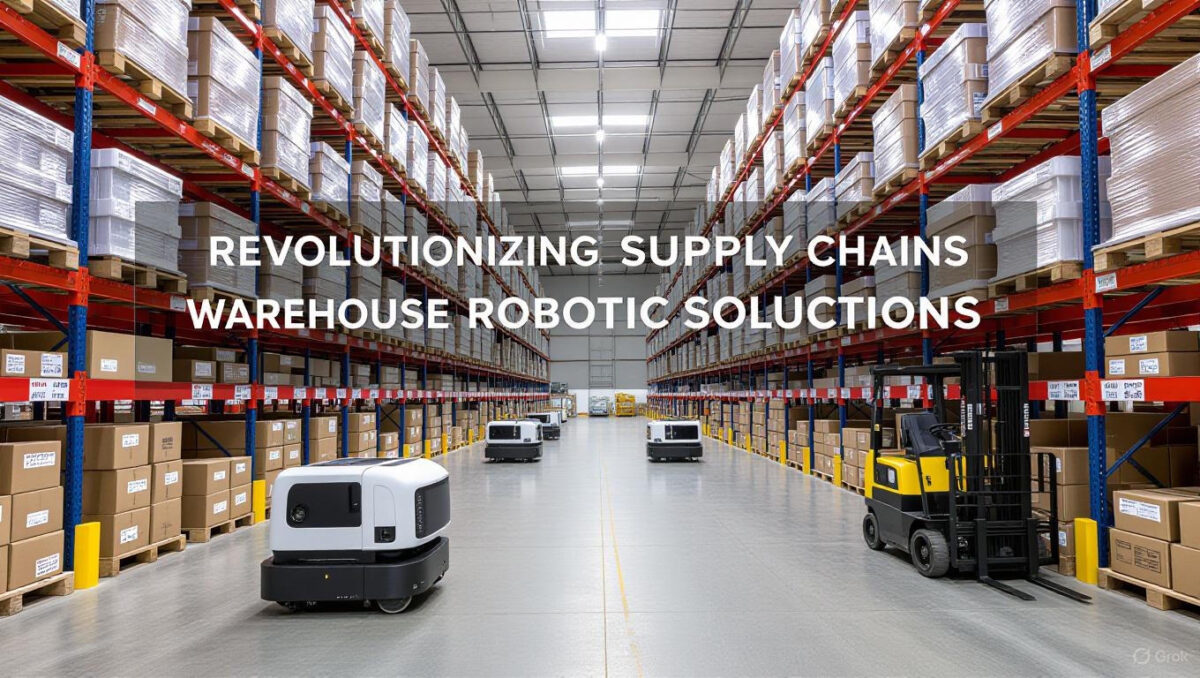
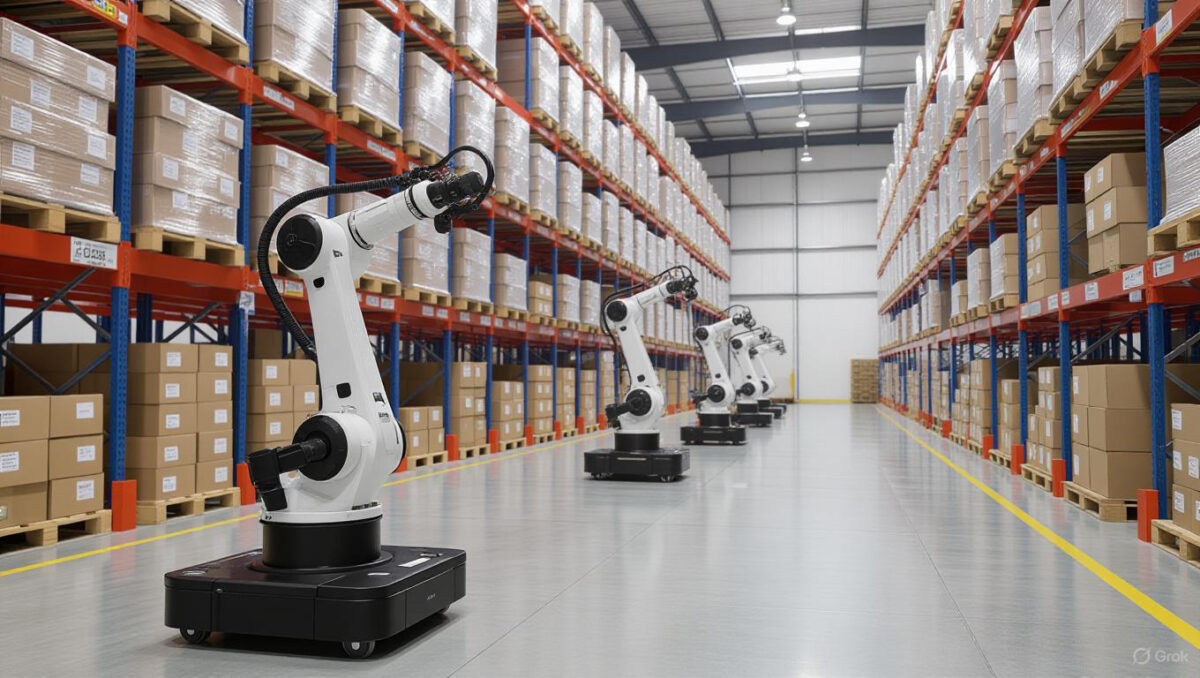
Amazon robot warehouse are advanced machines designed to automate various tasks within Amazon’s fulfillment centers. These robots include autonomous mobile robots (AMRs), robotic arms, and conveyor systems that work together to transport goods, pick items, and sort products more efficiently than human workers alone.

The most well-known robots in Amazon warehouse are the Kiva robots, which are now known as Amazon Robotics. These robots have completely transformed how Amazon warehouses operate by automating the process of picking and transporting items across the facility. By using advanced AI and machine learning, these robots can navigate the warehouse, avoid obstacles, and deliver items to the appropriate areas for packing and shipping.

Benefits:

  • Increased speed and efficiency in warehouse operations.
  • AI-powered navigation for smart decision-making.
  • Reduction in human error and more accurate order fulfillment.

Why Amazon is Using Robots in Their Warehouses

2. The Quest for Efficiency

The main reason Amazon is using robots in warehouses is to improve efficiency. With millions of items processed every day, Amazon needs an automated solution that can handle high-volume tasks quickly and accurately. Robots working in Amazon warehouses can work around the clock, eliminating downtime caused by human shifts, breaks, or fatigue.

The use of warehouse robots Amazon also speeds up processes like order picking, sorting, and transporting goods. Amazon robot are designed to operate seamlessly alongside human workers, ensuring a smooth and efficient workflow that maximizes productivity while minimizing human involvement in repetitive tasks.

Benefits:

  • 24/7 operations with reduced downtime.
  • Faster order fulfillment with automated processes.
  • Improved workflow optimization with robots handling routine tasks.

3. Innovation in Amazon Warehouse Robotics

Amazon warehouse robotics are at the heart of Amazon’s strategy to stay ahead in the competitive e-commerce market. By integrating robots into Amazon warehouses, the company has been able to reduce human labor, optimize storage space, and increase the overall speed of order processing. These innovative robotics systems are powered by machine learning, allowing the robots to become smarter and more efficient over time.

For example, robots in Amazon warehouse are not only used for moving items but also for inventory tracking. The robots can scan shelves, detect inventory levels in real-time, and automatically update the warehouse management system (WMS). This improves inventory accuracy and real-time data tracking for better decision-making.

Benefits:

  • AI-powered learning for smarter warehouse operations.
  • Faster and more efficient sorting and packing processes.
  • Real-time inventory management for better stock control.

The Benefits of Amazon’s Robotic Warehouse Systems

4. Increased Speed and Scalability

One of the most significant advantages of using Amazon robot warehouse is the speed at which orders are processed. Robots in Amazon warehouse can pick items faster and more accurately than humans, allowing Amazon to fulfill orders more quickly. This is crucial, especially during peak shopping seasons or sales events when order volumes surge.

By automating picking and sorting, Amazon can also scale its operations more easily. As demand increases, the company can integrate more robots into its system without the need to hire additional staff. This scalability allows Amazon to meet customer demands and maintain its competitive edge in the fast-paced e-commerce industry.

Benefits:

  • Faster order fulfillment and quicker shipping times.
  • Scalable solutions that adapt to rising demand.
  • Increased throughput during high-demand periods.

5. Improved Warehouse Space Utilization

Another key benefit of robots in Amazon warehouses is their ability to optimize warehouse space. Amazon robot are designed to work in high-density storage areas, maximizing the amount of goods that can be stored in a given space. Robots like the Kiva robots bring shelves of products directly to human workers, eliminating the need for aisles and increasing storage capacity.

With robots handling the transport and retrieval of goods, Amazon can make better use of the available space in its fulfillment centers, reducing the need for additional warehouse space and increasing efficiency.

Benefits:

  • Maximized storage capacity and optimized space usage.
  • Reduced operational costs with better space management.
  • Improved inventory organization for faster retrieval.

How Amazon Robots Are Helping Meet Growing Demand

6. Scaling Operations to Meet Demand

As e-commerce continues to grow, Amazon warehouse robots are helping the company scale its operations to keep up with rising demand. With the rise of online shopping, particularly during peak seasons like Prime Day or Black Friday, Amazon needs to fulfill millions of orders in a short period. By using robotic warehouse systems, Amazon can process a higher volume of orders faster and more accurately.

The robots working in Amazon warehouses help manage this increased demand by improving throughput, reducing manual labor, and enabling the company to operate at full capacity, regardless of external factors like human labor shortages.

Benefits:

  • Improved scalability to meet growing demand.
  • Faster order processing and delivery times.
  • Increased capacity during peak shopping seasons.

The Future of Amazon Warehouse Robotics

7. What’s Next for Amazon Robots in Warehouses?

The future of Amazon robot warehouse looks promising, with continued advancements in robotics technology. Amazon is investing heavily in developing new robotics systems that can handle even more complex tasks and work alongside humans more seamlessly. For example, collaborative robots (cobots) are being developed to assist workers in sorting and packing tasks.

In the future, robotic systems in Amazon warehouses will likely become even more intelligent, using AI to optimize warehouse workflows and predict future inventory needs. The integration of robotics in warehouse automation will continue to drive efficiency, accuracy, and speed in Amazon’s fulfillment centers.

Benefits:

  • Next-generation robots for smarter and more efficient operations.
  • AI-powered decision-making for real-time optimizations.
  • Seamless integration between robots and human workers.

Conclusion

Amazon robots are playing a pivotal role in the company’s warehouse operations, driving efficiency, innovation, and scalability. By automating key tasks like order picking, sorting, and inventory management, Amazon has created one of the most advanced logistics systems in the world. The use of Amazon warehouse robots not only improves speed and accuracy but also reduces costs and increases productivity.

As robotic warehouse systems continue to evolve, Amazon will likely continue to push the boundaries of automation, improving its operations and keeping ahead of the competition. The future of robots in Amazon warehouses is undoubtedly bright, and these advancements in warehouse robotics will continue to transform the e-commerce industry.


Start Exploring Amazon Warehouse Robotics Today

Want to learn more about how Amazon robot are revolutionizing warehouse operations? Subscribe to our newsletter for the latest insights on warehouse robotics, automation technologies, and how robots in Amazon warehouses are improving logistics. Or download our free guide to discover how robotic warehouse systems can optimize your operations today!

How Robotic Picking Systems Are Revolutionizing Logistics

Introduction

The advent of robotic picking systems has marked a significant shift in how warehouses manage operations. As e-commerce continues to rise, the demand for faster, more accurate order fulfillment has never been higher. Robotic picking systems in warehouses are automating the picking process, improving efficiency, and reducing human error. These systems are part of a broader movement toward warehouse automation robotics, enabling businesses to scale operations while minimizing costs.

In this blog, we’ll explore how robotic picking systems are changing the landscape of warehouse operations, their impact on productivity, and how they are helping businesses meet the growing demands of the supply chain.


What Are Robotic Picking Systems?

1. Defining Robotic Picking Systems in Warehouses

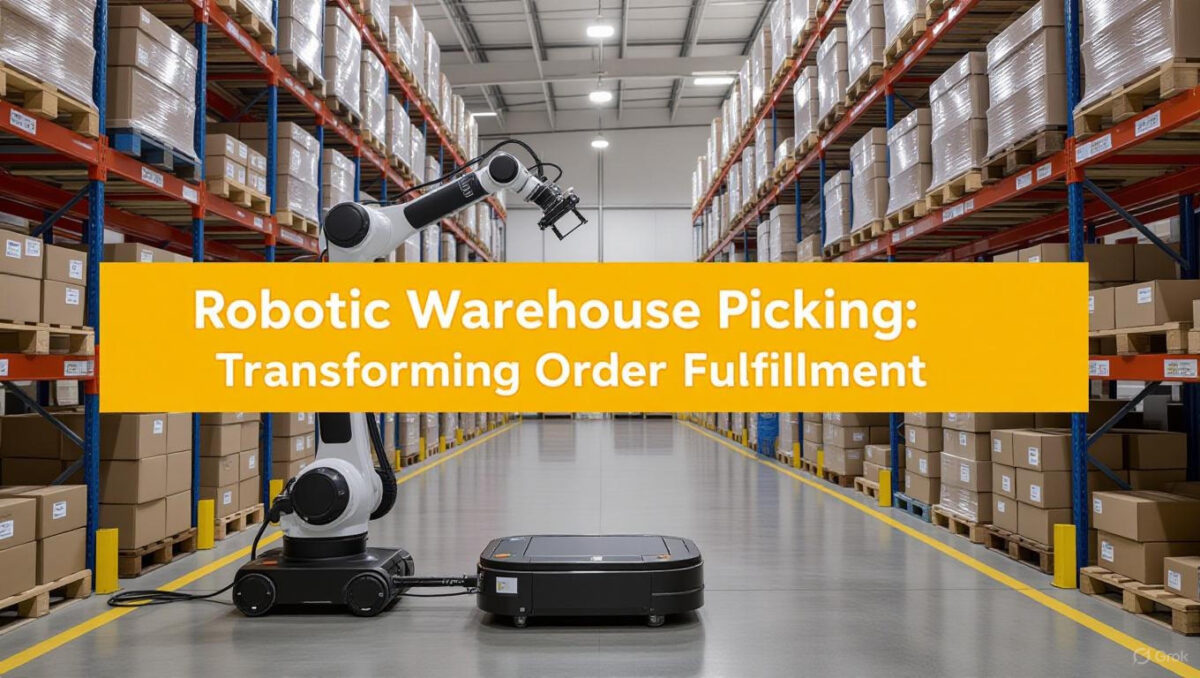
Robotic picking systems refer to automated machines that assist or fully take over the picking process in warehouses. These robots are designed to pick products from shelves or bins and transport them to the next stage in the warehouse, such as sorting or packing areas. Equipped with advanced sensors, AI-powered vision systems, and gripping tools, these systems are capable of identifying and picking various types of products, including irregularly shaped or fragile items.

Unlike traditional manual picking, which requires human workers to travel through aisles and pick items individually, robotic picking system uses machines that can handle a wide range of tasks. These robots work seamlessly with other automation technologies, such as warehouse robots for transport and sorting systems for packaging.

Benefits:

  • Faster picking with automated systems.
  • Reduced human error and improved accuracy.
  • Greater scalability as businesses can quickly expand operations.

How Robotic Picking Systems Are Revolutionizing Warehouse Operations

2. Speeding Up the Order Fulfillment Process

One of the most significant ways robotic picking system is revolutionizing warehouse operations is by increasing the speed of order fulfillment. With traditional manual picking, workers need to move from one shelf to another, often losing valuable time. Picking robots in warehouses can retrieve products faster and more accurately, cutting down the time spent on each order.

These robots operate 24/7, ensuring that warehouses can meet the demands of round-the-clock e-commerce. They eliminate delays caused by shift changes, breaks, or human fatigue, and ensure that orders are processed quickly and with minimal downtime.

Benefits:

  • Faster order picking for quicker deliveries.
  • Increased warehouse throughput by eliminating downtime.
  • Higher productivity with robots working non-stop.

3. Reducing Labor Costs and Increasing Efficiency

Robotic picking system helps businesses reduce labor costs by automating a significant portion of the picking process. By deploying robots in warehouse picking, companies can decrease their reliance on manual labor for routine tasks. This reduces wage expenses, particularly for low-skill, high-turnover jobs.

In addition, warehouse automation robotics are designed to work alongside human workers, handling tasks that are repetitive or physically demanding. This allows human employees to focus on higher-value tasks, such as quality control, customer service, and supervising robots. The automation of picking tasks also leads to fewer errors and faster processing, improving overall warehouse efficiency.

Benefits:

  • Lower labor costs with robotic assistance.
  • Improved efficiency in order fulfillment.
  • Greater productivity with robots handling repetitive tasks.

The Role of Robots in Warehouse Logistics

4. Warehouse Robots and Their Integration with Picking Systems

Warehouse robots play a critical role in the success of robotic picking systems. These robots are responsible for transporting the items that picking robots retrieve to different areas within the warehouse, such as sorting stations or packing areas. The integration of robots in warehouse logistics ensures that goods flow seamlessly throughout the facility, eliminating bottlenecks and optimizing storage and transport.

By working alongside robotic picking system, warehouse robots can improve the efficiency of the entire supply chain by facilitating quicker material movement, better inventory management, and smarter storage solutions.

Benefits:

  • Seamless integration between picking robots and warehouse robots.
  • Optimized warehouse flow with automated transport and picking systems.
  • Improved storage and retrieval through integrated systems.

5. Increasing Accuracy in Picking and Inventory Management

Accuracy is one of the most important factors in warehouse operations, and robotic picking systems significantly improve accuracy. Unlike human workers, who are prone to mistakes, robots can work with high precision, ensuring that the right items are picked and placed in the correct packaging. With warehouse robots equipped with vision systems, AI, and machine learning, they can also track and update inventory in real-time, reducing the risk of stockouts or overstocking.

This improved inventory accuracy leads to better demand forecasting, more efficient supply chain management, and fewer customer complaints about incorrect orders. It also minimizes the waste generated by mis-picks and returns.

Benefits:

  • Higher accuracy in picking and order fulfillment.
  • Real-time inventory tracking with robotic systems.
  • Reduced error rates in order picking and inventory management.

The Future of Robotic Picking Systems in Warehousing

6. Emerging Trends in Robotic Picking Systems

As robotic picking system continue to evolve, new advancements are improving their capabilities. Some of the emerging trends include:

  • AI-powered robots capable of adaptive picking, allowing them to handle a wider variety of products.
  • Collaborative robots (cobots) that work alongside human workers, providing assistance with physically demanding tasks.
  • Robotic arms equipped with grippers and vision systems for more complex picking tasks.

As these trends develop, we can expect robotic systems to become even more intelligent and efficient, enhancing the future of warehouse automation and order fulfillment.

Benefits:

  • Smarter robots capable of handling complex tasks.
  • Increased flexibility in adapting to different warehouse environments.
  • Future-proof technology for businesses in warehousing and logistics.

Conclusion

Robotic picking systems are transforming warehouse operations by increasing efficiency, reducing labor costs, and improving order accuracy. As businesses demand faster processing times and more scalable solutions, the role of picking robots in warehouses continues to grow. These robotic warehouse systems are revolutionizing how products are retrieved, sorted, and delivered, offering businesses a competitive edge in a rapidly evolving logistics industry.

The future of warehouse automation robotics is promising, with innovations in AI, machine learning, and collaborative robots pushing the boundaries of what’s possible in warehouse operations. By adopting robotic picking system, businesses can improve warehouse efficiency, reduce operational costs, and scale their operations to meet growing demand.


Start Implementing Robotic Picking Systems Today

Interested in improving your warehouse operations with robotic picking systems? Subscribe to our newsletter for the latest insights on warehouse robotics, automation technologies, and how robotic picking systems can transform your logistics operations. Or download our free guide to get started with robotic warehouse systems today!

What Are Autonomous Mobile Robots and How Are They Used?

Introduction

As automation continues to revolutionize industries worldwide, one of the most exciting innovations in the logistics sector is the rise of autonomous mobile robots (AMRs) in warehouses. These intelligent machines are capable of navigating complex warehouse environments, performing tasks like inventory transport, order picking, and sorting goods without the need for human intervention.

In this blog, we’ll explore what autonomous mobile robots are, how AMR robots in warehouses are used to streamline warehouse automation, and the advantages they bring to businesses looking to enhance operational efficiency.


What Are Autonomous Mobile Robots (AMRs)?

1. Defining Autonomous Mobile Robots (AMRs)

Autonomous Mobile Robots (AMRs) are robots equipped with advanced navigation systems, sensors, and artificial intelligence (AI) that enable them to perform tasks in a warehouse without human intervention. Unlike traditional automated guided vehicles (AGVs), which follow predetermined paths or tracks, AMRs are highly autonomous and can make real-time decisions, adapt to dynamic environments, and choose the most efficient paths to complete their tasks.

AMRs are designed to transport materials, move inventory, and assist with a variety of warehouse operations, including order picking, sorting, and inventory management. They are powered by advanced algorithms and machine learning, enabling them to learn from their environment and improve their performance over time.

Benefits:

  • Flexible navigation without fixed paths.
  • Real-time decision-making based on environmental data.
  • Increased autonomy in performing tasks within the warehouse.

How Are AMR Robots Used in Warehouses?

2. Improving Material Handling with AMRs

One of the primary uses of autonomous mobile robots in warehouses is material handling. AMRs are responsible for transporting goods from one area of the warehouse to another, including delivering products to picking stations, moving materials to packaging areas, or sorting inventory.

Unlike traditional forklifts or conveyor belts, AMRs can autonomously navigate around obstacles, avoid collisions, and choose the most efficient routes within the warehouse. This increased flexibility enables AMRs to work in dynamic environments, making them ideal for modern warehouses where tasks can change quickly based on demand.

Benefits:

  • Increased flexibility in warehouse transportation.
  • Seamless integration with other warehouse systems (e.g., robotic arms, conveyors).
  • Efficient material handling with reduced human labor.

3. Enhancing Order Fulfillment with AMRs

AMRs are also used in order fulfillment processes, including picking and packing. These robots can navigate the warehouse to retrieve items from shelves and bring them to packing stations. By using sensors and RFID tags, AMRs are able to locate specific products quickly and accurately.

The automation of the order picking process with AMRs increases the speed at which products are selected, reduces human error, and ensures that the right items are picked and delivered for shipping. Additionally, AMRs can work alongside other robots, such as robotic arms, to automate the entire order fulfillment process.

Benefits:

  • Faster order picking and improved accuracy.
  • Reduced human error and mistakes in order fulfillment.
  • Increased throughput and warehouse productivity.

The Role of AMRs in Warehouse Automation

4. Integrating AMRs into Warehouse Robotics Systems

AMRs are an essential part of the larger warehouse robot system. They work in tandem with other robotic systems, such as robotic arms, sorting systems, and automated conveyors, to create fully automated and integrated warehouse solutions. AMRs transport materials across the warehouse, while other robots handle tasks like sorting, packing, and labeling.

This integration enables warehouses to run more smoothly, with real-time communication between AMRs and other systems to optimize workflows. For example, AMRs can deliver products to robotic arms, which can then package them for shipment, streamlining the entire order fulfillment process.

Benefits:

  • Seamless integration with other robotic systems for a more efficient workflow.
  • Real-time communication between robots for optimized operations.
  • Reduced downtime as robots work together to complete tasks.

5. Reducing Labor Costs with AMRs

One of the most significant benefits of using AMRs in warehouses is the reduction in labor costs. By automating material handling, order picking, and inventory transport, warehouses can reduce their reliance on human labor for repetitive tasks. This leads to lower operational costs and allows human workers to focus on more complex or value-added tasks, such as quality control or customer service.

Since AMRs can work around the clock without the need for breaks or shifts, they also increase overall warehouse capacity and throughput without additional labor costs. Additionally, AMRs can optimize workflows, reducing the number of errors associated with manual labor.

Benefits:

  • Lower labor costs through automation.
  • Increased efficiency without the need for additional labor.
  • 24/7 operation without downtime.

The Impact of AMRs on Warehouse Efficiency

6. Increasing Efficiency with AMRs

Autonomous mobile robots are designed to operate in dynamic environments, allowing them to adapt quickly to changes in warehouse layouts or workflows. AMRs can autonomously navigate around obstacles, find the most efficient paths, and perform tasks with higher accuracy and speed than human workers.

By automating the most repetitive and time-consuming tasks, AMRs improve the speed and accuracy of warehouse operations. With their ability to work continuously, AMRs ensure that warehouses can meet the increasing demands of e-commerce and logistics while reducing the risk of human error.

Benefits:

  • Faster processing and order fulfillment times.
  • Improved accuracy in inventory management and order picking.
  • Better scalability to accommodate growth in demand.

7. Enhancing Warehouse Safety with AMRs

In addition to improving efficiency, AMRs also enhance warehouse safety. By automating tasks like material transport and picking, AMRs reduce the risk of accidents that are common with traditional manual labor, such as workers lifting heavy items or navigating narrow aisles. The sensors and AI integrated into AMRs allow them to detect obstacles and avoid collisions, ensuring safe operations in the warehouse.

Furthermore, as AMRs take over dangerous or repetitive tasks, human workers are freed to perform tasks that require more judgment, reducing their exposure to potentially hazardous conditions.

Benefits:

  • Safer work environment for human employees.
  • Reduced risk of workplace injuries from manual tasks.
  • Autonomous navigation ensures safety by avoiding obstacles.

Conclusion

Autonomous mobile robots (AMRs) are transforming the logistics and warehousing industries by automating tasks such as material handling, order picking, and inventory management. The integration of AMRs into warehouse robotics systems is improving operational efficiency, reducing labor costs, and enhancing warehouse safety.

As AMRs become smarter, more adaptable, and integrated with other robotic systems, their role in warehouse automation will continue to grow, leading to faster, more accurate, and cost-effective warehouse operations. The future of logistics is undoubtedly robotic, and AMRs are at the forefront of this revolution.


Start Implementing AMRs in Your Warehouse Today

Interested in enhancing your warehouse with autonomous mobile robots? Subscribe to our newsletter for the latest updates on AMR robots warehouse, warehouse robotics systems, and how AMRs can improve your logistics operations. Or download our free guide to start integrating autonomous mobile robots into your warehouse today!

Types of Warehouse Robots and Their Impact on Operations

Introduction

The logistics and warehousing industry is undergoing a revolution thanks to the integration of different types of warehouse robots. From automated picking to inventory management, robotic warehouse systems are transforming the way goods are moved, sorted, and stored. As the demand for faster, more efficient warehouse operations grows, the use of warehouse robots has become essential for businesses striving to stay competitive in a fast-paced market.

In this blog, we will explore the different types of warehouse robots, how each contributes to improving operational efficiency, and how robotic warehouse automation is reshaping the future of warehousing and logistics.


What Are Warehouse Robots?

1. Defining Warehouse Robots

Warehouse robots are machines designed to perform specific tasks within a warehouse, such as sorting, picking, transporting, and packaging goods. These robots are equipped with advanced sensors, artificial intelligence (AI), and machine learning algorithms that enable them to navigate the warehouse environment and perform tasks autonomously or collaboratively with human workers.

Unlike traditional manual labor, warehouse robots can work continuously, making them ideal for high-volume environments where speed and accuracy are crucial. The automation of routine tasks like robotic warehouse picking and sorting helps businesses improve productivity, reduce operational costs, and streamline warehouse workflows.

Benefits:

  • Faster and more accurate operations.
  • Reduced labor costs and human error.
  • Increased scalability in warehouse operations.

Types of Warehouse Robots

2. Autonomous Mobile Robots (AMRs)

Autonomous mobile robots (AMRs) are one of the most common types of warehouse robots used today. These robots are designed to move products and materials around the warehouse without human intervention. AMRs use advanced navigation systems, sensors, and machine learning algorithms to avoid obstacles, find the most efficient paths, and navigate complex warehouse environments.

AMRs can be used for material transport, moving goods from storage areas to sorting stations or packaging areas. By automating these tasks, AMRs increase the speed and efficiency of warehouse operations, allowing businesses to meet high demand with fewer human workers.

Benefits:

  • Increased flexibility and adaptability in warehouse operations.
  • Reduced congestion and improved warehouse flow.
  • Faster material handling with continuous operation.

3. Robotic Arms

Robotic arms are used for sorting, picking, and packaging products in warehouses. These robots are highly precise and can handle delicate items or complex tasks that would be difficult for human workers. Robotic arms are often used for automated picking in environments where speed and accuracy are essential.

In a typical warehouse, robotic arms pick items from shelves and place them into containers or boxes for packing and shipping. These robots can handle multiple product types, including fragile or heavy items, improving both speed and safety in the picking process.

Benefits:

  • High precision in picking and sorting.
  • Increased speed in packing and order fulfillment.
  • Adaptability for various product types and sizes.

4. Automated Guided Vehicles (AGVs)

Automated guided vehicles (AGVs) are another type of robotic warehouse system used to transport goods and materials within the warehouse. Unlike AMRs, AGVs follow a fixed path (such as a pre-defined track or rail system) to move items between stations. These robots are commonly used in material handling and inventory transport within warehouses.

AGVs are often integrated with other robotic systems, such as robotic arms and sorting systems, to create fully automated material handling solutions. By using AGVs, warehouses can automate the transport of goods, reduce human labor and increase productivity.

Benefits:

  • Cost-effective automation for material transport.
  • Reduced manual labor and increased operational efficiency.
  • Improved warehouse organization through automated transport.

5. Collaborative Robots (Cobots)

Collaborative robots (or cobots) are designed to work alongside human workers to assist with various tasks. Unlike traditional robots that operate independently, cobots interact directly with humans and are often used in tasks that require flexibility and human judgment. In warehouses, cobots can be used for picking, sorting, packaging, and even quality control.

One of the key advantages of cobots is that they are designed to work safely alongside human workers. They are equipped with safety sensors that allow them to stop immediately if they sense an obstacle, ensuring that they don’t pose a risk to human safety.

Benefits:

  • Enhanced collaboration between robots and human workers.
  • Increased flexibility and adaptability in various warehouse tasks.
  • Improved safety in the workplace due to integrated safety features.

The Impact of Warehouse Robotics on Operational Efficiency

6. Streamlining Warehouse Operations with Automation

One of the main benefits of robotic warehouse systems is the streamlining of warehouse operations. By automating repetitive tasks such as sorting, picking, and transporting, warehouse robots free up human workers to focus on more complex tasks. This leads to higher productivity, faster order fulfillment, and a more efficient use of warehouse space.

The integration of robots in warehouse logistics allows businesses to meet growing demand while maintaining high levels of operational efficiency. This automation also helps businesses respond to fluctuations in customer demand and scale their operations accordingly.

Benefits:

  • Increased throughput and faster order processing.
  • Optimized space utilization in warehouses.
  • Scalable systems that grow with business needs.

7. Reducing Operational Costs with Warehouse Robotics

The integration of warehouse robotics significantly reduces operational costs. By automating routine tasks, businesses can reduce their dependence on human labor, which lowers labor costs. Additionally, robotic warehouse solutions can work continuously, reducing downtime and improving warehouse efficiency.

As robotic systems become more affordable and advanced, the long-term return on investment (ROI) for robotics in warehouse management continues to increase. The reduction in human error and increased productivity make warehouse robotics a cost-effective solution for businesses looking to improve their bottom line.

Benefits:

  • Lower labor costs through automation.
  • Increased ROI due to improved efficiency.
  • Reduced downtime with continuous robot operation.

The Future of Warehouse Robots

8. The Role of Robotics in the Future of Warehousing

As robotics technology continues to evolve, the role of robots in warehouses will become even more significant. AI-powered robots, machine learning, and advanced sensors will further enhance the capabilities of robotic warehouse systems, allowing for smarter, more adaptable automation solutions.

In the future, collaborative robots (cobots) will likely become more common, working alongside humans in tasks that require flexibility and decision-making. Additionally, the continued development of autonomous mobile robots (AMRs) and robotic arms will lead to more efficient, autonomous warehouses that require minimal human intervention.

Benefits:

  • Smarter robots with AI and machine learning capabilities.
  • More adaptable warehouse systems.
  • Greater automation in warehouse operations.

Conclusion

Warehouse robots are transforming logistics and supply chain operations by improving efficiency, reducing labor costs, and enhancing order fulfillment speeds. From autonomous mobile robots to robotic arms and collaborative robots, the types of warehouse robots being developed are improving the way businesses manage inventory, process orders, and handle materials.

As robotic warehouse systems continue to evolve, the warehouse robotics market will only expand, offering even greater opportunities for warehouse automation. The future of warehousing is undoubtedly robotic, and businesses that adopt these technologies will have a competitive edge in the fast-paced logistics industry.


Start Implementing Warehouse Robotics Today

Ready to optimize your warehouse operations with warehouse robots? Subscribe to our newsletter for the latest updates on robotic warehouse systems, warehouse automation technologies, and how robots in warehouses can improve your logistics operations. Or download our free guide to start integrating warehouse robotics into your business today!

Exploring Warehouse Robotics Companies: Innovation

Introduction

The evolution of warehouse robotics has been one of the most significant developments in the logistics and supply chain industry. Warehouse robotics companies are at the forefront of this revolution, offering robotic warehouse solutions that enhance efficiency, productivity, and cost-effectiveness in warehouse operations. From automated material handling to intelligent sorting systems, robots in warehouse environments are transforming the way goods are managed, stored, and transported.

In this blog, we will explore the role of warehouse robotics companies, the innovation driving these companies forward, and how investment in robotic warehouse systems is changing the landscape of warehouse management.


What Are Warehouse Robotics Companies?

1. Defining Warehouse Robotics Brands

Warehouse robotics companies are businesses that design, manufacture, and provide robotic warehouse solutions. These companies are pioneering the integration of robotic systems into warehouses and distribution centers to automate tasks like order picking, inventory management, sorting, and transportation of goods. The goal is to increase operational efficiency, reduce human error, and minimize labor costs while improving overall warehouse performance.

These companies leverage technologies such as AI, machine learning, autonomous mobile robots (AMRs), and robotic arms to create cutting-edge warehouse robotics systems that can handle tasks traditionally performed by human workers.

Benefits:

  • Automation of repetitive and time-consuming tasks.
  • Enhanced operational efficiency and scalability.
  • Lower labor costs and reduced dependency on human workers.

The Role of Warehouse Robotics Companies in the Logistics Industry

2. Driving Innovation in Warehouse Robotics Systems

Warehouse robotics companies are the driving force behind the rapid adoption of automation in warehouses. These companies are innovating by creating robots that not only perform basic tasks but also interact with warehouse management systems (WMS), IoT devices, and other technologies to optimize warehouse operations.

For example, robotic warehouse solutions are becoming more intelligent with AI-powered robots that can navigate complex environments, avoid obstacles, and adapt to changes in the warehouse. These advancements are helping businesses keep pace with increasing demand and improve operational workflows.

Benefits:

  • Innovative robot designs for a wide range of warehouse tasks.
  • AI-powered robots for smarter decision-making and improved workflows.
  • Seamless integration with existing warehouse systems.

3. Warehouse Robotics Brands and Their Impact on Warehouse Management

The integration of robotic systems into warehouse management processes is a game-changer for businesses. Robots in warehouse environments are capable of performing complex tasks such as inventory tracking, order picking, sorting, and material handling. This automation helps businesses improve the accuracy and speed of their operations while reducing the risk of human error.

Many warehouse robotics companies focus on creating systems that integrate seamlessly with existing warehouse management software. This allows businesses to automate tasks and streamline workflows without having to overhaul their entire system. The introduction of robotic warehouse solutions enables companies to meet growing consumer demand and improve efficiency in fulfillment centers and distribution hubs.

Benefits:

  • Faster inventory tracking and order picking.
  • Optimized workflows through automation.
  • Increased accuracy in order fulfillment.

The Investment in Warehouse Robotics Brands

4. How Investment is Fueling Growth in Warehouse Robotics

The market for warehouse robotics systems is growing rapidly, and investment in warehouse robotics companies has surged in recent years. Venture capitalists, large corporations, and private investors are pouring resources into these companies to help them scale and develop more advanced technologies.

With the increasing demand for automation and efficiency in warehouses, investors are recognizing the potential of robotic warehouse solutions to revolutionize the industry. As warehouse robotics companies continue to innovate, their products are attracting more investment, enabling them to push the boundaries of what’s possible in warehouse automation.

Benefits:

  • Increased funding for research and development in warehouse robotics.
  • Acceleration of innovation through investment in new technologies.
  • Expansion opportunities for robotics companies as they scale operations.

Key Players in the Warehouse Robotics Market

5. Leading Warehouse Robotics Manufacturers

Several warehouse robotics companies have emerged as leaders in the market, providing advanced solutions that are driving change across the industry. Some of the top players in the space include:

  • Amazon Robotics: Known for its use of Kiva robots to automate order picking and transport in Amazon’s fulfillment centers.
  • Locus Robotics: Specializes in autonomous mobile robots for warehouse automation and order fulfillment.
  • GreyOrange: Offers robotic automation systems that integrate with existing warehouse management systems.
  • 6 River Systems: Provides collaborative robots (cobots) to assist warehouse workers in picking and sorting.

These companies are at the forefront of innovation, continually developing new solutions to enhance the efficiency and capabilities of robotic warehouse systems.

Benefits:

  • Collaboration with top players to stay ahead of market trends.
  • Access to cutting-edge technologies and solutions.
  • Improved scalability and flexibility in warehouse operations.

The Future of Warehouse Robotics: Opportunities and Challenges

6. What’s Next for Warehouse Robotics Brands?

As the demand for warehouse robotics continues to grow, warehouse robotics companies are exploring new opportunities and facing challenges in the market. The future of robotic warehouse systems will likely see the continued evolution of AI-powered robots, collaborative robots (cobots), and autonomous mobile robots (AMRs). These robots will become smarter, more efficient, and more capable of performing complex tasks.

However, there are challenges to overcome, such as the cost of implementation, the need for integration with existing warehouse systems, and the potential impact of automation on the workforce. Despite these challenges, the future of robotic warehouse solutions looks bright, and companies that invest in these technologies will be well-positioned to succeed in an increasingly automated world.

Benefits:

  • Growth of AI-powered robots for smarter automation.
  • Better integration with existing logistics systems.
  • Opportunities for continuous improvement and innovation.

Conclusion

Warehouse robotics companies are leading the charge in transforming the logistics and warehousing industries. Through their innovative robotic warehouse solutions, these companies are streamlining operations, improving accuracy, and reducing costs. As demand for automation continues to rise, warehouse robotics systems will become even more integral to warehouse and supply chain operations.

Investing in warehouse robotics is an opportunity for businesses to stay ahead of the competition, improve their efficiency, and prepare for the future of logistics. As the technology continues to evolve, robotic systems will be essential for businesses that want to meet the growing demands of the global marketplace.


Start Exploring Warehouse Robotics Solutions Today

Interested in how warehouse robotics companies can help improve your operations? Subscribe to our newsletter for the latest insights on robotic warehouse systems, warehouse automation technologies, and how warehouse robotics can enhance your supply chain. Or download our free guide to discover how robotic warehouse solutions can transform your warehouse operations today!

Understanding the Meaning and Purpose of Warehouse Robots

Introduction

The use of robots in warehouses has become a cornerstone of modern logistics, transforming how goods are stored, sorted, and transported. But what exactly are warehouse robots, and how are they revolutionizing warehouse operations? In this blog, we will explore the meaning and purpose of warehouse robots and discuss their growing role in industries worldwide.

From Amazon robots warehouse to cutting-edge robotic warehouse systems, robots are enhancing the speed, accuracy, and efficiency of warehouse tasks. Whether it’s picking, sorting, or transporting, warehouse robots are reshaping logistics as we know it.


What Are Warehouse Robots?

1. Defining Warehouse Robots (仓库机器人意思)

In simple terms, warehouse robots (仓库机器人意思) are autonomous or semi-autonomous machines designed to perform specific tasks within a warehouse or distribution center. These robots are equipped with sensors, cameras, and AI-powered algorithms, allowing them to navigate the warehouse, pick items, and interact with other systems. Unlike traditional automated systems that rely on fixed paths, warehouse robots can navigate freely and adapt to changes in the environment.

Warehouse robots can be used for a variety of purposes:

  • Picking items from shelves and bins.
  • Sorting products by type, size, or weight.
  • Transporting goods to different parts of the warehouse.

These robots are built to work alongside human employees, improving the speed and accuracy of operations while reducing human error and physical strain.

Benefits:

  • Enhanced accuracy in order fulfillment and inventory management.
  • Improved efficiency with faster sorting and picking processes.
  • Reduced physical strain on human workers by automating repetitive tasks.

How Warehouse Robots Are Transforming Operations

2. The Role of Robots in Warehouse Operations

The role of robots in warehouses is expanding rapidly as industries seek to improve operational efficiency and reduce costs. Warehouse robots are designed to automate routine tasks such as picking, sorting, and packing products, allowing human workers to focus on more complex tasks, such as quality control or customer service.

For example, warehouse robot picking is one of the most common applications in modern fulfillment centers. Robots are programmed to identify and retrieve specific items from shelves based on order requirements. These robots use vision systems and RFID technology to find and accurately pick items, ensuring a faster and more reliable picking process.

Benefits:

  • Faster order picking and improved throughput.
  • Reduced human error in picking and sorting.
  • Higher productivity with robots handling repetitive tasks.

3. Amazon Warehouse Robots: A Leading Example

One of the most prominent examples of warehouse robots in action is Amazon Robotics, formerly known as Kiva Systems. Amazon employs robots in Amazon warehouses to automate the picking, packing, and sorting of products. Amazon robots work alongside human employees, fetching shelves of products and delivering them to workers who pick the required items.

This integration of robotic warehouse systems in Amazon’s fulfillment centers has revolutionized its ability to handle large volumes of orders efficiently. Amazon robots warehouse are capable of working around the clock, reducing the time it takes to fulfill customer orders, increasing the speed of product processing, and reducing operational costs.

Benefits:

  • Increased order fulfillment speed in Amazon’s global warehouses.
  • Better space utilization through robot-driven systems.
  • Faster inventory management and product retrieval.

The Benefits of Warehouse Robotics

4. Enhancing Operational Efficiency

One of the primary benefits of robotic warehouse systems is the ability to optimize warehouse operations. A Warehouse robot is designed to handle repetitive, time-consuming tasks at a much faster pace than humans. This increases the throughput of products in and out of the warehouse, ensuring that orders are filled more efficiently.

Robotic warehouse automation helps eliminate bottlenecks and delays in the supply chain by automating manual processes. Robots can work continuously without rest, unlike human workers, which allows businesses to meet growing demand without increasing labor costs.

Benefits:

  • Higher throughput with automated tasks.
  • Increased scalability as warehouse capacity grows.
  • Optimized workflows for faster product movement.

5. Reducing Labor Costs

Warehouse robots help companies reduce their labor costs by automating routine tasks that would typically require human labor. With robotic systems handling tasks such as sorting, picking, and transporting, warehouses can reduce the number of employees required for manual labor, which in turn reduces labor costs.

Additionally, robotic warehouse systems can work 24/7, eliminating the need for shift-based labor and enabling warehouses to operate around the clock without incurring additional expenses.

Benefits:

  • Lower labor costs due to automation.
  • 24/7 operation without human constraints.
  • Reduced reliance on temporary or seasonal labor.

Warehouse Robotics in Supply Chain

6. Improving Warehouse Robotics in Supply Chain Efficiency

As businesses strive to enhance their supply chain efficiency, warehouse robots are playing an increasingly critical role. The integration of robotic systems in warehouses helps businesses manage their inventory, track goods in real-time, and streamline logistics operations.

Warehouse robots enable real-time inventory updates, reducing the risk of stockouts or overstocking. This leads to better demand forecasting, improved supply chain visibility, and optimized operations. As warehouse robotics technology continues to advance, it will become even more integrated into global supply chains, helping businesses respond to changing market conditions and customer demands more efficiently.

Benefits:

  • Real-time tracking and inventory management.
  • Improved supply chain visibility and demand forecasting.
  • Streamlined logistics for faster response times.

The Future of Warehouse Robots

7. The Role of Robotics in the Future of Warehousing

The future of warehouse robot looks promising, with continuous advancements in AI, machine learning, and robotic systems. As robotics in warehouse operations evolves, robots will become even more capable, handling a broader range of tasks and integrating seamlessly with other technologies like IoT and 5G.

In the near future, warehouse robot may be able to perform more complex tasks, such as self-maintenance and adaptive inventory management, further reducing the need for human intervention. Additionally, the rise of collaborative robots (cobots) will allow robots and humans to work side by side more effectively, boosting efficiency and safety in warehouses.

Benefits:

  • AI-powered robots for smarter decision-making and adaptability.
  • Greater autonomy with self-maintenance capabilities.
  • Enhanced collaboration between robots and human workers.

Conclusion

Warehouse robot is changing the way logistics and supply chains function, offering businesses faster, more efficient, and cost-effective ways to handle inventory, sorting, and order fulfillment. From robotic warehouse systems to robots in Amazon warehouses, the integration of robotics in warehouse operations is paving the way for a more automated and scalable future in warehousing.

As technology continues to evolve, the role of warehouse robot will only grow, transforming the supply chain and logistics industries. Whether you’re a business looking to optimize your warehouse operations or simply curious about the future of automation, robotic warehouse systems are here to stay.


Start Implementing Warehouse Robotics Today

Interested in learning how warehouse robots can enhance your operations? Subscribe to our newsletter for insights on robotic warehouse systems, warehouse automation, and how robots in warehouses can optimize your supply chain. Or download our free guide to get started with warehouse robotics in your business today!

Recycling Center Simulator Warehouse Robot: The Future

Introduction

As the world’s population grows and the volume of waste increases, innovative solutions are being explored to manage recycling more effectively. One of the most promising advancements in waste management is the development of recycling center simulator warehouse robot. These robots are not just transforming how materials are sorted but also improving the efficiency, speed, and accuracy of recycling operations.

In this blog, we will explore how robot warehouse systems, particularly recycling center robots, are revolutionizing the waste management industry. We will also look at the broader role of warehouse robotics in automating various aspects of recycling and the future of waste management with advanced robotics.


What is a Recycling Center Simulator Warehouse Robot?

1. Understanding Recycling Center Simulator Warehouse Robots

A recycling center simulator warehouse robot is an advanced robotic system designed to automate the sorting and processing of recyclable materials. These robots are part of an integrated warehouse robot system that uses sensors, artificial intelligence (AI), and machine learning to identify, sort, and manage various types of waste.

The primary goal of these robots is to replace manual labor, which is often slow and inefficient, by automating the sorting process. They can accurately detect recyclable materials like paper, plastic, metal, and glass, and direct them into the appropriate bins for further processing. This automation not only speeds up the recycling process but also improves accuracy, reducing contamination and increasing recycling rates.

Benefits:

  • Efficient sorting of recyclable materials.
  • Reduced contamination of recyclables, leading to higher-quality materials.
  • Faster processing speeds in recycling facilities.

How Robots Are Revolutionizing Warehouse Robotics in Recycling

2. Robots Used in Warehouses: Transforming Recycling Centers

The introduction of robots in warehouses has been a game-changer for the recycling industry. In traditional recycling centers, workers manually sort materials, a process that is not only time-consuming but also prone to human error. Warehouse robots have revolutionized this process by performing sorting, handling, and packaging tasks autonomously, increasing throughput and accuracy.

For instance, robotic warehouse systems can use vision systems and AI algorithms to recognize and sort materials based on their type and composition. This automation allows the recycling process to be scaled up and streamlined, ensuring that recyclables are processed more quickly and efficiently.

Benefits:

  • High-speed sorting of recyclables with minimal human intervention.
  • Reduction in sorting errors and contamination.
  • Increased throughput in recycling facilities.

3. The Role of Warehouse Robots in Waste Management

Warehouse robots are playing an essential role in waste management by improving the sorting process, reducing labor costs, and enhancing overall efficiency. Robots used in warehouses for recycling are equipped with AI-powered sensors and advanced algorithms that allow them to learn from their environment, adapt to new tasks, and improve over time.

In addition to sorting, recycling center warehouse robots can also handle materials like cardboard, plastic packaging, and glass bottles, ensuring that each item is placed in the correct recycling stream. This automation reduces the reliance on manual labor, minimizes errors, and increases the overall speed of recycling operations.

Benefits:

  • Reduced labor costs through automation.
  • Improved sorting accuracy for better recycling outcomes.
  • Faster material processing with robot-assisted operations.

The Future of Recycling Center Robots: Advancements and Opportunities

4. The Impact of Robotics on the Future of Waste Management

As recycling center simulator warehouse robots continue to evolve, their impact on the waste management industry will only increase. The future of warehouse robotics in recycling will likely include robots that are even more intelligent, capable of handling more complex sorting tasks, and working in collaboration with other robotic systems.

Emerging trends in robotics technology for recycling include:

  • AI-powered robots with deep learning capabilities for better material identification.
  • Collaborative robots (cobots) that work alongside human workers for more complex tasks.
  • Robotic arms capable of picking up larger and more irregularly shaped objects.

As these technologies improve, the effectiveness of robotic warehouse systems in recycling centers will continue to grow, helping to meet the global challenges of waste management and environmental sustainability.

Benefits:

  • Smarter robots that adapt to complex recycling tasks.
  • Collaboration between robots and humans to maximize efficiency.
  • Better integration of robotic systems into the recycling process.

5. Reducing Environmental Impact with Automated Recycling

The environmental benefits of recycling center robots go beyond efficiency. By automating the sorting process, these robots help increase recycling rates, reduce landfill waste, and promote a more sustainable approach to waste management.

Robotics in warehouse automation allows for the creation of more eco-friendly and resource-efficient recycling systems. As automation in recycling grows, we can expect to see reductions in energy usage, contamination rates, and carbon footprints, which are crucial in the fight against climate change.

Benefits:

  • Improved recycling efficiency, leading to a cleaner environment.
  • Reduced contamination in recycled materials, making them more valuable.
  • Lower energy consumption and carbon emissions with optimized robot operations.

Conclusion

Recycling center simulator warehouse robots are changing the way the world handles waste. With their ability to automate the sorting and processing of recyclables, these robots not only improve the efficiency of recycling operations but also contribute to a more sustainable and eco-friendly waste management process. As warehouse robotics technology continues to advance, we can expect even more powerful robots that can tackle complex sorting tasks, improve recycling rates, and reduce environmental impact.

The future of robotic warehouse automation in waste management is bright, and as more companies adopt these technologies, we will see a significant shift toward more efficient, cost-effective, and sustainable recycling processes worldwide.


Start Exploring the Future of Robotic Waste Management Today

Interested in learning how recycling center simulator warehouse robots can improve your waste management operations? Subscribe to our newsletter for insights on the latest warehouse robotics innovations, automated recycling systems, and sustainable practices. Or download our free guide to get started with robotic warehouse solutions in waste management today!

The Role of Autonomous Mobile Robots in Warehouse Automation

Introduction

The world of logistics is continuously evolving, and one of the most significant advancements in recent years is the rise of autonomous mobile robots (AMRs) in warehouse automation. These robots are becoming an integral part of modern warehouses, helping businesses streamline operations, improve efficiency, and reduce costs. With their ability to navigate autonomously and perform essential tasks, autonomous mobile robots in warehouses are transforming how goods are moved, stored, and handled.

In this blog, we will explore the role of autonomous mobile robots in warehouse automation, their impact on warehouse logistics, and how robotic warehouse automation is shaping the future of the logistics industry.


What Are Autonomous Mobile Robots (AMRs)?

1. Defining Autonomous Mobile Robots (AMRs)

Autonomous Mobile Robots (AMRs) are robots designed to move goods and materials throughout a warehouse without the need for human intervention. These robots are equipped with advanced sensors, cameras, and AI-powered navigation systems that allow them to navigate the warehouse environment, avoid obstacles, and interact with other systems.

Unlike traditional automated guided vehicles (AGVs), which follow pre-determined paths or tracks, AMRs are highly flexible and adaptable. They can make real-time decisions, choose the most efficient routes, and even communicate with other robots or warehouse management systems (WMS) to optimize workflows.

Benefits:

  • Autonomous navigation for greater flexibility.
  • AI-powered decision-making to adapt to dynamic environments.
  • Scalable and adaptable to different warehouse needs.

The Role of AMRs in Warehouse Automation

2. Optimizing Material Handling and Transportation

One of the primary functions of autonomous mobile robots in warehouse automation is material handling. These robots are designed to move products, raw materials, and inventory across the warehouse, reducing the need for forklifts or manual labor. With AMRs handling the transportation of goods, warehouses can free up human workers to focus on tasks like sorting, packing, and inventory management.

AMRs are equipped with advanced navigation systems that allow them to autonomously map out their environment and select the most efficient routes to transport materials. These robots can easily navigate through tight spaces, high-density shelves, and crowded aisles, improving warehouse efficiency and throughput.

Benefits:

  • Faster material transportation within the warehouse.
  • Increased space utilization with flexible navigation.
  • Optimized workflow and reduced congestion in the warehouse.

3. Streamlining Inventory Management and Order Fulfillment

AMRs also play a crucial role in inventory management and order fulfillment. These robots are often integrated with warehouse management systems (WMS) to track inventory in real-time. As AMRs transport items from one location to another, they automatically update inventory records, ensuring accurate and up-to-date data on stock levels.

When it comes to order fulfillment, autonomous mobile robots can retrieve products from storage, deliver them to packing stations, and even assist in sorting them for shipping. This automated workflow speeds up the entire fulfillment process, reduces human error, and increases the accuracy of picking and shipping orders.

Benefits:

  • Real-time inventory tracking with automated updates.
  • Faster order picking and fulfillment processes.
  • Enhanced accuracy in inventory management.

How AMRs Improve Warehouse Efficiency

4. Enhancing Speed and Productivity

By automating the movement of goods and materials, autonomous mobile robots help warehouses achieve greater speed and productivity. Unlike traditional methods, which often require human workers to manually transport goods or wait for machinery to become available, AMRs can work continuously and efficiently, handling tasks in parallel without the need for breaks.

These robots are capable of operating 24/7, enabling round-the-clock warehouse operations. This ability to scale operations without the limitations of human work hours allows businesses to meet growing demand and increase throughput, especially during peak seasons.

Benefits:

  • Non-stop operation for increased productivity.
  • Reduced delays in material handling and order fulfillment.
  • Increased warehouse throughput and capacity.

5. Improving Safety and Reducing Human Error

Autonomous mobile robots also enhance warehouse safety by taking over high-risk tasks traditionally performed by human workers, such as transporting heavy loads or navigating hazardous areas. Since AMRs are designed to work autonomously, they can carry out these tasks with greater precision and without the risk of human injury.

Additionally, robots in warehouse logistics reduce the likelihood of human error in critical tasks like inventory management and order fulfillment. By automating repetitive tasks and minimizing manual interventions, AMRs help reduce mistakes and improve overall operational accuracy.

Benefits:

  • Reduced workplace injuries by eliminating hazardous tasks for humans.
  • Lower likelihood of human error in inventory and order management.
  • Safer work environment with autonomous robots.

The Future of Autonomous Mobile Robots in Warehouse Automation

6. Emerging Trends in AMRs and Warehouse Automation

The future of autonomous mobile robots in warehouse automation is promising, with continuous advancements in AI, machine learning, and robotics technology. As AMRs become smarter and more efficient, they will take on more complex tasks and integrate seamlessly into warehouse workflows.

Emerging trends in AMR technology include:

  • Advanced AI for real-time decision-making and route optimization.
  • Collaborative robots (cobots) that work alongside humans to handle tasks more efficiently.
  • Integration with other automation systems, such as robotic arms and automated sorting systems, to create fully integrated warehouse solutions.

As the demand for more efficient and scalable warehouse operations grows, AMRs will become even more crucial in shaping the future of warehouse automation.

Benefits:

  • Smarter robots with enhanced AI for better decision-making.
  • Seamless integration with other warehouse automation systems.
  • Greater scalability to meet future demands.

Conclusion

Autonomous mobile robots are at the forefront of warehouse automation, reshaping how warehouses handle material movement, inventory management, and order fulfillment. These robots are increasing efficiency, reducing labor costs, and improving safety within warehouses. By automating routine tasks and enhancing workflows, AMRs allow businesses to scale operations, reduce errors, and meet growing customer demands.

As robotic warehouse automation continues to evolve, the role of AMRs in warehouse logistics will only expand, bringing new possibilities for warehouses and distribution centers across industries. The future of warehouse automation is autonomous, and AMRs are leading the way.


Start Implementing AMRs in Your Warehouse Today

Interested in enhancing your warehouse with autonomous mobile robots? Subscribe to our newsletter for the latest insights on robotic warehouse automation, warehouse robotics, and how AMRs can streamline your warehouse operations. Or download our free guide to learn how to integrate autonomous mobile robots into your warehouse today!

How Robots are Changing Warehouse Operations: An Insight

Introduction

The logistics and warehousing industry is undergoing a profound transformation, largely due to the integration of robots in warehouses. From inventory management to order fulfillment, warehouse robotics technology is streamlining operations, increasing efficiency, and reducing costs. Robots are no longer just a futuristic concept; they are actively shaping the way warehouses operate.

In this blog, we will explore how warehouse robots are changing warehouse operations, the technology behind robotic warehouse systems, and the broader impact on the supply chain. Whether you are a business owner, logistics professional, or someone interested in the future of warehouse automation, this guide will provide you with valuable insights into the role of robots in warehouses.


What is Warehouse Robotics Technology?

1. Defining Warehouse Robotics Technology

Warehouse robotics technology refers to the use of robots, artificial intelligence (AI), machine learning, and automation systems to carry out tasks traditionally done by human workers in a warehouse. These tasks can include inventory management, picking, packing, sorting, and transporting goods. The primary advantage of using robotics in warehouses is that these systems can work autonomously, at a faster pace, and with higher precision than human workers.

These technologies work in tandem with other warehouse systems (like conveyor belts, AI-driven software, and autonomous mobile robots (AMRs)) to create a more efficient and seamless operation. As a result, businesses are able to scale their operations, reduce labor costs, and improve order fulfillment speed.

Benefits:

  • Higher efficiency with minimal human intervention.
  • Faster processing and order fulfillment.
  • Cost reduction through automation.

How Robots Are Changing Warehouse Operations

2. The Role of Robots in Warehouses

Robots in warehouses perform a wide range of functions that would otherwise require significant manual labor. They are not just limited to carrying out basic tasks; modern warehouse robots can handle complex processes, like inventory tracking, dynamic sorting, and automated picking.

Warehouse robots use sensors and cameras to navigate the warehouse, ensuring that products are picked, sorted, and transported without human assistance. Some of the most commonly used robots include autonomous mobile robots (AMRs), robotic arms, and automated guided vehicles (AGVs). These robots work together to create a fully integrated system that moves goods around the warehouse, increasing the overall speed and accuracy of warehouse operations.

Benefits:

  • Increased speed in picking and transporting goods.
  • Improved precision and accuracy in inventory management.
  • 24/7 operation without downtime.

3. Robotic Warehouse Automation: Streamlining Operations

Robotic warehouse automation refers to the use of robotics systems to automate tasks traditionally performed by human workers in warehouses. These tasks can include everything from picking and sorting to packaging and shipping.

The most significant advantage of warehouse robotics automation is that it reduces reliance on human labor for repetitive tasks, which often leads to inefficiencies, errors, and higher costs. By automating these tasks, robotic systems not only enhance efficiency but also reduce human error, resulting in faster and more accurate order fulfillment.

For example, robotic arms can sort products by type, size, and weight, while autonomous robots can transport those products to the correct location for packing or shipment. The seamless integration of these systems leads to faster fulfillment cycles and improved throughput.

Benefits:

  • Enhanced accuracy in inventory management and order picking.
  • Reduced labor costs and lower dependency on manual work.
  • Optimized workflows for smoother warehouse operations.

How Robots Are Enhancing the Warehouse Supply Chain

4. Robots Warehouse: Improving Supply Chain Efficiency

Robots warehouse are transforming the supply chain by enhancing inventory management and order fulfillment. As the backbone of warehouse operations, robots are now playing a critical role in how goods move through the entire supply chain. By automating material handling, sorting, and packaging, robots help streamline the supply chain, making it faster and more efficient.

For instance, AMRs can autonomously transport products to different parts of the warehouse, while robotic arms handle more complex tasks like sorting and packaging. These robots ensure that products are handled efficiently, reducing delays and increasing throughput.

Furthermore, the use of robots improves supply chain visibility. With real-time tracking and data integration, warehouse robots ensure that managers have accurate information about inventory levels, product movement, and order statuses, which allows for better decision-making and improved forecasting.

Benefits:

  • Faster shipping and delivery times.
  • Improved supply chain transparency with real-time data.
  • Better resource allocation through optimized processes.

5. Robotics in Warehouse Management

Robotics in warehouse management involves the integration of automated systems to optimize the entire warehouse operation, from receiving goods to final delivery. With robots in warehouses, businesses can track products more efficiently, reduce inventory errors, and even predict demand patterns with the help of AI-driven analytics.

Warehouse robots are integrated with warehouse management systems (WMS) to provide real-time data about inventory, product locations, and even product movement within the warehouse. This integration allows for better decision-making and ensures that the warehouse operates as efficiently as possible.

Benefits:

  • Streamlined warehouse management through automation.
  • Real-time data tracking and improved inventory visibility.
  • Smarter decision-making using AI and robotics.

The Future of Robotics Warehouse Technology

6. The Future of Robotic Warehouse Systems

As robotics warehouse technology continues to advance, we can expect more autonomous systems that are smarter, faster, and more adaptable to changing warehouse environments. The future of robots in warehouses will involve collaborative robots (cobots) working alongside human workers, enhancing the overall warehouse operation.

Future innovations in warehouse robotics will also include AI-powered robots, machine learning, and advanced sensors that allow robots to handle even more complex tasks. For example, robots might be able to predict inventory needs, autonomously place items in storage, or even self-maintain with predictive maintenance technologies.

Benefits:

  • Continued growth in robotic automation.
  • Smarter robots that learn and adapt to warehouse environments.
  • Increased efficiency through innovations in AI and robotics.

Conclusion

The integration of robots in warehouses is fundamentally changing the way logistics and supply chain operations are managed. From inventory tracking to order fulfillment, warehouse robotics technology is enabling faster, more efficient, and cost-effective warehouse operations. Robotic warehouse systems are not only improving the speed and accuracy of tasks but also allowing businesses to scale their operations and improve their supply chain performance.

As robotic warehouse automation continues to advance, the warehouse robotics market will only grow, offering businesses new opportunities to innovate and remain competitive in the fast-paced world of logistics. The future of robots in warehouses is bright, and it will continue to shape the future of warehousing and supply chain management.


Start Integrating Robotic Warehouse Systems Today

Interested in learning how robotic warehouse systems can improve your warehouse operations? Subscribe to our newsletter for the latest insights on warehouse robotics, automation technology, and the future of logistics robotics. Or download our free guide to start integrating robotic systems into your warehouse today!

Benefits of Robotic Warehouse Systems for Modern Logistics

Introduction

In the fast-paced world of logistics, efficiency and accuracy are crucial for success. Traditional warehouse operations, often reliant on manual labor, are now being replaced by robotic warehouse systems, revolutionizing how goods are stored, sorted, and shipped. The integration of warehouse robotics into logistics operations not only boosts productivity but also enhances safety, reduces errors, and lowers operational costs.

As warehouse robotics companies continue to innovate, robotic warehouse automation is becoming more widespread, changing the landscape of the warehouse robotics market. This blog will explore the numerous benefits of robotic warehouse systems and how they are shaping the future of modern logistics.


What Are Robotic Warehouse Systems?

1. Defining Robotic Warehouse Systems

Robotic warehouse systems refer to automated solutions designed to perform tasks traditionally done by human workers within a warehouse. These tasks include inventory management, order picking, sorting, and transporting goods. The key distinction between traditional warehouses and those employing robotic systems is the use of robots that operate autonomously or in collaboration with humans to streamline operations.

These systems often utilize autonomous mobile robots (AMRs), robotic arms, automated guided vehicles (AGVs), and AI-powered software to manage inventory and optimize workflows. Robotics warehouse automation can significantly reduce labor costs, improve order fulfillment times, and increase overall warehouse efficiency.

Benefits:

  • Increased operational efficiency.
  • Reduced dependency on human labor for repetitive tasks.
  • Faster order fulfillment and processing times.

The Benefits of Robotic Warehouse Systems

2. Increased Efficiency and Productivity

One of the most significant advantages of robotic warehouse systems is the increase in efficiency and productivity. Robots can work continuously, without the need for breaks, sleep, or shift changes, which allows warehouses to operate 24/7. This round-the-clock operation boosts productivity and reduces the overall time spent on inventory management and order fulfillment.

Robots can perform tasks such as sorting and picking much faster than humans, reducing the time required to retrieve and package products. Additionally, robots can work in environments that may be challenging for humans, such as tight spaces, high-density storage areas, and hazardous environments, increasing warehouse capacity and efficiency.

Benefits:

  • Non-stop operations without breaks or downtime.
  • Increased throughput and faster processing times.
  • Higher capacity for sorting, picking, and inventory management.

3. Improved Accuracy and Reduced Errors

Human error is inevitable in any manual process, but with robotic warehouse systems, the risk of errors is minimized. Robots can accurately pick, pack, and sort products with precision, ensuring that the right products are shipped to customers every time. Warehouse robotics can also track inventory levels in real-time, reducing the likelihood of stockouts or overstocking, which can lead to lost sales or excess inventory costs.

Automated systems are designed to follow predefined instructions to the letter, reducing mistakes in order fulfillment, inventory management, and product handling. This improvement in accuracy has a direct impact on customer satisfaction, as it leads to fewer returns, exchanges, and complaints.

Benefits:

  • Higher order accuracy and fewer shipping errors.
  • Real-time inventory tracking with automated systems.
  • Increased customer satisfaction due to fewer mistakes.

The Impact of Warehouse Robotics Companies on Modern Logistics

4. Advancements in Technology by Warehouse Robotics Companies

Warehouse robotics companies are continuously developing new and advanced technologies to improve the functionality and efficiency of robotic warehouse systems. These companies are introducing next-generation robots that are faster, smarter, and more adaptable than ever before.

AI and machine learning are being incorporated into warehouse robots, enabling them to learn from their environment and adapt to new tasks without human intervention. For example, robotic systems can now handle more complex tasks, such as identifying and categorizing items, managing stock, and performing quality control.

With the development of more intelligent robots, warehouse robotics is becoming more sophisticated, allowing businesses to tackle more complicated logistics challenges. These innovations help to create a more flexible, responsive, and scalable supply chain.

Benefits:

  • Advanced AI integration to improve decision-making.
  • Smarter robots that can handle complex tasks autonomously.
  • More efficient operations through continuous innovation.

5. Cost Savings in Labor and Operations

Although the initial investment in robotic warehouse systems can be significant, the long-term cost savings are considerable. By automating tasks traditionally performed by human workers, warehouses can reduce their reliance on manual labor, leading to lower labor costs. This is particularly important in industries with high labor turnover or where labor shortages exist.

Additionally, warehouse robotics help reduce other operational costs, such as energy consumption, storage inefficiencies, and errors in order fulfillment. The long-term savings from automated robotics warehouse systems are substantial, especially as these systems continue to scale and improve over time.

Benefits:

  • Lower labor costs through automation.
  • Reduced operational expenses related to human error and inefficiency.
  • Long-term cost savings as technology advances.

Warehouse Robotics Market and Its Growing Influence

6. The Growing Demand for Warehouse Robotics in the Market

The warehouse robotics market is expanding rapidly, as more and more businesses realize the advantages of automation. Warehouse robotics have become a vital part of logistics and supply chain management, with companies of all sizes adopting robotic systems to improve their efficiency and scalability.

From large retailers like Amazon and Walmart to smaller logistics providers, businesses are investing heavily in robotic warehouse systems. As demand for e-commerce continues to rise, the need for efficient, automated warehouses has never been greater. This trend is expected to continue as more robots in warehouses are integrated into supply chains across industries.

Benefits:

  • Increased demand for warehouse robotics solutions.
  • Greater adoption across various industries and warehouse sizes.
  • Expansion of the robotics market, with more companies implementing automation.

7. The Future of Warehouse Robotics and Automation

The future of robotic warehouse systems is exciting, with continuous advancements in AI, machine learning, and automation technology. As these systems become more intelligent and adaptable, they will play an even bigger role in the future of logistics and warehouse operations.

We can expect to see further integration of autonomous mobile robots (AMRs), robotic arms, and AI-powered software to optimize inventory management, order fulfillment, and supply chain operations. These innovations will enable warehouses to scale more easily, improve operational efficiency, and offer a better customer experience.

Benefits:

  • Continuous improvement of robotics technology.
  • Seamless integration with other supply chain and warehouse systems.
  • Sustainable growth for businesses adopting robotic systems.

Conclusion

Robotic warehouse systems are transforming the logistics and supply chain industries by increasing efficiency, reducing labor costs, and enhancing accuracy. As warehouse robotics companies continue to innovate, robotic warehouse automation will play an even larger role in shaping the future of warehouse operations.

With the ability to work around the clock, reduce human error, and optimize inventory management, robots are revolutionizing how goods are stored, sorted, and shipped. The warehouse robotics market is growing rapidly, and businesses are increasingly realizing the long-term benefits of automation.

By embracing robotic warehouse systems, companies can enhance their operational performance, lower costs, and position themselves for success in the competitive world of logistics.


Start Implementing Robotic Warehouse Systems Today

Interested in improving the efficiency of your warehouse operations? Subscribe to our newsletter for the latest updates on robotic warehouse systems, automation technology, and how you can enhance your warehouse operations. Or download our free guide to learn more about warehouse robotics and robotic warehouse automation.