Is Your Warehouse Ready for AI Robotics? A Pre-Implementation Checklist for Robotics Success

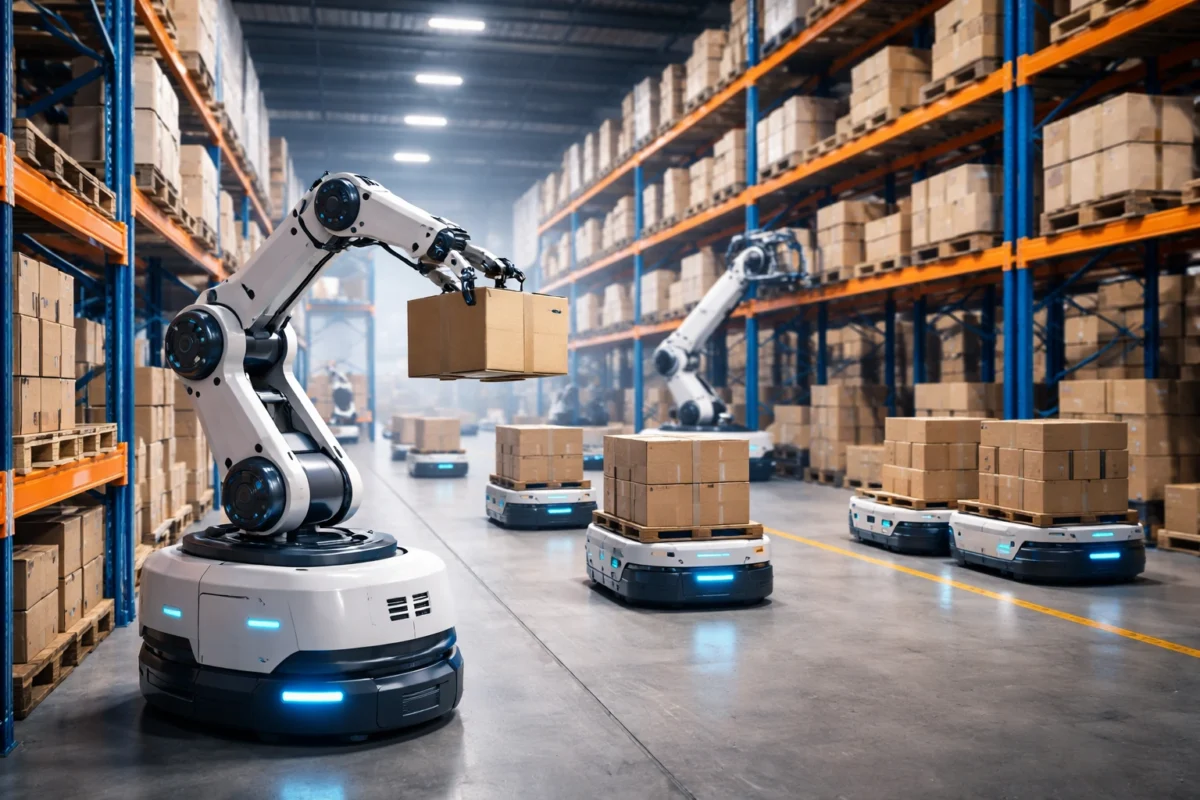
AI and robotics promise faster picking, fewer errors, and lower operating costs. But many warehouses rush into automation and fail to see results. The reason is simple. Robotics does not fix broken processes. It exposes them.
Before investing in robots, sensors, or AI-driven systems, warehouses must assess readiness. Layouts, data quality, staff skills, and integration plans matter more than the robots themselves. In this article, let’s take a look at the practical robotics implementation checklist to help you evaluate whether your warehouse is truly ready for AI and how to avoid costly missteps during deployment.
Why Readiness Matters More Than Technology
AI Robotics projects rarely fail because of hardware. They fail because the environment is not prepared.
AI systems depend on consistency. Robots rely on predictable workflows. If inventory data is inaccurate or aisles are poorly designed, automation slows down instead of speeding up operations.
Successful robotics adoption starts long before installation. It begins with process clarity, infrastructure alignment, and organizational readiness. Treat AI as a system-wide transformation, not a plug-and-play upgrade.
Step 1: Assess Operational Stability
Robots thrive in stable environments. If your warehouse processes change daily, AI will struggle.
Ask the following:
- Are picking routes standardized?
- Are SKUs clearly labeled and consistently stored?
- Are workflows documented and followed?
If human pickers rely on improvisation, robots will fail. AI needs rules before it can optimize them. Stabilize operations first, then automate.
Step 2: Evaluate Layout and Physical Infrastructure for AI Robotics
Warehouse layout directly affects robotic performance. Narrow aisles, uneven floors, or cluttered zones limit robot movement.
Key checks include:
- Clear aisle widths for robot navigation
- Flat, well-maintained flooring
- Defined zones for picking, packing, and charging
- Safe human-robot interaction areas
Robotics-friendly layouts reduce collision risk and improve uptime. If your warehouse layout evolved organically over years, redesign may be required before automation.
Step 3: Review Inventory Accuracy and Data Quality
AI systems are only as good as the data they receive. Poor data leads to poor decisions.
Before implementation, ensure:
- Inventory accuracy exceeds 98%
- SKU master data is clean and standardized
- Location data is precise and updated in real time
Robots depend on reliable digital twins of the warehouse. If physical reality does not match system records, robots will mis-pick, stall, or reroute inefficiently.
Also See: Cold Storage Robotics & Refrigerated Warehouses
Step 4: Check AI Robotics Integration Readiness
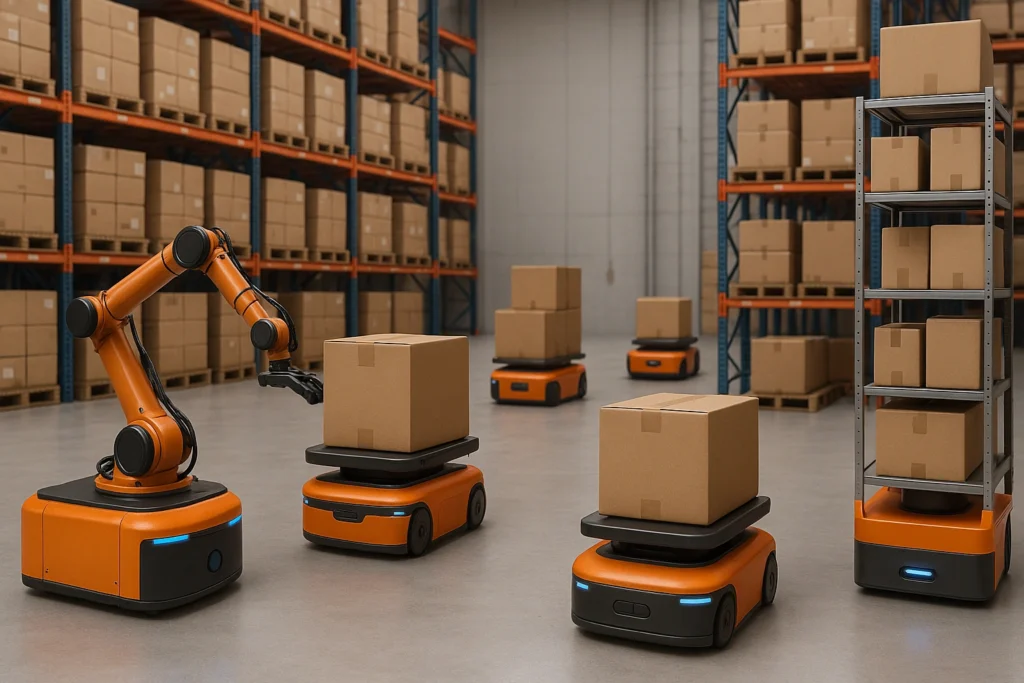
Robotics does not operate in isolation. It must integrate with WMS, ERP, and order management systems. Poor technology integration creates delays and manual workarounds. Integration planning should begin early, not after robots arrive.
Confirm that:
- Your WMS supports robotics integration
- APIs are available and documented
- Real-time data exchange is possible
Step 5: Analyze Workforce Readiness
AI changes roles, not just tools. Robotics success depends on collaboration. Workers who trust the system help it succeed. Those who fear it will work against it, often unintentionally. Resistance from staff is a common reason automation fails.
Ask:
- Do employees understand why automation is being introduced?
- Are supervisors trained to manage hybrid human-robot teams?
- Is there a plan for upskilling rather than replacement?
Step 6: Define Clear Automation Goals
Many warehouses deploy robots without clear objectives. This leads to disappointment. Clear KPIs allow teams to evaluate success realistically. Without goals, even a functioning AI system may be labeled a failure.
Set measurable goals such as:
- Reducing pick errors by a defined percentage
- Increasing picks per hour
- Lowering labor dependency during peak periods
Step 7: Understand Process Variability
High variability complicates automation. Custom orders, frequent exceptions, and unpredictable demand patterns increase system complexity.
Map out:
- Order profiles
- SKU velocity distribution
- Seasonal fluctuations
Some processes may need partial automation first. Full autonomy comes later. Gradual adoption improves long-term success.
Step 8: Prepare Safety and Compliance Frameworks
AI introduces new safety considerations. Robots move fast and operate continuously.
Ensure:
- Safety protocols are updated for robotic environments
- Emergency stop systems are accessible
- Compliance standards are met
Safety planning builds trust among workers and prevents operational shutdowns. It should be designed into the system, not added later.
Step 9: Plan for Maintenance and Support
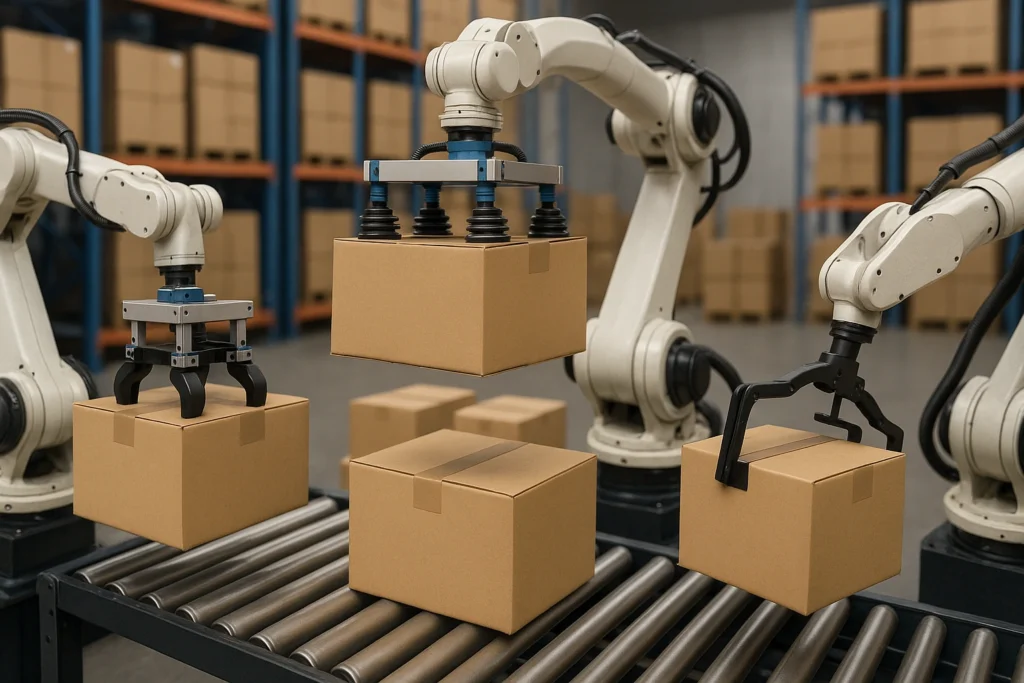
Robots require ongoing care. Downtime increases if maintenance planning is ignored.
Readiness includes:
- Defined maintenance schedules
- Spare parts availability
- Internal or external support contracts
Predictive maintenance capabilities improve reliability, but only if supported by trained staff and monitoring systems.
Step 10: Budget Beyond Hardware Costs
Robotics budgets often underestimate total cost. A realistic financial plan prevents mid-project halts and builds confidence among stakeholders.
Account for:
- Software licenses
- Integration work
- Training programs
- Layout modifications
Step 11: Start with Pilot Projects
Large-scale deployment without testing is risky.
Pilot programs allow:
- Performance validation
- Staff feedback
- System tuning
A controlled rollout identifies issues early and builds internal champions for wider adoption.
Common Mistakes That Delay Robotics Success
Many warehouses repeat the same errors:
- Automating unstable processes
- Ignoring change management
- Underestimating data preparation
- Treating AI as a one-time install
Avoiding these mistakes accelerates ROI and long-term system reliability.
Conclusion
AI and robotics can transform warehouse performance, but only when foundations are strong. Readiness determines results. By following a structured robotics implementation checklist, warehouses can avoid costly mistakes and unlock real value from automation.
Success is not about buying smarter machines. It is about preparing smarter operations.
FAQ: AI Robotics
Can small warehouses adopt AI robotics successfully?
Yes, if processes are stable and goals are clear. Scale matters less than readiness.
How long does preparation take before implementation?
Typically three to six months, depending on data quality and layout complexity.
Is robotics adoption disruptive to operations?
It can be poorly planned. Phased rollouts minimize disruption.
What is the biggest predictor of robotics success?
Process discipline. Technology follows process, not the other way around.