
Understanding the Meaning and Purpose of Warehouse Robots

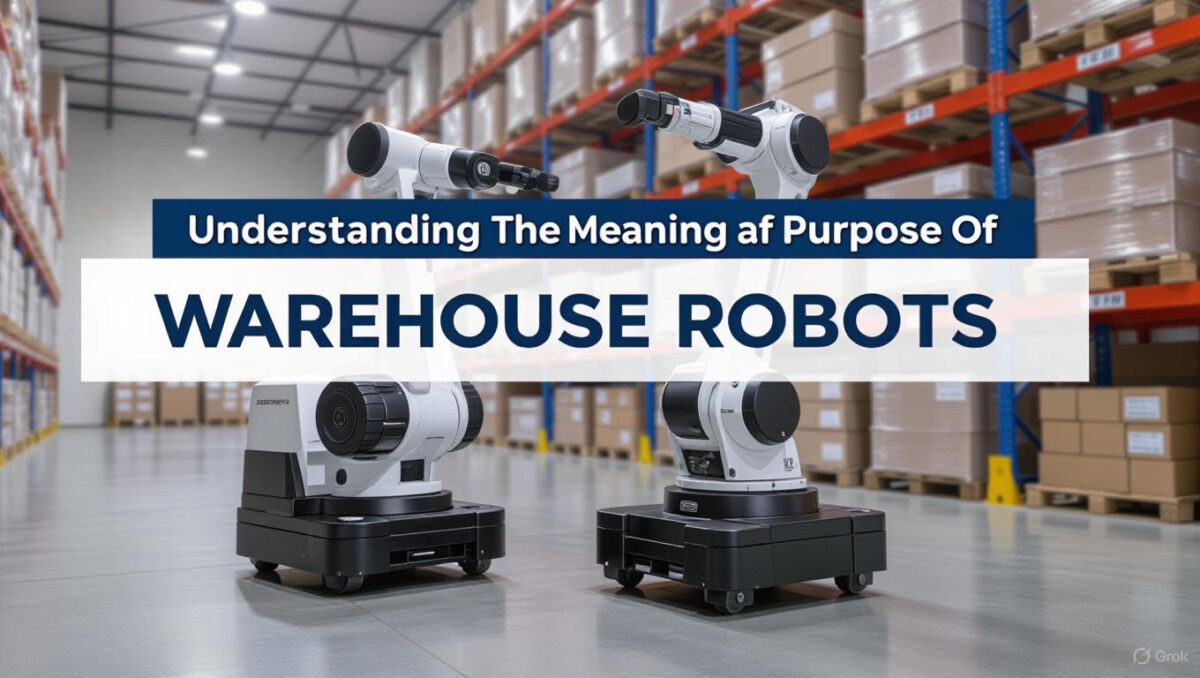
Introduction
The use of robots in warehouses has become a cornerstone of modern logistics, transforming how goods are stored, sorted, and transported. But what exactly are warehouse robots, and how are they revolutionizing warehouse operations? In this blog, we will explore the meaning and purpose of warehouse robots and discuss their growing role in industries worldwide.
From Amazon robots warehouse to cutting-edge robotic warehouse systems, robots are enhancing the speed, accuracy, and efficiency of warehouse tasks. Whether it’s picking, sorting, or transporting, warehouse robots are reshaping logistics as we know it.
What Are Warehouse Robots?
1. Defining Warehouse Robots (仓库机器人意思)
In simple terms, warehouse robots (仓库机器人意思) are autonomous or semi-autonomous machines designed to perform specific tasks within a warehouse or distribution center. These robots are equipped with sensors, cameras, and AI-powered algorithms, allowing them to navigate the warehouse, pick items, and interact with other systems. Unlike traditional automated systems that rely on fixed paths, warehouse robots can navigate freely and adapt to changes in the environment.
Warehouse robots can be used for a variety of purposes:
- Picking items from shelves and bins.
- Sorting products by type, size, or weight.
- Transporting goods to different parts of the warehouse.
These robots are built to work alongside human employees, improving the speed and accuracy of operations while reducing human error and physical strain.
Benefits:
- Enhanced accuracy in order fulfillment and inventory management.
- Improved efficiency with faster sorting and picking processes.
- Reduced physical strain on human workers by automating repetitive tasks.
How Warehouse Robots Are Transforming Operations
2. The Role of Robots in Warehouse Operations
The role of robots in warehouses is expanding rapidly as industries seek to improve operational efficiency and reduce costs. Warehouse robots are designed to automate routine tasks such as picking, sorting, and packing products, allowing human workers to focus on more complex tasks, such as quality control or customer service.
For example, warehouse robot picking is one of the most common applications in modern fulfillment centers. Robots are programmed to identify and retrieve specific items from shelves based on order requirements. These robots use vision systems and RFID technology to find and accurately pick items, ensuring a faster and more reliable picking process.
Benefits:
- Faster order picking and improved throughput.
- Reduced human error in picking and sorting.
- Higher productivity with robots handling repetitive tasks.
3. Amazon Warehouse Robots: A Leading Example
One of the most prominent examples of warehouse robots in action is Amazon Robotics, formerly known as Kiva Systems. Amazon employs robots in Amazon warehouses to automate the picking, packing, and sorting of products. Amazon robots work alongside human employees, fetching shelves of products and delivering them to workers who pick the required items.
This integration of robotic warehouse systems in Amazon’s fulfillment centers has revolutionized its ability to handle large volumes of orders efficiently. Amazon robots warehouse are capable of working around the clock, reducing the time it takes to fulfill customer orders, increasing the speed of product processing, and reducing operational costs.
Benefits:
- Increased order fulfillment speed in Amazon’s global warehouses.
- Better space utilization through robot-driven systems.
- Faster inventory management and product retrieval.
The Benefits of Warehouse Robotics
4. Enhancing Operational Efficiency
One of the primary benefits of robotic warehouse systems is the ability to optimize warehouse operations. A Warehouse robot is designed to handle repetitive, time-consuming tasks at a much faster pace than humans. This increases the throughput of products in and out of the warehouse, ensuring that orders are filled more efficiently.
Robotic warehouse automation helps eliminate bottlenecks and delays in the supply chain by automating manual processes. Robots can work continuously without rest, unlike human workers, which allows businesses to meet growing demand without increasing labor costs.
Benefits:
- Higher throughput with automated tasks.
- Increased scalability as warehouse capacity grows.
- Optimized workflows for faster product movement.
5. Reducing Labor Costs
Warehouse robots help companies reduce their labor costs by automating routine tasks that would typically require human labor. With robotic systems handling tasks such as sorting, picking, and transporting, warehouses can reduce the number of employees required for manual labor, which in turn reduces labor costs.
Additionally, robotic warehouse systems can work 24/7, eliminating the need for shift-based labor and enabling warehouses to operate around the clock without incurring additional expenses.
Benefits:
- Lower labor costs due to automation.
- 24/7 operation without human constraints.
- Reduced reliance on temporary or seasonal labor.
Warehouse Robotics in Supply Chain
6. Improving Warehouse Robotics in Supply Chain Efficiency
As businesses strive to enhance their supply chain efficiency, warehouse robots are playing an increasingly critical role. The integration of robotic systems in warehouses helps businesses manage their inventory, track goods in real-time, and streamline logistics operations.
Warehouse robots enable real-time inventory updates, reducing the risk of stockouts or overstocking. This leads to better demand forecasting, improved supply chain visibility, and optimized operations. As warehouse robotics technology continues to advance, it will become even more integrated into global supply chains, helping businesses respond to changing market conditions and customer demands more efficiently.
Benefits:
- Real-time tracking and inventory management.
- Improved supply chain visibility and demand forecasting.
- Streamlined logistics for faster response times.
The Future of Warehouse Robots
7. The Role of Robotics in the Future of Warehousing
The future of warehouse robot looks promising, with continuous advancements in AI, machine learning, and robotic systems. As robotics in warehouse operations evolves, robots will become even more capable, handling a broader range of tasks and integrating seamlessly with other technologies like IoT and 5G.
In the near future, warehouse robot may be able to perform more complex tasks, such as self-maintenance and adaptive inventory management, further reducing the need for human intervention. Additionally, the rise of collaborative robots (cobots) will allow robots and humans to work side by side more effectively, boosting efficiency and safety in warehouses.
Benefits:
- AI-powered robots for smarter decision-making and adaptability.
- Greater autonomy with self-maintenance capabilities.
- Enhanced collaboration between robots and human workers.
Conclusion
Warehouse robot is changing the way logistics and supply chains function, offering businesses faster, more efficient, and cost-effective ways to handle inventory, sorting, and order fulfillment. From robotic warehouse systems to robots in Amazon warehouses, the integration of robotics in warehouse operations is paving the way for a more automated and scalable future in warehousing.
As technology continues to evolve, the role of warehouse robot will only grow, transforming the supply chain and logistics industries. Whether you’re a business looking to optimize your warehouse operations or simply curious about the future of automation, robotic warehouse systems are here to stay.
Start Implementing Warehouse Robotics Today
Interested in learning how warehouse robots can enhance your operations? Subscribe to our newsletter for insights on robotic warehouse systems, warehouse automation, and how robots in warehouses can optimize your supply chain. Or download our free guide to get started with warehouse robotics in your business today!