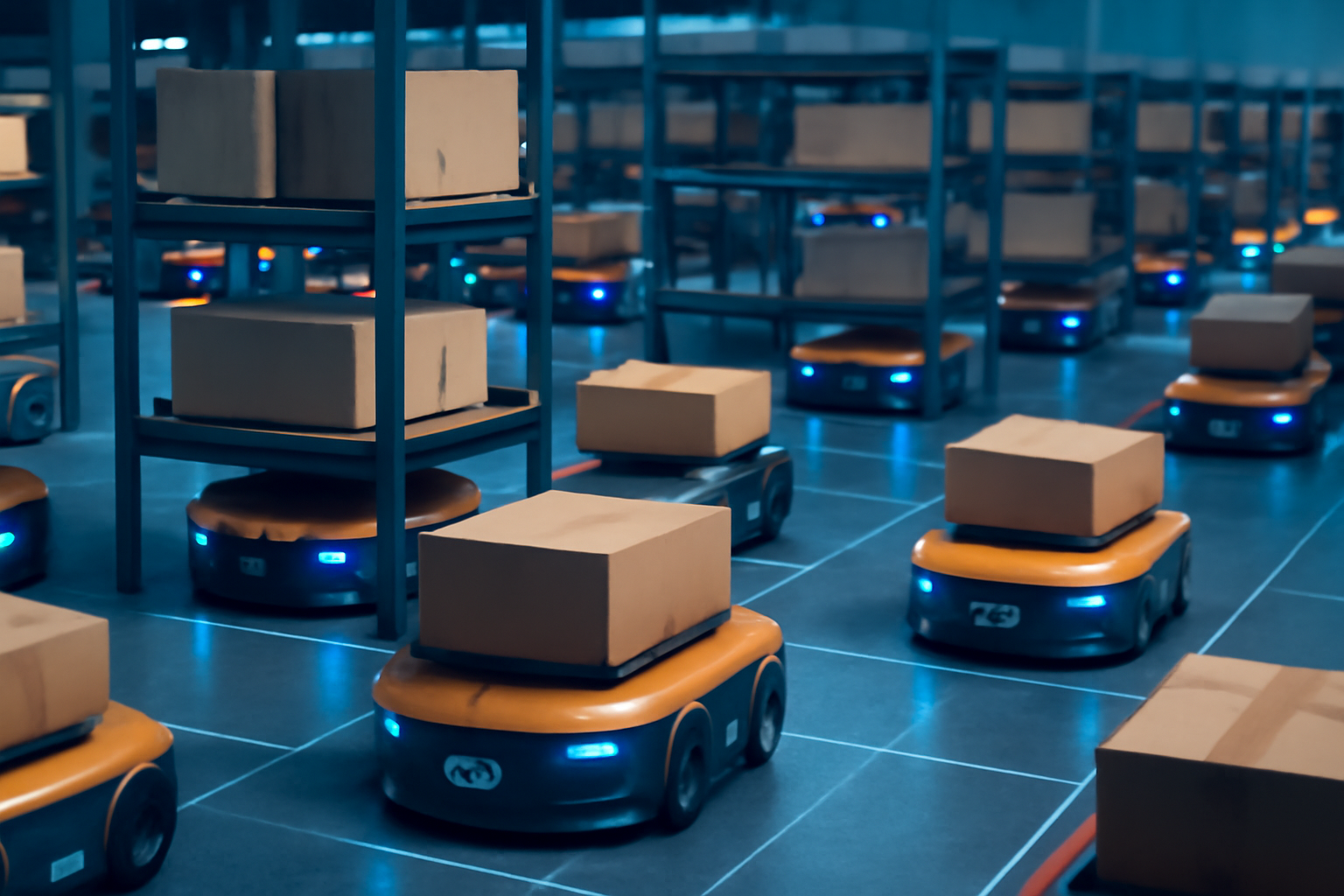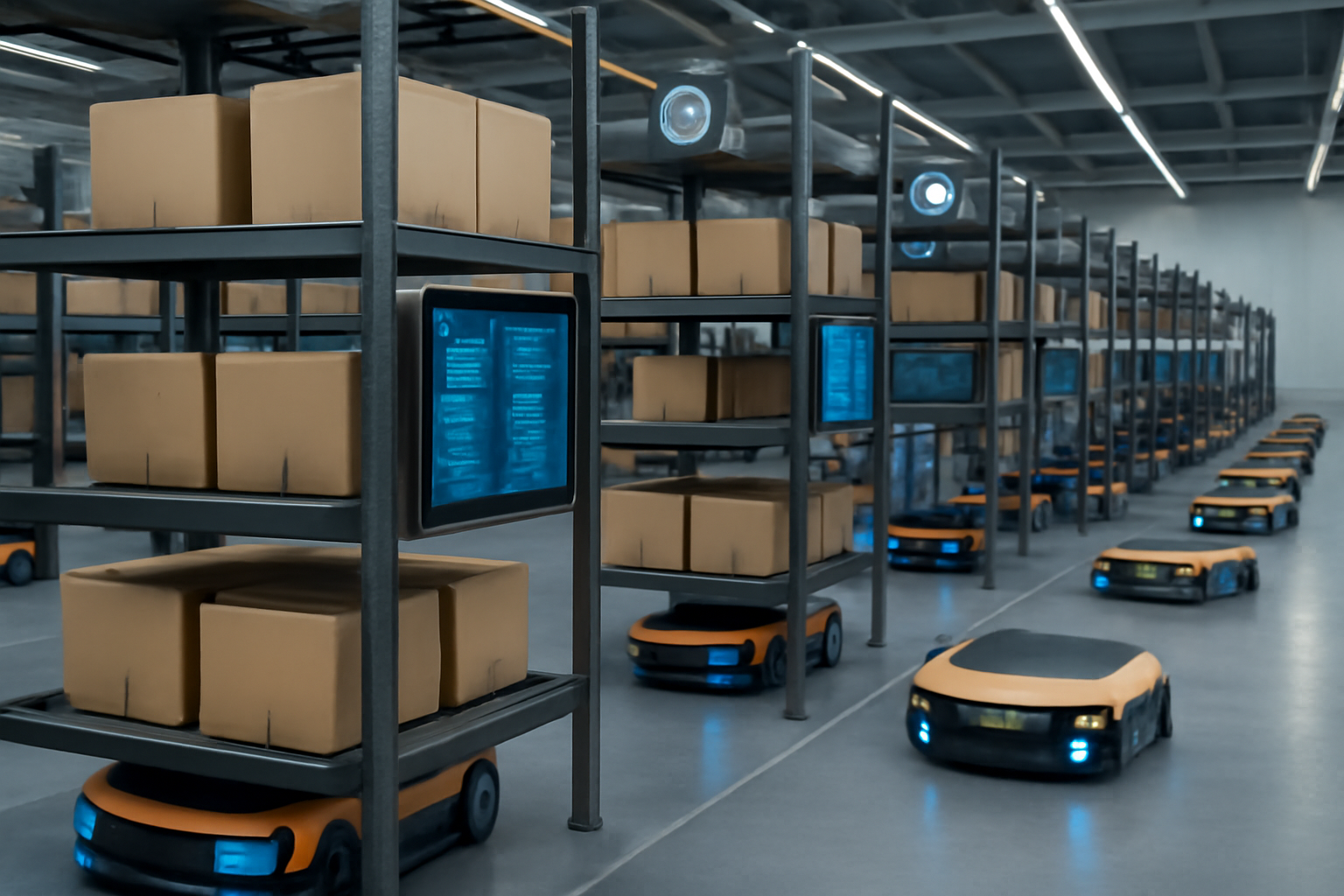
Collaborative Robots: The Key to Unlocking Peak Warehouse Efficiency

With the booming growth of eCommerce and increasingly complex supply chains, companies are desperately seeking smarter ways to boost their speed, safety, and accuracy. The answer? Collaborative robots, or cobots. 

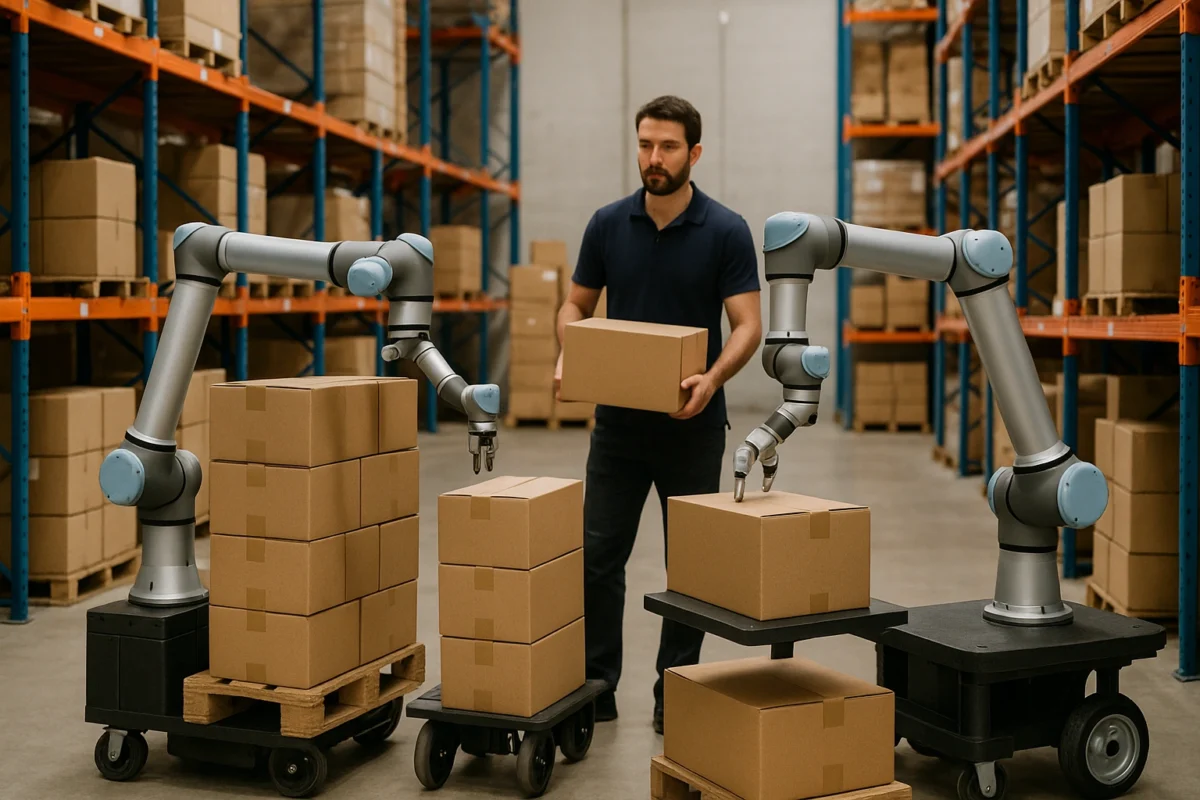
Forget the old industrial robots stuck behind cages. Cobots are specifically designed to work side-by-side with human teams. They bring shared intelligence, flexibility, and pinpoint precision to the floor, significantly boosting warehouse efficiency. They are the essential link combining human adaptability with robotic consistency and are creating the hybrid workflows that now define automated warehouse operations.

In this article, let’s explore how cobots are reshaping the logistics industry, why they’re the secret to operational excellence, and how they’re setting the standard for next-generation robotic picking systems.

What Are Collaborative Robots?

Collaborative Robots or cobots are robots engineered to collaborate with human workers in shared workspaces. They’re smaller, safer, and more adaptable than traditional industrial robots.

Equipped with advanced sensors, cameras, and AI software, cobots can detect obstacles, interpret gestures, and adjust their movements in real time. As a result, this makes them ideal for dynamic environments like warehouses, where flexibility and human coordination are key.

Unlike large fixed robots that require safety cages, cobots operate safely alongside people helping pick, pack, move, and sort items with precision.

In short, cobots don’t replace workers; they improve human capability.

The Science of Collaboration: How Cobots Boost Efficiency

In warehouse environments, efficiency depends on three key variables which are speed, accuracy, and safety. Cobots elevate all three simultaneously through intelligent design and data-driven interaction.

1. Seamless Human-Robot Partnership

Cobots are equipped with force and proximity sensors that allow them to recognize human presence. When a person approaches, they automatically slow down or pause ensuring safe collaboration.

This synergy enables shared tasks like:

  • Handing over items for packing or inspection
  • Coordinating picking and sorting sequences
  • Automating repetitive lifting or stacking operations

Humans handle complex decision-making, while cobots manage precision and endurance-heavy tasks. The result is faster throughput with fewer errors and injuries.

2. Real-Time Adaptability

Traditional automation follows rigid programming. Cobots, however, can learn from data and adapt to changing workflows. Using machine vision and AI-based motion control, they respond to real-time warehouse conditions such as fluctuating demand or new item placements.

This adaptability makes cobots invaluable in dynamic fulfillment centers, where inventory layout and demand shift daily.

3. Consistency Without Burnout

While human performance fluctuates with fatigue, cobots maintain 24/7 operational precision. They don’t tire, lose focus, or skip steps. Over time, they ensure consistent cycle times and product handling accuracy which is critical for warehouse efficiency in high-volume operations.

Also See: Exploring Robotic Grasping Techniques for Optimal Inventory Handling

Cobots vs. Traditional Robots: A New Paradigm in Warehousing

FeatureTraditional RobotsCollaborative Robots (Cobots)
Work EnvironmentIsolated from humansShares workspace with humans
FlexibilityFixed tasks and layoutsAdaptable to multiple workflows
SafetyRequires cages and barriersSafe with built-in sensors
ProgrammingComplex codingIntuitive or AI-driven learning
Setup CostHigh (custom infrastructure)Lower, faster deployment
Ideal Use CaseMass manufacturingDynamic warehouses and fulfillment

Cobots represent the shift from rigid automation to collaborative intelligence where machines that think, adjust, and assist in real time.

The Role of Cobots in Modern Warehouse Operations

what is cobots in warehousing

1. Picking and Packing

In robotic picking systems, cobots identify items using computer vision, pick them up with robotic grippers, and place them in bins or cartons. Paired with humans, they can reduce picking errors by over 50% while speeding up fulfillment times.

2. Sorting and Inventory Management

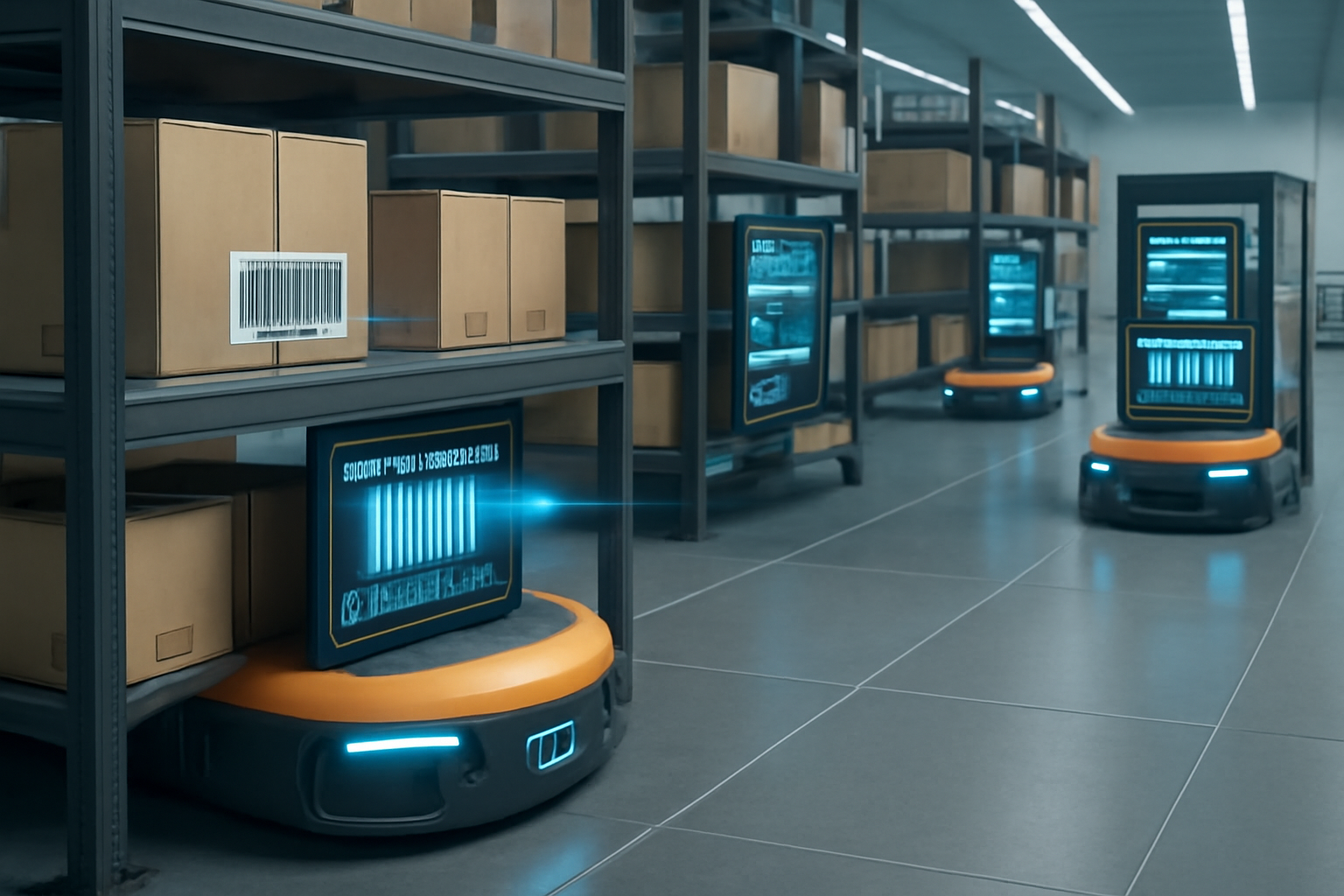
Cobots can scan barcodes, weigh products, and place them in appropriate categories improving inventory accuracy and traceability. Combined with warehouse management systems (WMS), they can autonomously navigate shelves and update stock in real time.

3. Heavy Lifting Assistance

Workers no longer need to strain themselves lifting heavy boxes or pallets. Cobots handle repetitive or physically demanding tasks, minimizing injury risks and improving worker morale.

4. Quality Control

With integrated sensors and cameras, cobots inspect items for defects, verifying packaging and labeling accuracy. Their precision enhances quality assurance in environments where mistakes can be costly.

Benefits of Collaborative Robots in Warehousing

When deployed effectively, cobots create a harmonious balance between human intuition and robotic precision. Benefits include:

Higher Throughput: Human-cobot teams complete tasks faster and more accurately than humans or robots alone.

Reduced Downtime: Cobots can work around the clock, maintaining continuous production even during off-hours.

Improved Safety: Advanced sensors prevent collisions, protecting workers from harm.

Cost Efficiency: Lower setup and maintenance costs than traditional automation systems.

Scalability: Cobots can be easily added, removed, or reprogrammed as business needs evolve.

Employee Empowerment: Workers focus on supervision, quality, and creative problem-solving while cobots handle repetitive work.

Overcoming Challenges in Cobot Implementation

While cobots offer immense potential, businesses must address a few challenges for successful integration:

Change Management: Workers may initially fear replacement. Transparent communication and training are key to promoting collaboration.

Integration Costs: Though affordable, cobots still require software, sensors, and process redesigns to function optimally.

Technical Expertise: Maintenance teams need basic understanding of robotic software and safety protocols.

Workflow Optimization: Not every task benefits from automation identifying high-impact processes ensures best ROI.

Companies that overcome these hurdles often experience rapid performance boosts and cultural acceptance of human-robot partnerships.

The Future of Cobots in Warehouse Automation
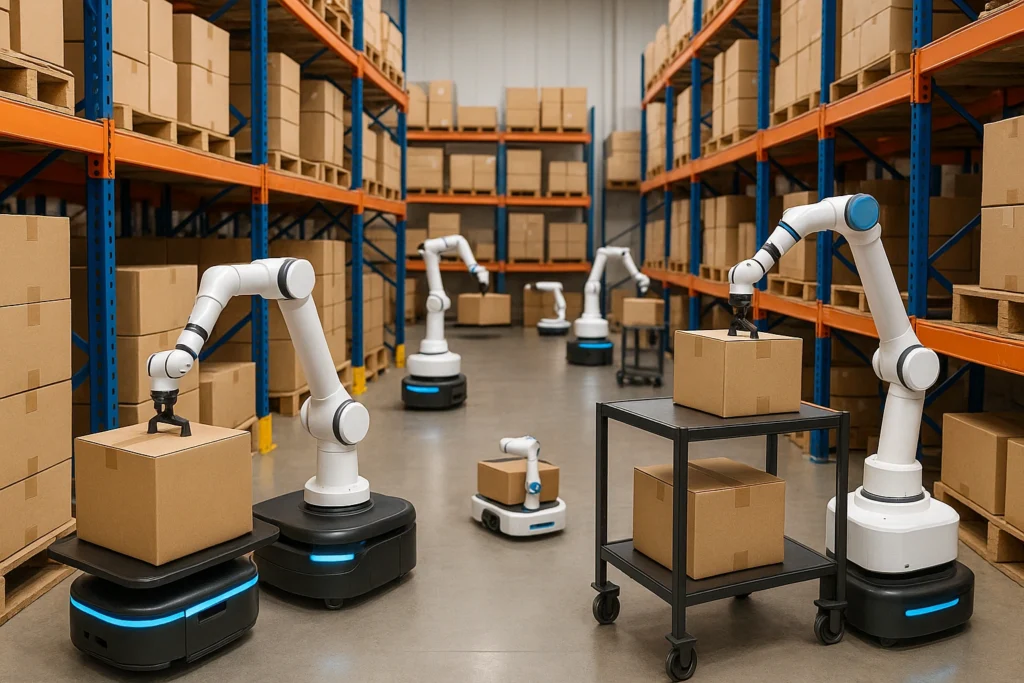
what is human-robot partnership

The next wave of cobot technology will be defined by AI-driven learning, autonomous coordination, and data connectivity.

Future trends include:

  • Swarm Collaboration: Groups of cobots communicating wirelessly to perform synchronized warehouse tasks.
  • Predictive Maintenance: Using AI to detect hardware wear and prevent downtime.
  • Cloud-Based Robotics: Centralized systems managing fleets of cobots across multiple facilities.
  • Enhanced Mobility: Cobots equipped with wheels and arms for hybrid movement and manipulation tasks.
  • Human Gesture Recognition: Interpreting worker signals for seamless task delegation.

FAQ: Collaborative Robots

What makes cobots different from industrial robots?

Cobots are designed for collaboration, with safety features that allow them to work near humans. Industrial robots are isolated and perform repetitive tasks without human interaction.

Are cobots safe for warehouse workers?

Yes. They’re equipped with sensors, cameras, and real-time feedback systems that prevent collisions and injuries.

How do cobots improve warehouse efficiency?

Cobots handle repetitive, labor-intensive tasks, allowing human workers to focus on value-driven roles like supervision, quality control, and decision-making.

Do cobots require programming skills?

Not necessarily. Many modern cobots feature drag-and-drop interfaces or AI-assisted learning, making setup simple even for non-engineers.

What is the ROI of cobot adoption?

Most companies report ROI within 12–24 months due to increased throughput, lower labor costs, and reduced workplace injuries.

Conclusion

Collaborative robots are changing how we think about productivity in the modern warehouse. They represent a powerful partnership, seamlessly blending the irreplaceable intelligence and adaptability of humans with the consistency and tireless precision of a robot. This unique combination offers levels of accuracy, safety, and scalability that are simply beyond the reach of older, traditional automation systems. 

Importantly, this isn’t about replacing people, it’s about redefining the human role and unlocking greater potential within the existing workforce. As our warehouses transition into smarter, more responsive environments, cobots in warehousing are the engine of this change. They are the quiet force driving massive gains in efficiency, making work easier for the whole team, and actively reshaping the future of logistics.

Cobots vs Robots: What’s Shaping the Future of Work?


Introduction

Robots in factories used to mean big machines in cages, doing repetitive tasks far away from humans. But now, a new type of robot is quietly redefining automation: the cobot.

Short for collaborative robot, cobots aren’t just efficient, they’re built to work with people, not replace them. They’re smaller, smarter, safer, and often more affordable than traditional industrial robots.

So here’s the big question: Are cobots the future, or just a niche tool in a growing robotics landscape?

Let’s break down the differences, strengths, and trade-offs between cobots and traditional robots. Whether you’re in manufacturing, logistics, or research, knowing which one fits your workflow could change how you think about automation entirely.


What Are Traditional Robots?

Traditional robots are what most people picture when they think of factory automation. They’ve been around for decades and usually have these traits:

  • Large and fast
  • Built for repetitive, high-volume tasks
  • Often fenced off for safety
  • Controlled via pre-programmed routines
  • Used in automotive, electronics, and heavy manufacturing

These machines excel at consistency and speed. But they also require a lot of upfront investment, space, and supervision.

ALSO READ


What Makes Cobots Different?

Cobots, on the other hand, are designed to work safely alongside humans. Their defining features include:

  • Built-in sensors and force limits to avoid injuries
  • Compact design
  • Easy to program (often with drag-and-drop interfaces or hand-guided training)
  • Ideal for tasks that require human-robot collaboration
  • Suited for small and medium-sized businesses (SMBs)

Instead of replacing workers, cobots help them. Think of them as robotic assistants rather than automated replacements.


Cobots vs Traditional Robots: Side-by-Side Comparison

FeatureCobotsTraditional Robots
SpeedModerateVery fast
SafetyBuilt for human interactionRequires fencing and isolation
ProgrammingIntuitive, low-codeComplex, often requires experts
FlexibilityHighly adaptableDesigned for fixed tasks
CostLower upfront costHigh installation and setup cost
ApplicationsAssembly, packaging, inspectionWelding, painting, machining
Ideal ForSmall-medium businessesLarge-scale industrial settings

Where Cobots Win

✅ Ease of Deployment

Cobots can be set up in days, not months. You don’t need a team of robotics engineers to get started.

✅ Agile Manufacturing

In industries where product lines change often, cobots offer quick reprogramming and redeployment.

✅ Worker Support, Not Replacement

Cobots handle tasks like screwdriving, box lifting, or repetitive inspections, freeing up humans for higher-value work.

✅ Lower Cost Barrier

Many cobots cost under $50,000, making them accessible to smaller firms looking to automate without major restructuring.


Where Traditional Robots Still Dominate

⚙ Speed and Power

Traditional robots can move faster and handle heavier payloads. In car manufacturing or large-scale electronics, they’re still essential.

🏭 High-Volume Consistency

If your operation involves thousands of identical tasks per hour, traditional robots are unmatched.

🔧 Specialized Tasks

Robotic welding, laser cutting, or precision machining require the force and precision of industrial-grade arms.


Safety: A Key Differentiator

Cobots are inherently safe. That’s their core design principle. They include:

  • Force feedback to stop motion if contact is made
  • Vision systems to detect nearby humans
  • Speed and power limits based on risk assessment

Traditional robots, on the other hand, are often fast enough to cause serious injury. That’s why they operate in fenced-off areas with strict safety protocols.

Still, safety isn’t automatic. Cobots must undergo risk assessments too. But the built-in protections give them a major edge in mixed environments.


Industry Use Cases: Cobots in Action

🏭 Manufacturing

Small factories use cobots for pick-and-place, screwdriving, and component testing.

📦 Logistics

Cobots assist with sorting packages, scanning barcodes, and loading goods on conveyors.

💊 Pharma and MedTech

In cleanrooms, cobots handle repetitive lab tasks, reducing human contamination risks.

🍴 Food & Beverage

Cobots decorate cakes, sort produce, and package goods with speed and hygiene compliance.


So, Which One Should You Choose?

It depends on your needs.

  • If you’re a large-scale manufacturer with strict speed and precision requirements, traditional robots still make sense.
  • But if you want flexible automation that works with your team, cobots offer huge value.

In many cases, a hybrid setup, using both types, gives you the best of both worlds.


The Bigger Picture: Robots as Coworkers, Not Replacements

Cobots are part of a broader shift in how we think about machines. The goal isn’t to push humans out. It’s to build smarter workflows where robots assist, augment, and collaborate.

As labor shortages rise and production gets more personalized, companies that can integrate collaborative tech will gain speed and agility.

The future of work? It’s not robot vs human. It’s robot with human.


    FAQs

    1. What’s the main difference between cobots and traditional robots?
    Cobots are designed to work with humans safely and flexibly. Traditional robots are faster and stronger but require isolated workspaces.

    2. Are cobots safe to use in public or open environments?
    Yes, most cobots are built with safety sensors and force limits. However, each deployment still requires a risk assessment.

    3. Can cobots replace workers?
    They’re more likely to assist than replace. Cobots handle repetitive or strenuous tasks, allowing humans to focus on creative or supervisory roles.


    Call to Action

    Ready to bring collaboration into automation?
    Explore cobot options and see how your team can work with robots, not around them. The future of work is closer, and more collaborative, than you think.


    Keywords (comma-separated)

    cobots vs robots, collaborative robots, industrial automation, future of robotics, traditional robot comparison, cobot safety, cobot use cases, robotics in manufacturing, cobot vs industrial robot, human robot collaboration, robot coworker

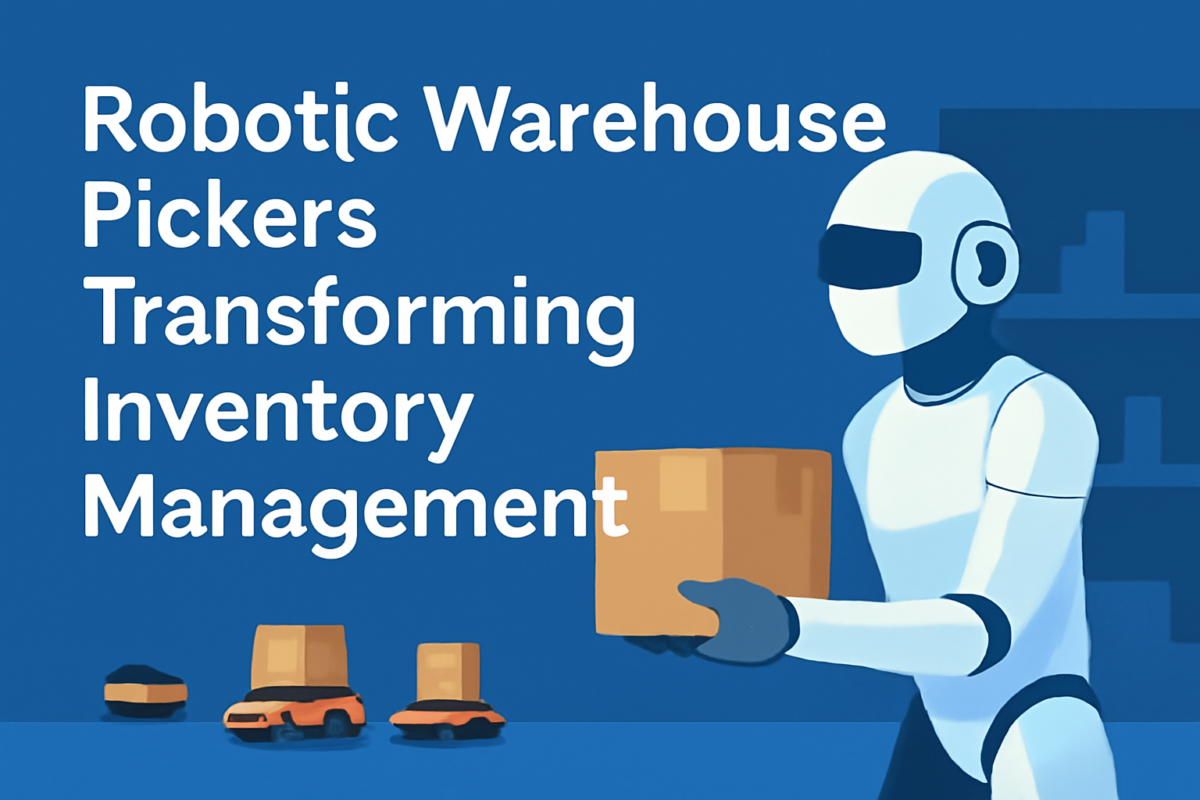
    Robotic Warehouse Pickers Transforming Inventory Management

    Introduction

    Modern warehouses are experiencing a technological shift. Gone are the days of manual inventory tracking and inefficient fulfillment. Enter the robotic warehouse picker, an innovation in inventory management robotics that blends AI, automation, and logistics to streamline operations. These smart machines are at the core of the new wave of automated warehouse technology, enabling faster, more accurate, and scalable inventory systems.

    In this blog, we’ll explore how robotic warehouse pickers are transforming inventory control, boosting warehouse productivity, and redefining robotics in logistics.


    The Evolution of Robotic Warehouse Pickers

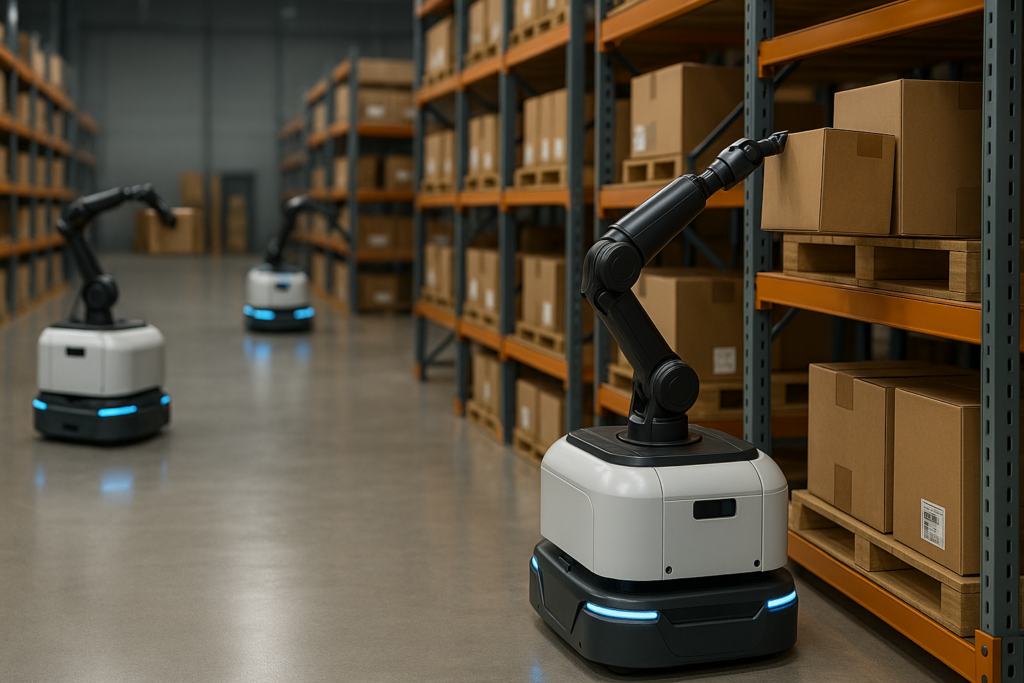
    A robotic warehouse picker is an autonomous machine designed to locate, pick, and transport items across a warehouse. Unlike traditional conveyor-based systems, these mobile robots operate independently using advanced sensors, AI algorithms, and real-time data.

    • Driven by AI and sensor fusion
    • Navigate dynamically using SLAM and machine vision
    • Improve robot picking accuracy over time

    What sets robotic pickers apart is their ability to adapt. Whether it’s a shift in SKU location or an unexpected obstacle, these bots recalibrate on the fly. This makes them ideal for dynamic warehouse environments where change is constant.

    ALSO READ: Listen Up: Here’s How to Stop Your Warehouse Wasting Your Money

    Autonomous robots picking products in a warehouse
    Autonomous robots picking products in a warehouse

    Benefits of Inventory Management Robotics

    Deploying inventory management robotics provides significant advantages:

    • Increased accuracy in picking and stock updates
    • Real-time inventory visibility across zones
    • Reduced labor costs and human error
    • Enhanced warehouse productivity through 24/7 operations

    These robots are integrated with AI warehouse systems that update stock levels as items are picked, packed, and shipped. This reduces stockouts, overstocking, and operational delays, ultimately boosting customer satisfaction.

    In addition, robotic systems ensure that high-value or sensitive goods are handled with precision, significantly reducing damage and loss.


    The Role of AI in Warehouse Automation

    At the heart of these robots lies AI warehouse systems. These systems enable:

    • Predictive stocking and restocking
    • Demand forecasting
    • Route and load optimization
    • Inventory cycle automation

    With AI, warehouse automation shifts from reactive to proactive. Robots equipped with AI can predict when stock will run low, autonomously reorder, and optimize item placement for future efficiency.

    For example, if a certain SKU becomes a top-seller, the AI system can reassign it to a more accessible zone and alert the robotic pickers. This constant feedback loop drives continuous improvement.

    Image Prompt: AI-powered warehouse dashboard showing live robot activity, SKU heat maps, and predictive inventory analytics


    Logistics Robots and Real-Time Fleet Coordination

    Managing multiple logistics robots requires intelligent coordination. Modern systems employ centralized platforms that provide:

    • Task balancing among pickers
    • Collision avoidance and navigation
    • Monitoring of robot health and charge levels

    These platforms enable warehouse automation on a fleet level. Managers can scale operations by simply adding new robots without extensive reconfiguration. The system auto-balances workloads and prevents downtime by directing robots to charge proactively.

    As warehouses grow in complexity, logistics robots also support integration with ERP and WMS system, ensuring synchronized data flow across departments.


    Optimizing Inventory with Robotics in Logistics

    One of the most significant impacts of robotics in logistics is on inventory optimization. Robotics contributes to:

    • SKU-level tracking and reporting
    • Automated cycle counting
    • Smart zone replenishment
    • Faster stock audits

    By using robots for inventory checks, warehouses can move from periodic to continuous auditing. This minimizes discrepancies and ensures a more agile and responsive supply chain.

    Robots scanning and tracking SKU’s
    Robots scanning and tracking SKU’s

    Robot Picking Accuracy and Enhanced Warehouse Productivity

    Precision is a hallmark of modern robotic systems. High robot picking accuracy is achieved through:

    • 3D cameras and object recognition
    • AI-based grip and weight analysis
    • Adaptive learning from picking history

    As accuracy improves, so does warehouse productivity. Fewer errors mean fewer returns, less rework, and faster order fulfillment. Warehouses can confidently handle high volumes without sacrificing quality.

    Whether picking delicate pharmaceutical items or bulky consumer goods, robotic systems are trained to adjust their handling approach, ensuring consistent performance at scale.


    Frequently Asked Questions

    What is a robotic warehouse picker?

    A robotic warehouse picker is an autonomous robot that locates, retrieves, and delivers inventory items using AI, sensors, and mobile navigation within a warehouse setting.

    How do robotic pickers improve inventory management?

    They reduce errors, offer real-time inventory updates, and improve picking speed, leading to more accurate and efficient stock control.

    Are these robots suitable for all types of warehouses?

    Yes, modern robotic pickers can be customized for various warehouse layouts, inventory types, and order volumes, from small startups to large-scale 3PLs.

    What technologies power robotic warehouse pickers?

    AI algorithms, 3D vision, LiDAR, SLAM (Simultaneous Localization and Mapping), and fleet management software power modern robotic picking systems.

    Can robotic pickers scale with business growth?

    Absolutely. These systems are modular, allowing businesses to add more robots as demand grows, without overhauling infrastructure.


    Conclusion: The Robotic Picker Advantage

    The future of warehouse operations is automated, intelligent, and resilient. Robotic warehouse pickers are a central part of this evolution, delivering unmatched efficiency, precision, and scalability.

    From inventory accuracy to operational agility, these robots redefine how we manage modern logistics. With continued advances in automated warehouse technology, early adopters are already witnessing fewer errors, faster deliveries, and stronger bottom lines.

    Whether you’re optimizing an e-commerce hub or a manufacturing warehouse, robotic pickers offer a smart path to competitive advantage.


    Future-Proof Your Inventory Operations

    Leverage the power of robotic warehouse pickers and transform your logistics with intelligent, AI-driven automation.
    Talk to our automation experts to find the right solution for your warehouse needs.

    Swarm Robotics: The Future of Warehouse Picking


    Introduction

    Modern warehouses are undergoing a quiet but radical transformation. Gone are the days of human-only pickers navigating aisles with paper lists. Enter swarm robotics, a groundbreaking leap in warehouse automation where fleets of intelligent bots coordinate seamlessly to pick, sort, and deliver goods. By mimicking behaviors from nature, especially swarm intelligence seen in ants and bees, these robotic fleets are revolutionizing logistics.

    In this blog, we’ll explore how swarm robotics is being applied to robot picking systems, its impact on AI logistics, and why it’s the future of smart warehouse tech.

    ALSO READ: Listen Up: Here’s How to Stop Your Warehouse Wasting Your Money


    The Rise of Swarm Robotics in Warehouse Automation

    Swarm robotics involves decentralized control where multiple robots collaborate based on local interactions, not centralized commands. This approach enhances flexibility, scalability, and fault tolerance, crucial for warehouse automation environments.

    • Inspired by biological swarms (ants, bees)
    • No central brain, each robot operates semi-independently
    • Ideal for dynamic environments like warehouses

    Swarm robotics isn’t a niche idea, it’s a logical evolution of automation, moving from monolithic systems to self-organizing, adaptive networks of autonomous agents. In a traditional setup, a central system dictates movement, but in a swarm setup, bots react in real-time to changes, optimizing performance without external commands.

    Swarm Robotics across Warehouses
    Swarm Robotics across Warehouses

    Advantages of Swarm Robotics Over Traditional Robot Picking Systems

    Conventional robot picking systems rely on centralized software and fixed paths. This limits adaptability. Swarm robotics offers:

    • Dynamic path planning based on real-time data
    • Redundancy, if one robot fails, others adapt
    • Speed and accuracy through multi-bot coordination
    • Reduced congestion via distributed decision-making

    These benefits significantly enhance autonomous warehouse bots performance. Unlike traditional systems that bottleneck under stress or failure, swarm bots maintain operational flow even in disruptive scenarios. This makes them ideal for high-demand scenarios like seasonal spikes in e-commerce.

    Furthermore, swarm bots do not need fixed routes or expensive infrastructure like conveyor belts or robotic arms. They simply require navigable floors, real-time mapping, and swarm coordination software, reducing initial setup and maintenance costs.


    AI Logistics Meets Collaborative Robots

    Swarm systems are powered by AI logistics platforms that handle:

    • Predictive maintenance
    • Inventory allocation
    • Route optimization
    • Real-time load balancing

    These collaborative robots aren’t just mindless machines, they learn from each other and improve over time, enabling adaptive behaviors that traditional bots can’t achieve. In complex warehouse environments, where SKUs vary widely, this learning ability ensures efficiency and precision.

    AI logistics systems analyze data from multiple robots to detect patterns. For example, if a particular route consistently leads to delays, the system redirects traffic automatically. Or if one robot’s performance drops, the system can proactively assign its tasks elsewhere. This level of intelligent orchestration would be impossible with legacy systems.

    Image Prompt: AI logistics dashboard showing real-time paths of multiple autonomous robots inside a warehouse, with graphs, heat maps, and live metrics visualized


    Robot Fleet Management for Dynamic Warehousing

    Managing a swarm is complex. That’s where robot fleet management software comes in. It ensures:

    • Balanced task distribution
    • Collision avoidance
    • Fleet-level health monitoring
    • Power and charging coordination

    Robotic logistics software enables a command center view without dictating every move. The software monitors robot health, battery levels, and performance metrics, then adjusts job assignments accordingly. Some systems even include simulation tools that allow warehouse managers to test workflows before deployment.

    With multiple robot models often coexisting (e.g., different payload capacities), robot fleet management tools must support heterogeneous swarms. Advanced platforms offer integration with warehouse management systems (WMS) and enterprise resource planning (ERP) tools, ensuring seamless data flow from order intake to fulfillment.


    Smart Warehouse Tech: A Modular and Scalable Future

    Swarm robotics fits perfectly with smart warehouse tech:

    • Modular layouts with robotic zones
    • IoT-integrated inventory bins
    • Real-time restocking alerts
    • Seamless ERP/WMS integration

    This synergy allows warehouses to evolve rapidly. For instance, a warehouse can start with a 20-robot swarm and scale up to 200+ bots without major overhauls. The system automatically redistributes tasks, optimizing for space, workload, and efficiency.

    Smart warehouse tech also includes embedded sensors in shelves and bins. These sensors communicate inventory status in real-time, prompting swarm bots to act when stock is low or misplaced. This creates a self-healing, self-optimizing environment where human intervention is minimal.

    Warehouses with Swarms and IOT Integrated Modular Racks
    Warehouses with Swarms and IOT Integrated Modular Racks

    AI Picking Solutions: The Next Frontier

    The latest in AI picking solutions integrates:

    • 3D vision with robotic arms
    • Semantic understanding of SKU data
    • On-the-fly path recalculation
    • AI-generated picking priorities

    This blend of hardware and intelligence makes swarm-based systems not just fast, but strategically smart. AI enables the system to prioritize high-demand items, minimize travel time, and learn from past mistakes. In peak seasons, the system can pre-emptively organize inventory zones for efficiency.

    Imagine bots that don’t just follow orders, but understand context. For example, a robot might prioritize urgent orders or reroute due to temporary obstacles. That’s the power of AI-enhanced swarm robotics.


    Frequently Asked Questions

    What is swarm robotics in warehouse automation?

    Swarm robotics in warehouses refers to multiple autonomous robots working collaboratively using decentralized control and local interactions to handle tasks like picking, sorting, and inventory transport.

    How do swarm robotics improve robot picking systems?

    Swarm robots adapt in real-time, balance loads dynamically, and ensure system-wide fault tolerance, making robot picking faster, smarter, and more resilient.

    Are swarm robots managed centrally?

    No. Swarm robots operate using distributed intelligence. However, fleet management software provides oversight and coordination support.

    What industries benefit most from swarm robotics in logistics?

    E-commerce, manufacturing, pharmaceuticals, and third-party logistics (3PLs) benefit most from deploying swarm robotics due to high SKU counts and dynamic inventory flows.

    What is the role of AI in swarm robot picking?

    AI drives swarm learning, real-time path planning, and predictive analytics, enabling continuous optimization of warehouse operations.


    Conclusion: The Swarm Revolution Is Here

    Swarm robotics isn’t just a trend, it’s a transformative shift in how warehouses operate. With the convergence of robotic logistics software, AI picking solutions, and smart warehouse tech, the industry is poised for faster, safer, and more scalable operations. Early adopters are already reporting improved throughput, reduced labor costs, and higher customer satisfaction.

    Swarm systems bring a level of agility and intelligence that traditional automation cannot match. Whether you’re scaling a startup warehouse or optimizing a global distribution center, swarm robotics could be your key to next-gen fulfillment.


    Ready to Future-Proof Your Warehouse?

    Harness the power of swarm robotics with AI-driven solutions tailored for dynamic, high-volume environments.
    Contact our experts today to discover how collaborative bots can streamline your picking operations and boost ROI.